
 Botswana
 Zambia
 Congo
Congo Colombia
 China mainland
 Chile
Chile Chad
Chad Central African Republic
 Canada
 Cameroon
 Cambodia
 Burkina Faso
 Bulgaria
 Brunei Darussalam
 Brazil
 Aland Islands
 Bosnia and Herzegovina
 Bolivia
 Belgium
 Belarus
 Bangladesh
 Bahrain
 Azerbaijan
 Austria
 Australia
 Armenia
 Argentina
 Algeria

Picture yourself hiking through emerald rainforests where howler monkeys call overhead, lounging on pristine Pacific beaches under cloudless skies, or watching sea turtles nest by moonlight. Costa Rica, located in Central America, offers diverse ecosystems and travel opportunities, from cloud forests and mangroves to stunning beaches.
The timing of your Costa Rica adventure dramatically shapes which version of paradise you’ll experience. While this bio-diverse gem welcomes visitors year-round, understanding the country’s distinct seasons, regional microclimates, and wildlife patterns helps you plan the best time to go to Costa Rica based on your priorities—whether that’s perfect beach weather, budget savings, or exceptional wildlife encounters.
Understanding Costa Rica’s Two Main Seasons
Costa Rica doesn’t follow the traditional four-season pattern. Instead, this tropical destination operates on a two-season system that determines everything from accommodation prices to wildlife activity. The best time to visit Costa Rica largely depends on which season aligns with your travel goals.
Costa Rica’s dry season runs from December through April and delivers consistently sunny days and dry weather with minimal rainfall across most of the country. Locals call this period “verano” (summer), and it’s when you’ll find the highest concentration of tourists, particularly during the Christmas and Easter holidays.
Clear skies and abundant sunshine make this the best time to visit Costa Rica for weather-dependent activities like volcano viewing, beach days, and wildlife photography. However, peak season also brings higher prices and crowded national parks.
From May to November, Costa Rica transitions into what is known as Costa Rica’s rainy season, also referred to as Costa Rica’s wet season or the green season. During these months, frequent rain showers rejuvenate the landscape, transforming forests into explosions of vibrant greenery. The rainy season, or green season, brings lush landscapes and fewer tourists, making it an appealing option for those seeking tranquility and natural beauty.
Don’t let the term “rainy” discourage you. Rain typically arrives in predictable afternoon bursts rather than all-day downpours, leaving mornings sunny and perfect for exploration. The green season offers significant advantages: accommodation costs drop by 30-50%, crowds disappear from popular attractions, and wildlife becomes remarkably active as abundant food sources emerge.
An interesting phenomenon occurs during the green season called “veranillo” or “little summer.” This brief dry spell typically happens in July or August when rainfall temporarily decreases for several weeks, creating a pocket of excellent weather within the rainy months.
Regional Weather Variations: Not All of Costa Rica Is the Same
Costa Rica’s compact size belies its dramatic climate diversity. The country’s topography creates distinct microclimates that can vary wildly within short distances, making regional understanding crucial for trip planning.
The Pacific coast, home to popular destinations like Guanacaste, Tamarindo, and Manuel Antonio, experiences the most defined seasonal patterns. During the dry season from December to April, this region is in full swing, becoming bone-dry with temperatures soaring into the 90s°F (32-35°C).

The landscape turns golden and dusty, particularly in the northwestern provinces. Come rainy season, afternoon showers transform these areas into lush tropical forests, though the northern Pacific still receives less rainfall than other regions.
The Caribbean side follows an entirely different pattern. Unlike the Pacific side, this region receives rainfall year-round, with no true dry season. However, the Caribbean side often experiences less rain and fewer visitors during its drier period from September to November. In fact, the Caribbean Coast of Costa Rica has different rain patterns, often being drier from September to November—precisely when the Pacific coast sees its heaviest rains. This opposite pattern creates unique opportunities for savvy travelers who can enjoy Caribbean beaches with less rain and fewer visitors, while others crowd the Pacific.
The Central Valley, where San José sits at elevations between 3,000-5,000 feet, maintains mild temperatures year-round averaging 70-75°F (21-24°C). This eternal spring climate makes highland destinations comfortable regardless of season, though mornings tend to be clearer during dry season months.
Mountain regions and cloud forests like Monteverde experience cooler temperatures and frequent mist throughout the year. Rainfall remains consistent here, though dry season months offer slightly better visibility for spotting wildlife like the resplendent quetzal.
Best Time to Visit Costa Rica for Different Priorities
For Optimal Weather and Sunshine
The best time to visit Costa Rica for weather is unquestionably mid-December through April, when the dry season peaks and blue skies dominate the landscape. The months of Jan, Feb, Mar, and Apr offer clear, sunny days and dry weather, making this period optimal for travel.
January and February are considered the best months to visit Costa Rica due to the peak of the dry season and abundant wildlife. By early January, holiday crowds thin out while forests remain verdant from recent rains, creating a sweet spot of perfect weather without peak pricing. Temperatures hover comfortably in the 70s-80s°F (24-29°C), humidity stays manageable, and rainfall is minimal across most regions.
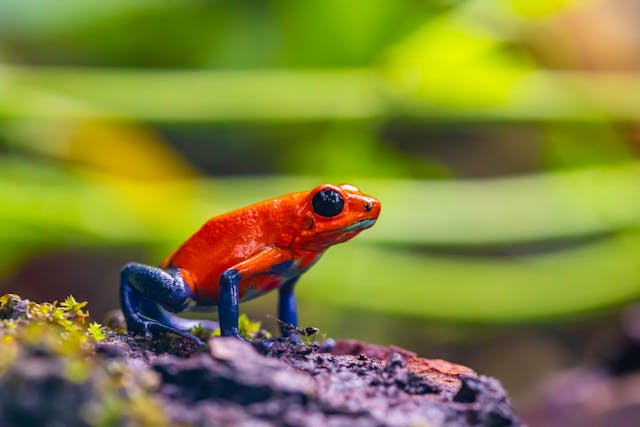
March and April extend the sunshine but bring the year’s highest temperatures, with coastal areas regularly exceeding 95°F (35°C). April marks the hottest month, which can feel oppressive for extended outdoor activities, though it’s excellent for beach enthusiasts. The dry season is ideal for surfing and beach activities due to guaranteed sunshine and lower humidity.
February deserves special mention as potentially the best month to visit Costa Rica overall. The dry season is fully established, wildlife remains abundant from mixing resident species with northern migrants, and the landscape maintains its lush appearance before the April heat arrives.
For Budget-Conscious Travelers
The cheapest time to visit Costa Rica falls during the low season, specifically from May through early November. This period is known for fewer tourists, which means less crowded attractions and a more relaxed atmosphere. Accommodation rates drop dramatically—often by 40-50%—and airlines frequently offer the best travel deals during this time.
September and October represent the absolute lowest prices of the year. These months see the heaviest rainfall and smallest tourist numbers, creating exceptional value for travelers who don’t mind afternoon showers. Traveling in September can provide the best travel deals in Costa Rica, despite it being one of the rainiest months. Hotel promotions are most aggressive during this window, with deals like “stay four nights, pay for three” commonly available.
May and November function as shoulder months offering the best balance between cost and conditions. Prices remain 20-30% lower than peak season, but weather is more favorable than mid-rainy season. May enjoys many sunny mornings before afternoon rains begin, while November sees rainfall tapering off as dry season approaches.
Budget travelers should note that July and August, despite being within the green season, don’t offer the same dramatic savings. During these months, travelers starts to increase due to North American and European summer vacations, driving up demand and keeping prices closer to high season rates.
For Wildlife Watching
Determining the best time to visit Costa Rica for wildlife depends on which species you hope to encounter. The country’s biodiversity means incredible animal sightings occur year-round, making it a prime destination for wildlife spotting in national parks and wildlife refuges. Wildlife viewing is great year-round in Costa Rica, with peak green sea turtle nesting in July and August on the Caribbean coast, offering unique opportunities for nature enthusiasts.
The green season (May-November) arguably offers the best overall wildlife watching. Abundant rainfall produces fruiting trees and water sources that attract animals into the open. Birds, monkeys, sloths, and other creatures become notably more active and visible. Photographers particularly appreciate the lush backdrops and dramatic lighting that afternoon clouds provide.
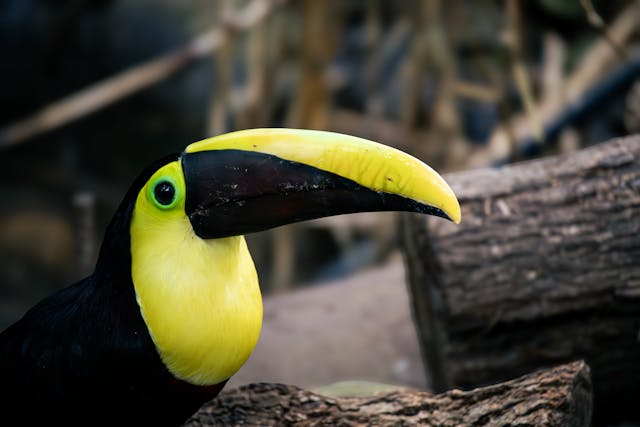
For specific wildlife experiences, timing matters significantly:
Sea turtle nesting occurs on both coasts but follows different schedules. On the Pacific, leatherback turtles nest from October through March, while olive ridley turtles stage mass arribadas (arrivals) from July through December, with August through November being peak months.
The Caribbean coast sees green and hawksbill turtles nesting from July through October, with Tortuguero National Park offering the most reliable sightings. July is a good month for families, with opportunities to see nesting green turtles in Tortuguero National Park.
February is a great month for wildlife watching, as humpback whales migrate and sea turtles nest along the Pacific coast. March offers excellent wildlife viewing opportunities, including the migration of humpback whales and nesting of leatherback turtles. April is a good month for wildlife viewing as animals congregate around diminishing water sources, making them easier to spot.
Humpback whales migrate to Costa Rican waters during two distinct periods, marking the whale watching season: Northern Pacific humpbacks arrive from December through April, while southern hemisphere whales visit from July through November.
August through October provides the best whale watching opportunities, particularly around the Osa Peninsula and Marino Ballena National Park. These months are ideal for travelers, particularly those interested in marine life and whale watching.
The resplendent quetzal, one of Costa Rica’s most sought-after bird species, is most easily spotted during its March-June breeding season in cloud forests like Monteverde and Savegre. However, dedicated birders can find quetzals year-round with experienced guides.
Migratory birds from North America flood Costa Rica from October through April, joining resident species to create exceptional birding conditions. January and February see the highest diversity of species.
For Avoiding Crowds
If escaping tourist masses ranks high on your priority list, the shoulder season in Costa Rica delivers the best experience with fewer crowds. May, June, and November offer significantly smaller crowds while maintaining reasonably good weather conditions.
September and October see the fewest visitors of any months, as this period coincides with peak rainy season. National parks feel almost private, hotels operate with minimal occupancy, and you can explore popular destinations like Manuel Antonio without jostling for position. The trade-off is increased rainfall and the possibility of road closures in remote areas.
Avoid visiting during Costa Rica’s three major crowd peaks: late December through early January (Christmas and New Year), late March through early April (Easter and spring break), and July-August (North American summer vacation). During these windows, popular beaches and attractions become mobbed with visitors, hotel availability shrinks, and prices spike dramatically.
Activities and Events Throughout the Year
Costa Rica truly shines as a year-round destination, offering an incredible variety of activities and events no matter when you choose to visit. Thanks to its diverse landscapes and microclimates, you’ll always find something exciting to do—whether you’re drawn to adventure, culture, or wildlife watching.
For outdoor enthusiasts, Costa Rica boasts world-class surfing on both the Pacific and Caribbean coasts, with consistent waves available year round. Snorkeling and scuba diving are popular in places like Cahuita and the Gulf of Papagayo, where vibrant marine life can be spotted in every season.
Hikers and nature lovers can explore lush national parks such as Arenal Volcano National Park, Tenorio Volcano National Park, and the cloud forests of Monteverde, with trails open throughout the year and each season offering its own unique scenery.
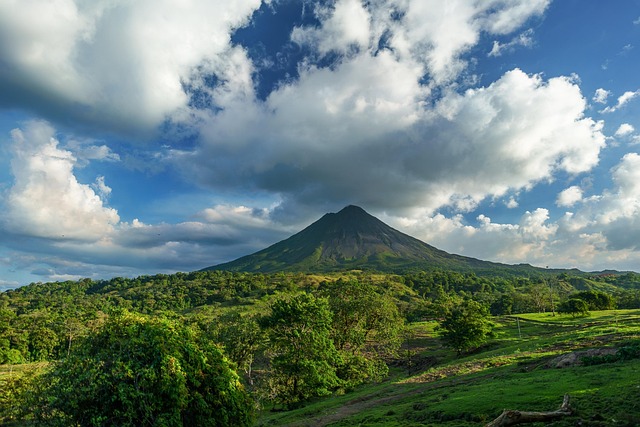
Wildlife watching is a highlight of any trip to Costa Rica, and the country’s rich biodiversity ensures unforgettable encounters no matter the month. From spotting sloths and monkeys in the rainforests to witnessing sea turtles nesting on the beaches or catching a glimpse of migratory birds, there’s always something remarkable to see. The green season brings especially lush landscapes and active wildlife, while the dry season offers easier access to remote areas and clear conditions for photography.
Cultural events and festivals add another layer of excitement to your visit. Throughout the year, Costa Rica celebrates everything from vibrant local fiestas and parades to international music and arts festivals. Highlights include the Palmares Fiestas in January, the National Orchid Show in March, and the Festival of Lights in December. These events provide a wonderful opportunity to experience Costa Rican traditions, cuisine, and hospitality firsthand.
No matter your interests or the time of year, Costa Rica’s blend of adventure, nature, and culture ensures your trip will be filled with memorable experiences. With so much to offer year round, it’s easy to see why travelers return again and again to this Central American paradise.
Making Your Decision: Which Season Is Right for You?
The best time to visit Costa Rica ultimately depends on your personal priorities, flexibility, and tolerance for trade-offs. To get the most out of your trip, consider when to visit Costa Rica based on what matters most to you—whether that’s guaranteed sunshine, fewer crowds, or budget-friendly options. If optimal beach weather is your top priority, December through April delivers reliably. You’ll pay premium prices and navigate crowds, but conditions will be consistently excellent.
Budget-conscious travelers should target the shoulder months of May and November. These windows offer the sweet spot of reasonable weather (especially sunny mornings), dramatic cost savings, and manageable crowds. You’ll experience some rain, but it rarely derails entire days.
True adventurers and wildlife enthusiasts, particularly those seeking authentic experiences and vibrant natural displays, will find that the green season rewards those willing to embrace afternoon showers. From June through October, you’ll witness Costa Rica at its most alive—rainforests explode with greenery, waterfalls thunder at full force, and animals emerge in extraordinary numbers. The country feels authentic rather than touristy, and you’ll have trails and beaches largely to yourself.
Remember that Costa Rica’s regional diversity means you can often find good weather somewhere in the country regardless of month. When the Pacific sees heavy September rains, the Caribbean coast enjoys sunshine. When the northwest bakes in April heat, cloud forests maintain comfortable temperatures.
Whatever timeframe you choose, Costa Rica delivers on its “pura vida” promise year-round. The country’s incredible biodiversity, warm hospitality, and stunning landscapes shine through in every season—you’re simply selecting which version of paradise suits you best. Plan your activities for sunny mornings during green season, book accommodations well ahead for peak season travel, and pack both sunscreen and a rain jacket regardless of when you visit. With this knowledge, you’re equipped to choose the perfect timing for your Costa Rican adventure.

Blog Author
Peter
I'm Peter, the founder of BazTel. I built this company at the intersection of two things I know well: finance and travel. Before starting BazTel, I worked in investment analytics at State Street, one of the world's largest custodian banks, and later at TCorp, the New South Wales Government's investment…


