
 Botswana
 Zambia
 Congo
Congo Colombia
 China mainland
 Chile
Chile Chad
Chad Central African Republic
 Canada
 Cameroon
 Cambodia
 Burkina Faso
 Bulgaria
 Brunei Darussalam
 Brazil
 Aland Islands
 Bosnia and Herzegovina
 Bolivia
 Belgium
 Belarus
 Bangladesh
 Bahrain
 Azerbaijan
 Austria
 Australia
 Armenia
 Argentina
 Algeria

I’ll never forget standing outside my Reykjavik guesthouse at 2 AM, staring at the sky in complete darkness. It was February, and I’d just experienced my first glimpse of the Northern Lights dancing overhead in brilliant green ribbons. Six months later, I returned in August to find the same spot bathed in golden sunlight at the exact same hour. That stark contrast taught me something crucial about Iceland: timing isn’t just important here, it’s everything.
The best time to visit Iceland depends entirely on what you want to experience. June offers the warmest weather and the magical midnight sun, making it ideal for hiking and exploring the entire country. September delivers the perfect sweet spot with Northern Lights returning, fewer crowds, and still-decent weather. Winter months from November through March are cheapest and best for ice caves and aurora viewing, while April and May provide budget-friendly shoulder season travel with increasing daylight.
After visiting Iceland across multiple seasons, I’ve learned that there’s genuinely no “bad” time to visit this incredible country. Each season offers something unique, from summer’s endless daylight to winter’s otherworldly ice formations. Let me walk you through what to expect month by month, so you can plan the Iceland trip that matches your priorities perfectly.
Understanding Iceland’s Four Seasons
Iceland experiences four distinct seasons, each with dramatically different characteristics. The country sits just below the Arctic Circle, which creates extreme variations in daylight hours and weather patterns throughout the year.
Summer runs from June through August, bringing mild temperatures that hover between 10°C and 15°C (50-59°F). This is when Iceland transforms into a vibrant green landscape with cascading waterfalls at full power and nearly 24 hours of daylight. The midnight sun phenomenon means you can explore well past traditional sunset times, maximizing your sightseeing opportunities.
Fall spans September and October, offering what many experienced travelers consider the best time to visit Iceland. The shoulder season delivers fewer visitors, lower prices, and the return of the Northern Lights against a backdrop of autumn colors. Temperatures range from 3°C to 10°C (37-50°F), making it comfortable for outdoor activities without the summer crowds.
Winter dominates from November through March with short days and long nights perfect for aurora borealis viewing. Despite Iceland’s name, the country experiences relatively mild winters thanks to the North Atlantic Current, with temperatures typically between -2°C and 3°C (28-37°F). However, the wind chill factor makes it feel considerably colder, especially in exposed areas.
Spring arrives in April and May, bringing longer days and melting snow. This is another excellent shoulder season when prices drop but conditions improve. Temperatures climb from 2°C to 10°C (36-50°F), and you’ll witness the landscape awakening from its winter rest.
Summer in Iceland: June, July, and August
Summer represents peak season in Iceland, and for good reason. When I visited in July, I hiked to waterfalls, explored black sand beaches, and even spotted minke whales, all under nearly endless daylight. The experience was incredible, though I quickly learned why advance booking is essential during these months.
June marks the beginning of summer with temperatures reaching pleasant levels around 10-12°C (50-54°F). The midnight sun arrives in full force, especially around the summer solstice on June 21st when the sun barely dips below the horizon. This extraordinary phenomenon means you can explore Icelandic landscapes at 11 PM with perfect visibility. June is also when whale watching season hits its stride, with humpback whales arriving in Icelandic waters to feed. Tours from Húsavík and Akureyri report excellent success rates during this month.
July delivers the warmest weather Iceland experiences all year, with temperatures occasionally reaching 15°C (59°F) or slightly higher. This is when every road in the country becomes accessible, including the highland F-roads that typically open in late June or early July. These rugged routes through Iceland’s interior offer spectacular scenery but require a 4×4 vehicle. I spent a week driving the Ring Road in July, and the long daylight hours meant I could stop at every waterfall and natural wonder without worrying about darkness.
August maintains warm temperatures but marks the beginning of tourist season’s end. Early August still delivers excellent weather for hiking, glacier tours, and exploring the Golden Circle. By late August, you might catch your first glimpses of the Northern Lights as nights finally darken enough for aurora viewing. The advantage of visiting in August is that many tour operators still run full schedules, but prices begin dropping slightly compared to July.
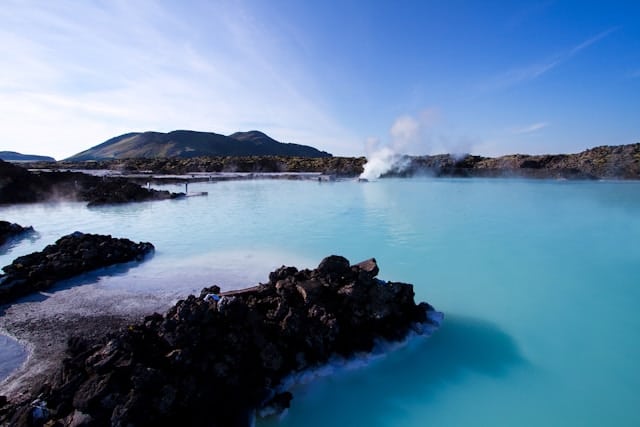
The main drawback of summer travel is the crowds. Popular attractions like the Blue Lagoon, Seljalandsfoss waterfall, and the south coast can feel packed during July and August. Accommodation prices peak during these months, sometimes costing 50-80% more than winter rates. Despite these challenges, summer remains the best time to visit Iceland if you want to experience the midnight sun, tackle long hikes, and explore remote areas with minimal weather concerns.
Fall: The Underrated Shoulder Season
September and October might be my favorite months to visit Iceland. The fall season offers an incredible balance of decent weather, returning Northern Lights, and significantly fewer tourists wandering the main attractions.
September brings temperatures that range from 7-10°C (45-50°F), making outdoor activities comfortable without summer’s crowds. This is when Iceland’s limited vegetation transforms into beautiful autumn colors, particularly the moss-covered lava fields that glow in golden and rust tones. The month provides roughly 12-14 hours of daylight at the start, gradually decreasing as October approaches. This decrease in daylight creates the perfect conditions for Northern Lights viewing, which typically begins in late September.
I visited in mid-September and managed to see the aurora borealis three times during my week-long trip, while still enjoying enough daylight to explore waterfalls and glaciers during the day. The whale watching season continues through September, though boat tours become less frequent as October approaches. The highland roads remain open through most of September, giving adventurous travelers one last chance to explore Iceland’s remote interior before winter closes these routes.
October marks the transition into full autumn with temperatures dropping to 3-7°C (37-45°F). The nights grow longer, providing excellent opportunities to see the northern lights. This month sees even fewer visitors than September, making it ideal for travelers who prefer solitude at natural wonders. Many accommodations and tour operators offer shoulder season discounts during October, providing excellent value for budget-conscious travelers.
The wettest months in Iceland are October through January, so you should prepare for rain during fall visits. However, I found that the changing weather actually enhanced the dramatic landscapes, creating moody atmospheres around waterfalls and mountains. October is also when ice cave tours begin to operate on certain glaciers, though the main ice cave season doesn’t start until November.
Fall’s biggest advantage is the shoulder season pricing combined with relatively stable weather. You’ll avoid the peak summer costs without facing the harsh conditions of deep winter. If seeing the Northern Lights is important but you don’t want to brave Iceland’s coldest months, late September through October delivers the perfect compromise.
Winter Wonderland: November through March
Winter in Iceland transforms the country into a completely different world. The landscape becomes a frozen wonderland of snow-covered mountains, frozen waterfalls, and brilliant blue ice caves. While winter travel presents challenges, it also offers experiences impossible during other seasons.
November and December bring darkness, with December seeing only 4-5 hours of daylight around the winter solstice. Temperatures hover around freezing, typically 0-2°C (32-36°F), though wind chill can make it feel much colder. These are some of the cheapest months to visit Iceland, with January being the absolute cheapest month if you avoid the Christmas and New Year’s Eve period. During my December visit, I found hotel rates 40-50% lower than summer prices.
The Northern Lights reach peak viewing conditions during winter months. From November through February, the long nights provide maximum opportunities to witness the aurora borealis dancing across the sky. December and January offer the darkest skies, though February is actually my recommended month because it provides more daylight for other activities while maintaining excellent aurora conditions.
Ice caves represent one of winter’s most spectacular attractions. Natural ice caves in Vatnajökull glacier open from November through March when the ice becomes stable enough for safe exploration. These brilliant blue caverns, formed by meltwater flowing through the glacier, create an almost surreal environment. I joined a tour from Jökulsárlón glacier lagoon in February and spent 45 minutes inside a crystal ice cave that glowed in shades of sapphire and turquoise. The Katla ice cave near Vík is the only natural ice cave accessible year-round due to its unique volcanic geology.
March signals winter’s end with temperatures starting to climb and daylight hours increasing noticeably. This month provides roughly 12 hours of daylight, making it easier to balance Northern Lights viewing at night with daytime sightseeing. March is also when winter tours start expanding their offerings as weather conditions improve. The ice caves remain accessible throughout March, giving visitors one last chance to experience these frozen wonders before they close for the summer.
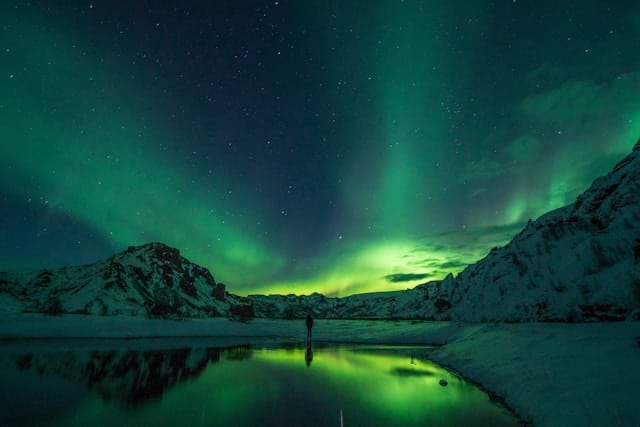
Winter’s challenges include road closures, particularly on the Ring Road’s northern sections and any highland roads. Weather can change rapidly, and storms sometimes shut down tours and activities. However, many of Iceland’s most famous attractions, including the Golden Circle and the south coast, remain accessible throughout winter. The Blue Lagoon becomes particularly magical during winter when you can soak in the geothermal hot springs while surrounded by snow and ice.
Spring Awakening: April and May
Spring in Iceland doesn’t look like spring in most places, but it offers unique advantages for savvy travelers. April and May represent another excellent shoulder season with improving weather and increasing daylight without summer’s high prices.
April brings temperatures between 2-7°C (36-45°F), which might seem cold but feels refreshing after winter months. Daylight hours increase dramatically during April, jumping from about 13 hours at the beginning of the month to nearly 17 hours by month’s end. This rapid change means you can explore Iceland with plenty of time for activities while still catching Northern Lights during early April before the nights become too bright.
The spring season marks the return of migratory birds to Iceland. Puffins begin arriving in mid-to-late April, establishing their nesting colonies on coastal cliffs through August. The iconic Atlantic puffins gather at locations like the Westman Islands and Látrabjarg cliffs, offering excellent opportunities for bird watching and photography.
May delivers some of the most pleasant spring weather with temperatures climbing to 6-10°C (43-50°F). The countryside starts showing signs of green growth, and waterfalls reach impressive flow rates from melting snow in the mountains. Iceland in May offers nearly 18-20 hours of daylight, with the sun setting around 11 PM and rising before 4 AM. These long days provide incredible flexibility for sightseeing and outdoor activities.
The best aspect of spring travel is the pricing. April is often the cheapest time to visit Iceland among the shoulder months, with accommodation and tour prices significantly lower than summer. You’ll find better availability at hotels and guesthouses compared to the scramble for bookings during peak season. Tours operate with full schedules by May, giving you access to all major activities at lower prices than summer.
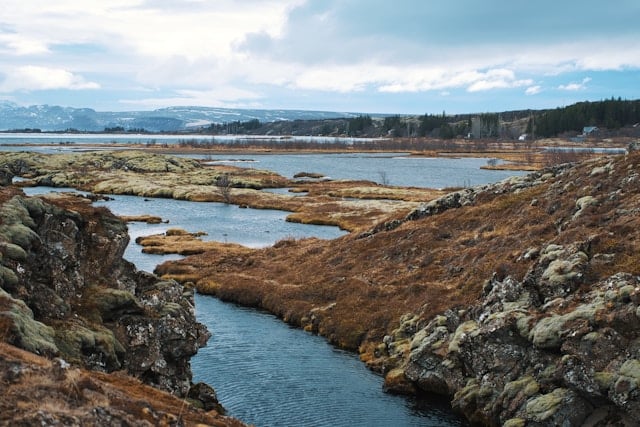
Spring’s main challenge is unpredictable weather. You might experience sunshine, rain, snow, and wind all in a single day. I learned to pack layers and waterproof gear after getting caught in an unexpected April snowstorm while visiting Thingvellir National Park. However, this weather unpredictability creates dramatic lighting conditions that photographers particularly appreciate.
What is the Temperature of Iceland by Month?
Understanding Iceland’s temperature patterns helps you pack appropriately and set realistic expectations. Here’s what to expect throughout the year:
Winter Months (November-March): Temperatures range from -2°C to 3°C (28-37°F), with January typically being the coldest month. However, Iceland’s coastal location and the warming effect of ocean currents mean temperatures rarely drop below -10°C (14°F) even in midwinter. The mild winters compared to other locations at similar latitudes surprise many visitors.
Spring Months (April-May): April sees temperatures between 2-7°C (36-45°F), while May warms to 6-10°C (43-50°F). The warming trend accelerates during May as Iceland transitions toward summer.
Summer Months (June-August): June brings temperatures around 10-12°C (50-54°F), July reaches 12-15°C (54-59°F), and August maintains 10-13°C (50-55°F). These are Iceland’s warmest temperatures, though 15°C (59°F) is considered quite warm for the country.
Fall Months (September-October): September ranges from 7-10°C (45-50°F), while October drops to 3-7°C (37-45°F) as winter approaches.
The crucial point about Iceland’s weather is that temperature alone doesn’t tell the full story. Wind chill makes the perceived temperature significantly colder, especially in exposed areas along the coast or on glaciers. A 5°C (41°F) day with 50 km/h winds feels much colder than the same temperature in calm conditions. Rain is common year-round, with October through February being the wettest months.
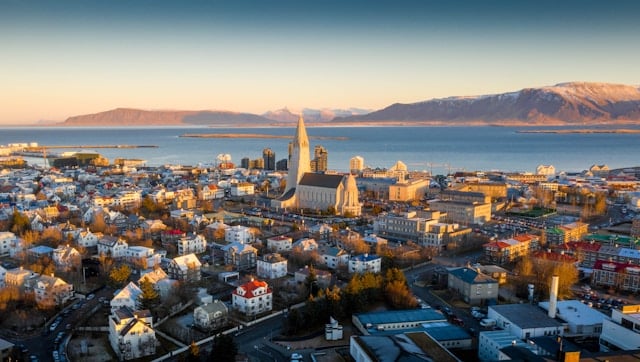
Regional variations also affect temperatures. Reykjavik and the south coast generally experience milder conditions than the north. The interior highlands always run colder than coastal areas, and weather can vary dramatically even within short distances.
What I Wish I Knew Before Going to Iceland
After multiple trips to Iceland across different seasons, I’ve learned lessons that would have made my first visit smoother. Here are the insights I wish someone had shared before I booked my initial flight.
Weather is genuinely unpredictable. The common saying that “if you don’t like the weather in Iceland, wait five minutes” isn’t hyperbole. I’ve experienced sunshine, rain, hail, and snow within a single afternoon. This unpredictability means you can’t plan outdoor activities too rigidly. I learned to have backup plans and stay flexible with my itinerary rather than booking activities back-to-back.
The wind is more challenging than the cold. Temperature readings don’t capture how cold you’ll feel when Iceland’s notorious winds blow. I once visited in April when the thermometer showed a mild 8°C (46°F), but 60 km/h winds made standing near waterfalls almost impossible. Invest in truly windproof outer layers rather than just warm clothes.
Book far in advance for summer travel. Iceland’s accommodation capacity is limited relative to visitor numbers during peak season. I made the mistake of booking hotels just two months before my July trip and paid premium prices for mediocre rooms. Book summer accommodations 6-9 months ahead for better selection and pricing.
The Northern Lights are never guaranteed. Even during peak season with perfect solar activity forecasts, clouds can completely obscure the aurora borealis. I spent a week in February with excellent aurora forecasts but saw clouds every night until the final evening. Build in several nights for Northern Lights viewing rather than assuming you’ll see them on any specific date.
Highland roads have strict opening schedules. The F-roads through Iceland’s interior open only when road authorities deem conditions safe, typically late June or early July. They close again in September or October. I planned a highland crossing in early June once, not realizing these roads would still be snow-covered and completely impassable.
Tap water is exceptional. Iceland’s tap water comes directly from glaciers and springs, making it some of the purest water on Earth. Don’t waste money buying bottled water. I filled my reusable bottle constantly and the water tasted better than most bottled options.
Everything costs more than expected. Iceland consistently ranks among Europe’s most expensive countries. Restaurant meals, gas, and alcohol carry particularly high prices. I learned to shop at discount grocers like Bonus and Kronan, preparing many meals myself to manage costs.
Daylight hours change dramatically. The difference between December’s 4-5 hours of light and June’s 20+ hours affects trip planning significantly. Winter visitors need to pack sightseeing into short daytime windows, while summer travelers can explore until midnight with perfect visibility.
What is the Cheapest Month to Go to Iceland?
For budget-conscious travelers, timing your Iceland visit strategically can save hundreds of dollars on flights, accommodation, and tours.
January and February are the absolute cheapest months to visit Iceland, with one important exception: avoid the Christmas through New Year’s Eve period when prices spike. From early January through February, you’ll find the lowest accommodation rates of the entire year, sometimes 50-60% below summer prices. Flights also hit their annual lows during these winter months, particularly midweek departures.
November offers excellent value as another budget-friendly month. The weather has turned cold and winter tour operators haven’t yet fully ramped up their schedules, creating a low season sweet spot. November hotel rates run about 40% below summer peaks, and you’ll encounter fewer tourists at major attractions.
April represents the cheapest shoulder season option. This month provides a middle ground between winter’s harsh conditions and summer’s high prices. Accommodation costs roughly 30% less than summer rates, while tour prices also drop from peak season levels. April gives you more daylight than winter months, making it easier to pack activities into your trip while maintaining budget-friendly pricing.
The trade-offs of cheap months include shorter daylight hours, closed highland roads, and potentially challenging weather conditions. However, many of Iceland’s most famous attractions remain accessible year-round. The Golden Circle, Blue Lagoon, south coast waterfalls, and Reykjavik’s museums all operate throughout winter, meaning you won’t miss iconic experiences despite visiting during the low season.
To maximize savings regardless of when you visit, book flights 3-8 months ahead, choose guesthouses or hostels over hotels, shop at budget supermarkets like Bonus, and take advantage of free natural attractions like waterfalls, hot springs, and black sand beaches that don’t charge admission.
Making Your Decision: Which Season is Right for You?
After exploring Iceland across multiple seasons, I’ve found that the best time to visit depends entirely on what experiences you prioritize.
Choose June, July, or August if you want: The midnight sun experience, access to all areas including highland roads, warmest weather, whale watching and puffin sightings, long hikes without darkness concerns, or the most predictable weather conditions. Accept trade-offs of higher prices, larger crowds, and no Northern Lights viewing.
Choose September or October if you want: The best balance of weather and value, Northern Lights viewing opportunities while retaining reasonable temperatures, autumn colors enhancing landscape photography, fewer tourists at popular sites, or lower accommodation prices than summer. Accept slightly shorter days and increasing chances of rain.
Choose November through February if you want: The cheapest possible Iceland trip, maximum Northern Lights viewing opportunities, ice cave exploration in brilliant blue glaciers, snow-covered landscapes creating magical winter scenes, or the quietest tourist season. Accept very short daylight hours, potential road closures, and challenging weather.
Choose March through May if you want: Shoulder season pricing without extreme conditions, lengthening days with decent weather, last chance for Northern Lights (March/April) or first chance for puffins (late April/May), or fewer crowds than summer with better weather than winter. Accept unpredictable spring weather and some attraction limitations.
My personal recommendation? If you’ve never been to Iceland, June offers the easiest introduction with excellent weather and full access to the country, despite the higher costs. For return visitors or budget travelers comfortable with uncertainty, September provides the ideal sweet spot. Those specifically chasing the Northern Lights should target February when darkness and weather patterns align most favorably.
Planning Your Iceland Adventure
Iceland rewards thoughtful planning regardless of which season you choose. The country’s dramatic seasonal variations mean your experience in February will differ completely from a July visit, both offering incredible but distinct adventures.
The magical combination of fire and ice, ancient glaciers and active volcanoes, creates landscapes unlike anywhere else on Earth. Whether you’re soaking in hot springs under the midnight sun or watching the Northern Lights dance over frozen waterfalls, Iceland delivers unforgettable experiences every month of the year.
I’ve visited during summer’s endless daylight and winter’s long nights, and each trip has left me wanting to return and experience the seasons I’ve missed. That’s perhaps the most important thing to know about the best time to visit Iceland: there truly isn’t a wrong answer, only different adventures waiting to be discovered.
Start checking flight prices, book those accommodations well in advance if you’re targeting summer, pack layers regardless of season, and prepare for the trip of a lifetime. Iceland’s natural wonders are calling, and they’re spectacular no matter when you answer.

Blog Author
Peter
I'm Peter, the founder of BazTel. I built this company at the intersection of two things I know well: finance and travel. Before starting BazTel, I worked in investment analytics at State Street, one of the world's largest custodian banks, and later at TCorp, the New South Wales Government's investment…


