
 Botswana
 Zambia
 Congo
Congo Colombia
 China mainland
 Chile
Chile Chad
Chad Central African Republic
 Canada
 Cameroon
 Cambodia
 Burkina Faso
 Bulgaria
 Brunei Darussalam
 Brazil
 Aland Islands
 Bosnia and Herzegovina
 Bolivia
 Belgium
 Belarus
 Bangladesh
 Bahrain
 Azerbaijan
 Austria
 Australia
 Armenia
 Argentina
 Algeria

Planning a trip to Egypt and getting hung up on visa requirements? Don’t worry, you’re not alone. After having to navigate the Egypt visa process multiple times to help out colleagues at BazTel who were getting ready for their Egyptian adventures, I’ve figured out what really works and what the official websites sometimes leave out.
Whether you’re dreaming of standing in front of the Pyramids of Giza, taking a Nile cruise, or diving in the Red Sea, getting your Egypt travel documents sorted is your first step. And the good news is that in 2026 Egypt has actually made it a fair bit easier for tourists to get visas with multiple options that suit different travel styles and timelines.
In this guide, I’ll walk you through everything from understanding if you need an Egypt visa at all, right through to comparing the e-visa with visa on arrival. Also will be sharing some tips and tricks that might just save you several hours at Cairo International Airport.
Do I Need a Visa for Egypt?
The simple answer for most travelers is yes, you do need a visa for Egypt. However, there are a few exceptions and subtleties that are worth being aware of before you start booking your flights.
As of 2026, citizens of only seven countries get a free pass into Egypt without needing a visa: Bahrain, Israel, Kuwait, Lebanon, Oman, Saudi Arabia, and the United Arab Emirates. If you’re from one of these Gulf or nearby countries and planning wider regional travel, it can be handy to set up a Bahrain eSIM for your trip, flexible eSIM data for Israel, prepaid eSIM plans for Oman, or eSIM packages for Saudi Arabia alongside your Egypt prep. Everyone else needs some kind of visa to get into the country the right way.
But the Egyptian government has made things a bit easier for tourists by setting up three main pathways for getting tourist visas – so the process isn’t as intimidating as it might have been. These include applying online for an e-visa before you go, getting a visa on arrival at Egyptian airports, or applying for one through an Egyptian embassy or consulate in your home country.
The method you choose depends on your nationality, how much time you have before you go, and what you’re comfortable with. For instance, when I last went to Egypt from Australia I opted for the e-visa route and found it pretty straightforward, taking less than 30 minutes to complete the application.
Special Exemptions Worth Knowing About
If you’re heading just to the South Sinai resorts like Sharm El Sheikh, Dahab, Nuweiba, or Taba you can enter Egypt visa-free for up to 15 days. This applies to travelers from most Western countries, provided you fly in at one of the designated airports and don’t leave those specific resort areas.
I’ve got a colleague who used this exemption for a quick Red Sea diving trip. He just got a free entry permission stamped into his passport and was through in a few minutes. However, if you want to visit Cairo, Luxor or any mainland destinations, you’ll need the full tourist visa.
Which Countries Need a Visa for Egypt?
Understanding visa requirements on the basis of your nationality will help you plan ahead. The Egyptian government has grouped countries into different categories with different requirements.
Countries Eligible for E-Visa
There are over 70 countries that can apply for an Egypt e-visa through the official visa2egypt.gov.eg website. That includes the United States, Canada, the UK, Australia, New Zealand, all the EU countries, Japan, South Korea and loads of others. Citizens of these countries can do their whole visa application online without having to visit an embassy.
When I helped a Canadian friend get ready for her Egypt trip the e-visa process took just four days from application to approval – even though the official processing time said 5-7 working days. The online visa system has definitely improved since it was first introduced in 2017.
Countries Eligible for Visa on Arrival
Citizens from roughly 40 countries can get a visa on arrival at Egyptian airports and some land borders. That includes all the EU countries, plus Australia, Canada, Georgia, Japan, New Zealand, Norway, Russia, Ukraine and the United States and others.
The visa on arrival option works well for last-minute travelers or people who like to handle everything once they land. But you will need to have the exact amount of cash in US dollars ($25 for a single-entry visa) because the bank kiosks at airports often won’t accept credit cards or give change.
Countries Needing Embassy Applications
Some nationalities will have to apply for visas in advance through Egyptian embassies or consulates. This includes countries like India (unless you’re traveling as part of an organised tour group), Pakistan, Bangladesh and several African countries. These applications usually need pre-approval from Egyptian authorities, which can take several weeks to sort out.
How to Apply for an Egypt Visa Online
The Egypt e-visa has become the preferred way to go for most travellers, and for good reason – the process is completely digital, relatively speedy, and spares you the chaos of airport queues. Here’s how to navigate the Egypt visa application step by step.
Step 1: Check if You’re Eligible
Before you start your application, just confirm your country is on the eligible list. Visit the official Egyptian government website at visa2egypt.gov.eg and use their eligibility checker. That takes all of 30 seconds and saves you the hassle of starting the application if you’re not eligible.
Step 2: Gather All the Documents You Need
You’ll need a surprisingly small number of documents for an Egypt e-visa. Have a valid passport with at least six months validity beyond your arrival date on hand. Alongside a clear scan or photo of your passport’s information page, and a valid credit or debit card for payment.
The passport scan element caught me off guard the first time round. Make sure the image is crisp and all text is easy to read. It’s one of the main reasons I’ve seen application get delayed or rejected. I’ve had my fair share of consultations with immigration lawyers for work projects.
Step 3: Complete the Online Application
First, create an account on visa2egypt.gov.eg and fill out the application form. You’ll need to provide all your personal details exactly as they appear on your passport. Ensure to include your travel dates, accommodation info in Egypt, and the purpose of your visit.
The application form itself is pretty straightforward but pay close attention to the details – I’ve seen plenty of applications rejected because someone accidentally scrambled their day and month of birth. And don’t forget: the Egyptian government doesn’t give refunds if your visa application gets denied due to errors.
Step 4: Pay the Visa Fee
Single-entry e-visas cost $25, while multiple-entry visas come in at $60. Payment is taken care of through the portal using major credit cards. When payment is processed, you’ll get a confirmation email with a reference number.
Step 5: Wait for Approval
Standard processing takes 5-7 working days, although lots of travelers report getting approval within 72 hours. Some visa service companies will do expedited processing for an extra fee, getting your e-visa to you in 2-3 business days.
When I got my e-visa via email, I printed out three copies – one for my wallet, one in my carry-on, and one in checked luggage. Some might say I was being paranoid, but having backups meant I didn’t freak out when I couldn’t find my primary copy at Cairo immigration.
Step 6: Print Your E-Visa
This is really important – you’ll need to print out your e-visa and show it to the immigration officers when you get to Egypt. A physical copy is a must, not just a digital one on your phone. Some travelers have reported getting sent back to print it out at airport business centers – which is a total waste of time.
Egypt E-Visa vs Visa on Arrival: Which Is Better?
I’ve used both methods for different trips to Egypt, and each has its own advantages depending on your circumstances. Let me break down the real-world differences based on actual experience.
The E-Visa Advantage
Applying for your Egypt visa online before you travel gives peace of mind. You know you’re approved before you lay out the cash for flights and hotels. When I landed at Cairo with my e-visa, I zipped straight past the visa on arrival queues and went straight to immigration. The time saved was massive – probably 20-30 minutes during a busy arrival period.
The e-visa also offers multiple entry options, which visa on arrival doesn’t. If you’re planning on visiting Egypt more than once within six months, the $60 multiple entry e-visa starts to look cheaper compared to buying two separate visas on arrival at $25 each.
Another advantage is that the e-visa lets you pay electronically, using your credit card. No need to carry around cash – which is a real plus if you’re travelling from some countries where getting crisp, fresh US bills can be tricky.
The Visa on Arrival Advantage
Despite the e-visa’s advantages, visa on arrival still has its place. It’s perfect for last-minute trips when you don’t have 7 days to hang around waiting for the e-visa to come through. I once booked a weekend to Luxor off the cuff with just three days notice – visa on arrival was my only option.
The process at Cairo International Airport is actually pretty slick. After collecting your bags and before you hit immigration, you’ll see bank kiosks with signs that say “Visa” or “Bank Misr”. Pop along, hand over your passport and $25 in cash, and – bingo – you get a visa sticker in minutes. Peel it off and stick it in your passport, then join the immigration queue.
One tip I do have is to steer clear of the first bank counter (usually Bank Misr) – it’s usually the longest queue. Walk further down the line and try Banque du Caire or National Bank of Egypt. They’re usually way less busy, and sometimes you can get in with no wait at all.
The visa fee is the same whether you apply online or on arrival – both are $25 for single entry. So, financially, there’s no penalty for going for last-minute convenience.
My Recommendation
For most organised travelers, the e-visa wins. Apply a couple of weeks before your departure date, and you land in Egypt feeling pretty relaxed. However, if you’re booking at the last minute or don’t fancy dealing with online applications, visa on arrival will do just fine. Just be sure to have exactly $25 in clean, unmarked US dollar bills on you.
During peak tourist season (October through April), I reckon the e-visa is the way to go. Airport queues can get ridiculously long when multiple flights arrive at the same time. Having your visa sorted in advance is a major time-saver.
How Long Before Traveling Should You Apply for an Egypt E-Visa? Sorting your Egypt visa application out well in advance can save you a world of stress. Based on official guidelines and some very real-world experience, I’ve got the lowdown on visa processing times for you.
Official Processing Times – What’s the Deal?
The Egyptian government says you can expect to get your e-visa sorted in 5-7 working days. Sounds good, but to be honest, things can vary. Traveling off-season, you might get yours within 3 days. Throw in the holidays or peak season though, and you might be waiting that full week or even a bit longer.
If I’m you, I’d aim to get your application in 10-14 days before you leave. That gives you a buffer in case of delays, time to fix any mistakes on the application, and means you won’t be worrying too much before your trip. No point in rushing it.
Don’t Apply Too Early – What’s the Catch?
Just a heads up – don’t overdo it. Single entry e-visas are only good for 90 days from the day you get yours. That means you need to be in Egypt within 3 months or the visa is gone. If you apply 6 months out, it’ll expire before you even get on the plane.
Multiple entry visas are good for 180 days. Most consulates will advise you not to apply more than 3 months before your trip, to avoid any problems.
The Peak Tourist Season – Be Prepared
Egypt is super popular during the peak tourist season from October till April, so make sure you apply earlier rather than later. Visa processing goes up bigtime during this time and thousands of tourists arrive to get some nice weather. If you’re combining Egypt with other destinations on the continent, it can also be worth sorting practicalities like eSIM data plans for travel across Africa at the same time. Get your application in 3-4 weeks in advance to avoid getting stuck.
I learned this one the hard way. I applied 7 days before my trip to Egypt in December and the visa showed up on day 6. Too close for comfort if you ask me. Some colleagues who went in the summer got theirs sorted in just 3 days.
What If Your Visa Is Late?
If your e-visa isn’t showing up in time, check your application status on the visa2egypt.gov.eg portal using your reference number. Often delays happen because the passport scan isn’t clear, you didn’t include all the necessary info, or the payment didn’t go through.
If things get delayed and you’re running out of time, contact the Egyptian consulate’s help desk – just don’t expect a super fast response. And as a last resort, if your travel date is looming you might be able to do visa on arrival instead.
Egypt Visa Requirements – The Essential Stuff
Get your Egypt travel documentation right in the first place and you’ll save yourself a whole lot of hassle. Here are the key requirements you’ll need for a successful visa application.
Passport Requirements
Your passport needs to be valid for at least 6 months after you plan on arriving in Egypt. This is NOT up for debate – the immigration officers at Egyptian airports take this pretty seriously. I’ve even seen people getting turned around at their departure airport because their passport was due to expire in 5 months.
Also, you need at least one blank page for the visa stamp. Two is better, just in case you end up with another stamp as well. Endorsement pages don’t count, so make sure you’ve got some actual visa pages left over.
Your passport should also be in decent nick – a bit damaged or stained and you might run into entry problems. If your passport is looking a bit worse for wear, maybe get a new one before applying for the Egypt visa.
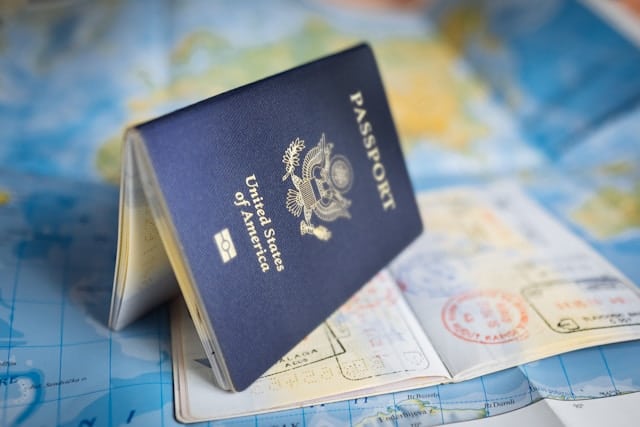
Passport Photos – Not So Scary
Some visa processes still require a passport photo or two, so be prepared. These should be 2×2 inches, taken recently, on a white background. Thankfully, for an e-visa application you only need to upload a digital scan of your passport, which is a whole lot easier all round. While you’re sorting documents. It’s also a good moment to plan basics like Qatar eSIM data options for any stopovers so you’re not hunting for SIM kiosks between flights.
Where Will You Be Staying?
You’ll get asked for accommodation details as part of the visa application. You need to give the name and address of the hotel you’ll be staying in (even if it’s just for a bit), or details about where you’ll be staying with friends or family. Don’t get hung up on this – it’s just to make sure you’ve got a plan rather than just turning up out of the blue.
I did the same thing when I applied for my e-visa, listing my first 3 nights in Cairo even though I was planning on hopping around other cities. Immigration never questioned it.
Money and Tickets – Not Always Needed
Technically, you should have proof of funds and a return ticket for your stay. But immigration never asks for this stuff. Having some hotel confirmations and return flight itineraries on your phone does give you an extra safety net though.
Payment in Egypt – How to Pay
E-visa applications accept most kind of payment cards – Visa, Mastercard, Amex – the lot. The payment process is secure and is in USD. If you’re doing visa on arrival, the cash payment needs to be in exactly 25 USD for single entry, or 60 USD if you did it through the consulate.
One Practical Note About Cash for Visa on Arrival: Egyptian bank kiosks at airports tend to be very particular about the cash they accept. Crisp, unmarked bills are the way to go. Avoid anywhere near torn, heavily worn, or even scribbled on notes as they might just refuse to take them. You might want to get your money exchanged at a reputable bank before you travel. Just to make sure you’ve got the right kind of bills.
Getting to Grips with Egypt Visa Types & Validity
Egypt offers a bunch of different visa categories, each designed for different purposes and lengths of stay. Knowing which one is right for you is crucial to getting the right one.
Single-Entry Tourist Visa
This is by far the most common visa type for people visiting Egypt. Its good for one trip in , allowing you to stay for a max of 30 days. Don’t worry if you don’t use it all up before you leave , the visa will expire when you do.
The single-entry tourist visa costs $25 either online or on arrival, and it’s valid for 90 days from when you get it. Meaning you need to get into Egypt before 3 months is up.
Multiple-Entry Tourist Visa
If you’re planning a bunch of trips to Egypt in the next 6 months, or if you’re on a longer regional tour and want to pop back and forth, a multiple-entry visa is definitely the way to go. For example, if you’re visiting Jordan and Egypt at the same time, you’ll want a multiple-entry visa to make it easy to go back and forth.
These visas cost $60 and are good for 180 days, so you can potentially visit 6 times in 6 months if you want. I’ve used this option when I’ve had to make multiple short trips to Cairo over a few months.
Multiple-entry visas can only be got through the e-visa system or at an embassy. You can’t get one when you land at one of Egypt’s airports.
Visa Extensions
If you love Egypt so much you want to stay longer than your initial 30 days – then visa extensions are an option. But be warned, they’re not exactly straightforward! You’ll have to go to the Passport and Immigration Office in Cairo or one of the other big cities to apply. If Egypt is just one stop on a longer beach-hopping itinerary, you might also want to line up things like Maldives travel eSIM data plans so your connectivity is as smooth as your visas.
You’re going to need your passport, copies of your visa page and photo page, a completed application form, and payment for the extension fees. Processing times can vary, and there’s no guarantee your extension will be approved. I’ve heard stories of people queuing for hours at immigration offices only to be told it’s not going to work.
My advice is to plan your trip carefully right from the start. Visa extensions in Egypt can be a real lottery, so don’t bank on it if you’ve got fixed return flights.
Overstaying and Penalties in Egypt
If you overstay your visa, you can expect to get fined and possibly run into some difficulties when you try to leave. If you overstay by less than 14 days, you can usually just pay a fine at the airport. But if you overstay by more than 2 weeks it can lead to some pretty serious complications, possibly even a ban from going back into Egypt.
I once helped a colleague who accidentally overstayed by 3 days when a flight got cancelled. He had to pay a fine at Cairo International Airport and had some pretty tough questioning from immigration officers. Not fun, so make sure you keep track of how long you’re allowed to stay.
Tips for a Smooth Egypt Visa Experience
After multiple trips to Egypt and helping loads of other travelers get through the visa process, I’ve picked up on a few practical tips that official sites never mention.
Print Loads of Copies
Whether you’ve got an e-visa or a visa on arrival, print up multiple copies of all your documents and keep them handy. You never know when you might need them. I keep one in my carry-on, one in my checked luggage, and one in my wallet or day bag just in case.
Get Some Backup Cash
For visa on arrival, bring more cash than just the visa fee itself – airport exchange rates are pretty poor. Having some Egyptian pounds immediately can be really useful for SIM cards, tips, and transport. I usually exchange $100-200 at the airport bank while I’m getting my visa.
Save Offline Copies
Save PDF copies of your e-visa, hotel confirmations, and flight details in apps like Google Drive or Dropbox that can go offline. You never know when Cairo International Airport WiFi is going to go down. You don’t want to be scrambling to find a connection when an immigration officer asks to see your documents.
Check Your Passport Early
I know this one sounds obvious, but it’s a common mistake – make sure your passport’s not due to expire within 9 months before you even start planning your Egypt travel. If it is, renew it ASAP – you don’t want to end up having to pay loads to rush a new one.
Understand eSIMs
Once your visa’s sorted, staying connected in Egypt is the next priority – getting an eSIM from providers like BazTel. It’s a much better idea than dealing with the SIM card kiosks at the airport where you’ll probably have to deal with some language barriers and overpriced options. If you’re new to the tech, it’s worth getting familiar with what an eSIM card is and how it works before you travel.
You’ll have instant data connectivity the moment you land, which is perfect for getting to your hotel. Egypt airport WiFi is really, really slow and can be pretty patchy. For peace of mind, especially against SIM swap scams and lost phones, it also helps to understand how secure eSIM technology is compared to physical SIMs. Having a personal data connection lets you ring your hotel, sort out a taxi, and sort out your visa problem, all without having to go on a wild goose chase for a WiFi hotspot that just might work.
Arrive Early at the Airport
Dealing with flights out of Egypt is a different ball game. Get there nice and early, especially during the busy season. I’d say aim to get to the airport at least three hours before your flight from Cairo. That way you have a bit of wiggle room if you get held up at immigration or have any visa questions to sort out.
Common Egypt Visa Mistakes – What To Watch Out For
We all learn from each other’s mistakes, and when it comes to Egypt visas, there are some pretty common pitfalls to watch out for. Here are a few of the most common mistakes I’ve seen – and how you can avoid them.
Mistake 1: Using Dodgy Visa Websites
There are loads of websites out there that claim to offer Egypt visa services, but they’re basically just ripping you off. Some of them are charging $60-80 for what should only cost you $25. The official government portal to get an e-visa from is visa2egypt.gov.eg – bookmark that and use it exclusively for all your e-visa needs.
Third party visa services might seem convenient, but they’re not worth the extra cost. The official application is pretty straightforward to begin with, and the processing time isn’t going to be any faster just because you’re paying someone else to sort it out. You’re usually better off handling essentials yourself — whether that’s visas or arranging prepaid eSIM plans for Tunisia and nearby countries directly with a reputable provider.
Mistake 2: Putting in Wrong Information
When filling in your visa application, make sure all the details match up with your passport. I know a guy who swapped his middle name and surname on the application form, and guess what? His visa got rejected and he lost his money. Double and triple check every single field before hitting submit.
And make sure you’ve got the right travel dates in there too. If you enter a date that’s only 5 days away, but it takes 7 days to process the visa, you might find it gets rejected. Just give yourself plenty of processing time, okay?
Mistake 3: Forgetting Your Printed Visa
When I say I want to stress how important this is, I’m not kidding: print your e-visa. Egyptian immigration won’t accept a digital copy on your phone or tablet. Some airports have printing facilities, but you don’t need that hassle and expense when you can print it at home instead.
Mistake 4: Not Being Prepared For Cash
Visa on arrival at Egyptian airports is only cash, and they don’t accept credit cards. They usually want US dollars, but some places now take Euros and British pounds. Bring the right cash with you, or you’ll end up looking for an ATM before you can even get into the country.
Mistake 5: Ignoring the Sinai-Only Option
If you’re just visiting Sharm El Sheikh or some South Sinai resort for a short trip, you can get a free Sinai-only visa, which saves you $25. But this only lets you visit those specific areas – if you want to see the Pyramids or visit Luxor, you’ll need a proper tourist visa.
I know a friend did this once – he got the free Sinai stamp, then suddenly decided mid-trip he wanted to see the Pyramids. He ended up having to spend a whole day at the immigration office in Sharm El Sheikh trying to sort out his visa. It was a complete waste of holiday time.
What To Do When Visa Complications Arise
Even with all the planning and preparation in the world, visa complications can still happen. Here’s what to do if things go awry.
E-Visa Processing Goes Slow
If your e-visa hasn’t arrived within 7 working days, first off check your spam folder. Sometimes the approval email gets filtered into spam by mistake. Then log back in to your account on visa2egypt.gov.eg and check the status of your application.
If it says pending, you’re just in the queue, and you should get a decision soon. If it says it needs more information, check your email for any messages from the visa office. They might need a clearer passport scan or some extra details.
If you’re in a real rush and can’t afford to wait any longer because you need to leave the country soon, get in touch with the Egyptian consulate’s visa help desk. They can sometimes speed up genuinely urgent applications, although response times vary.
Rejected Visa Applications
Visas get rejected sometimes – usually because of a problem with the information, a dodgy passport scan, or something else like that. Sorry to say, but your fees are non-refundable, even if the visa gets rejected. The rejection notification should say why it got rejected – sort that out and you can reapply.
If you get rejected because of something silly like a blurry passport scan, just reapply with a better picture. If it’s something more serious, like a passport validity problem, you’ll need to sort that out before you can reapply.
Arriving Without a Proper Visa
If you rock up at an Egyptian airport without a valid visa, and you’re not eligible for visa on arrival. You’ll get turned away and have to get on the next available flight home. That’s a pretty expensive and embarrassing way to spend your day.
Before you book your flights, make absolutely 100% sure you either have an approved e-visa or are eligible for visa on arrival. Don’t guess, don’t assume – verify through official sources.
Lost or Damaged Visa Documents
If you lose your printed visa or it gets damaged, you can just log back in to visa2egypt.gov.eg and print another copy. This is one of the benefits of the electronic visa system – your visa approval is stored online for keeps. For the visa on arrival stickers in your passport, once its all sorted in there, youre good to go. Just keep a close eye on your passport and that visa sticker will stay put.
Key Takeaways
- Travelers typically need an Egypt Visa, but Bahrain, Israel, Kuwait, Lebanon, Oman, Saudi Arabia, and UAE citizens can enter visa-free.
- Visa options include applying for an e-visa online, obtaining a visa on arrival, or applying through an embassy.
- The e-visa process is efficient, taking about 5-7 working days, while visa on arrival provides immediate access but requires cash payment.
- Print multiple copies of your visa and documents, as digital copies are not accepted at immigration in Egypt.
- Plan ahead to avoid complications, ensure your passport is valid for at least six months, and check eligibility requirements for your nationality.
Frequently Asked Questions
Only citizens of 7 countries (Bahrain, Israel, Kuwait, Lebanon, Oman, Saudi Arabia, and the UAE) are free to enter Egypt without a visa. Plus, if you just want to hit up one of those South Sinai resorts like Sharm El Sheikh for a quick 14 day break, you can get a free entry stamp.
Single entry visas set you back $25 whether you get them online or at the airport. And if you want a multiple entry e-visa, that’ll be $60. And the good news is, the price is the same no matter which official route you take.
You’re going to need at least 6 months of validity from your arrival date in Egypt. If your passport is due to expire in 5 months, sort it out by renewing it before you even think about applying for your Egypt visa – you won’t get in otherwise.
Nope, tourist visas are only for tourists, nothing else. If you need to grab a job in Egypt, you need to go through the Egyptian embassy and get a work visa first. Work visas have their own separate set of requirements and processing times.
Yup, both single entry visas are $25. The only difference is that multiple entry visas are $60, but you can only get them through the e-visa system.
Well, technically yes. But its a real pain in the neck. You have to physically go to the immigration offices, provide loads of documents and hope for the best. And lets be honest, its a bit hit and miss and takes up a load of time. So if you can plan your trip to last for less than 30 days, that might be the easiest option.
Final Thoughts
Egypt visa requirements don’t have to be a nightmare, as long as you know what you’re doing. With a little bit of planning and the right info, you can breeze through the whole process and get on with more fun things, like exploring this amazing country.
Its worth noting that whether you go for the e-visa or visa on arrival, most people find it works out okay. Just apply at least a couple of weeks in advance if you’re doing the e-visa, take cash to the airport for visa on arrival, and double check that your passport is up to date.
Egypt has millions of tourists every year and the visa system has actually got a lot better since they sorted out the e-visa portal. The whole thing is pretty user friendly, the processing times aren’t too bad and the immigration people are normally pretty efficient and helpful.
Just remember, don’t let visa worries stop you from having an amazing time in Egypt. The pyramids, the temples, the museums and the beaches are all worth the hassle so get your visa sorted, pack your bags and get ready for the adventure of a lifetime, the temples, the museums and the beaches are all worth the hassle so get your visa sorted, pack your bags and get ready for the adventure of a lifetime.

Blog Author
Peter
I'm Peter, the founder of BazTel. I built this company at the intersection of two things I know well: finance and travel. Before starting BazTel, I worked in investment analytics at State Street, one of the world's largest custodian banks, and later at TCorp, the New South Wales Government's investment…


