
 Botswana
 Zambia
 Congo
Congo Colombia
 China mainland
 Chile
Chile Chad
Chad Central African Republic
 Canada
 Cameroon
 Cambodia
 Burkina Faso
 Bulgaria
 Brunei Darussalam
 Brazil
 Aland Islands
 Bosnia and Herzegovina
 Bolivia
 Belgium
 Belarus
 Bangladesh
 Bahrain
 Azerbaijan
 Austria
 Australia
 Armenia
 Argentina
 Algeria

I’ll be honest—when I first visited Montreal during a frigid February weekend, I wasn’t sure what to expect. The city had this reputation for being “Europe in North America,” but I’d heard that line before about other cities that didn’t quite deliver. Within hours of arriving, though, I was completely sold. Montreal isn’t trying to be European. It just is. This beautiful city is known for its charm, rich history, and scenic neighborhoods like Vieux Montreal and the vibrant Old Port, making it truly picturesque.
The city grabbed me from the moment I stepped onto the cobblestone streets of Old Montreal, where stone walls that have stood since New France whispered stories of centuries past. I’ve traveled to major cities across Asia and Europe, but Montreal feels different. It’s got the cultural sophistication of Paris mixed with the friendliness of a neighborhood pub. Montreal is made up of diverse neighborhoods, each with its own unique identity, from the historic architecture of Old Montreal to the lively energy of Plateau Mont-Royal and the multicultural flair of Mile End. And after several trips back—including a summer visit that showed me an entirely different side of the city—I can confidently say it’s one of those rare places that gets better every time you visit.
Whether you’re planning your first trip or looking to dig deeper into what makes this great city tick, here’s what you absolutely need to experience.
Start Where It All Began: Old Montreal
The old city, known as Vieux Montreal, is where Montreal’s heart still beats strongest. Vieux Montreal is the city’s old quarter, famous for its cobbled streets and historic architecture. When I first wandered down Rue Saint-Paul on a snowy afternoon, I felt like I’d stepped into a different era. The historic buildings here date back to the 1600s, and unlike a lot of tourist areas that feel manufactured, this neighborhood has real soul.
Place Jacques Cartier is the natural starting point. This public square gets packed with street performers in summer and transforms into something magical during winter when the whole port area lights up. I spent an entire day exploring the old town and still didn’t see everything. The stone walls and narrow streets create this intimate feeling you don’t get in newer parts of the city.
Notre-Dame Basilica deserves its own visit. I’ve seen plenty of churches in my travels, but this one stopped me in my tracks. The Gothic Revival interior is breathtaking—think deep blue ceiling studded with gold stars, intricate wood carvings, and stained glass that tells Montreal’s story. The AURA light show they run in the evenings takes it to another level, though I’ll admit the C$30 ticket made me hesitate. Worth it, though. Nearby, the Notre-Dame-de-Bon-Secours Chapel is one of the oldest churches in Montreal and is often called the ‘Sailors’ Church.’
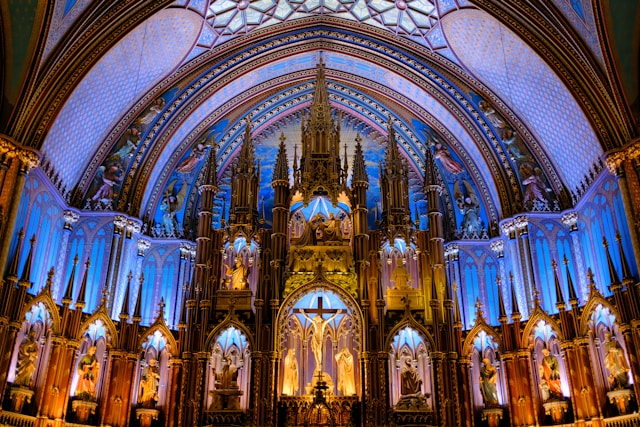
The Pointe à Callière Museum sits right where Montreal began. It’s built over actual archaeological ruins, and you can walk through underground passages that show you exactly where the first European settlers built the new city. The exhibits connect Indigenous history with French colonial arrival in a way that felt respectful and educational without being preachy.
Tips on Underrated Gems
Among the historic buildings, don’t miss Château Ramezay, built in 1705 and recognized as one of the oldest and most historic buildings in Montreal. Also, the Bonsecours Market has been part of Montreal since 1847 and now houses shops and boutiques, making it a great spot to experience both history and local culture.
Don’t miss the old port area itself. In winter, there’s a big observation wheel—La Grande Roue—that gives you panoramic views of the St. Lawrence River and the entire city. It’s heated (thank god), and the 20-minute ride lets you really take in how the downtown area sprawls out from this historic core.
To experience Montreal’s history in a unique way, check out the Cité Mémoire project, which features outdoor video projections that tell stories about Montreal’s past, bringing the city’s heritage to life after dark.
Jean-Talon Market: Montreal’s Real Heart
If you only visit one place outside Old Montreal, make it Jean-Talon Market. I’m serious about this. Jean-Talon Market is a vibrant market located in Little Italy, known for its fresh produce and local vendors. It isn’t just a place to buy vegetables—it’s where you understand what makes Montreal tick. Jean-Talon Market is also one of the largest and most popular markets in Montreal, offering a variety of local produce and specialty foods.
Jean-Talon is one of North America’s largest public markets, and it’s been operating since 1933. I visited on a Saturday morning in June, and the energy was incredible. Farmers from outside the city bring in fresh produce, you’ve got cheese vendors offering samples of Quebec specialties, meat sellers with sausages I’d never heard of, and maple syrup in every form imaginable.
The market is open year-round, which surprised me. In winter, most vendors move indoors, but you still get that community feel. I bought some maple syrup here (because obviously), tried fresh cheese curds for the first time (essential poutine research), and grabbed a meat sandwich from one of the local vendors that might have been one of the best things I ate on the entire trip.
What I loved most was how many actual Montrealers were shopping there. This isn’t a tourist trap. It’s where local markets and real neighborhood life intersect. Head straight to Jean-Talon when you arrive, wander for an hour or two, grab some snacks, and you’ll understand the city’s food culture immediately. If you want to dive even deeper, joining a food tour is an excellent way to explore Montreal’s culinary scene and learn about the city’s history.
Mile End and the Bagel Situation
Montreal takes its bagels seriously. Like, religious-level seriously. And Mile End is ground zero for this obsession.
St. Viateur Bagel was my first stop. The shop has been operating since 1957, baking Montreal style bagels in a wood-fired oven that’s never been turned off in almost 70 years. I showed up around 8am and watched bakers hand-roll dough, boil it in honey water, then toss it into the oven. This traditional Montreal style preparation—boiling in honey water and baking in a wood-fired oven—gives the bagels their distinctive flavor and chewy texture. The whole place smells amazing.
Here’s the thing about Montreal style bagels—they’re smaller, denser, and sweeter than New York bagels. They’ve got a bigger hole and this chewy texture that comes from the honey water and wood-fire process. What sets Montreal style bagels apart is their artisanal preparation and unique taste, rooted in local tradition. I grabbed a bag of sesame bagels still warm from the oven, and they were gone before I made it three blocks.
The debate between St. Viateur Bagel and Fairmount Bagel (also in Mile End) is apparently a serious topic among locals. I hit both. Fairmount has been around since 1949 and also uses the traditional Montreal style methods. Honestly? Both are incredible. Choose based on which is closer when you’re hungry.
Mile End itself is worth exploring beyond the bagels. This neighborhood has this creative, artsy vibe with vintage shops, indie bookstores, and cafes where people actually seem to be working on screenplays. The street art here is fantastic—I found myself down random alleys photographing murals for way too long.
Mount Royal Park: The City’s Green Lung
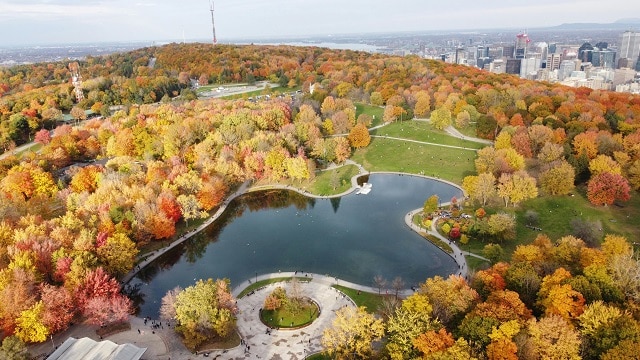
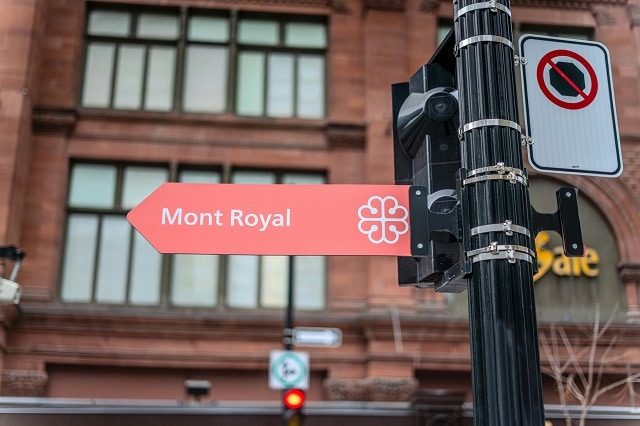
Mount Royal gives Montreal its name, and it’s the perfect escape when the city gets overwhelming. Frederick Law Olmsted designed this park—the same guy behind Central Park in New York—and you can feel that same thoughtful layout.
The Kondiaronk Belvedere is what everyone comes for. It’s this semicircular plaza with panoramic views of the downtown area and beyond. I hiked up on a clear day in July and could see for miles. The Montreal skyline with Mount Royal’s green space in the foreground is honestly stunning.
But the park offers way more than just the view. Beaver Lake (Lac-aux-Castors) transforms with the seasons. In summer, you can rent paddle boats. In winter, it becomes an ice rink where locals come to skate. The entire vibe changes—summer is all picnics and lounging, winter is active and energetic with cross-country skiing and snowshoeing.
I did the tam-tams on a Sunday afternoon, which is this weekly drum circle that happens near the George-Étienne Cartier Monument. Hundreds of people show up with drums, dancing, selling jewelry, just hanging out. It’s chaotic in the best way—very Montreal in its mix of cultures and casual vibe.
Saint Joseph’s Oratory sits on the mountain’s western slope. It’s one of the world’s major Catholic pilgrimage sites with a dome that’s only smaller than Saint Peter’s in Rome. Even if you’re not religious, the architecture and the views from up there are worth the visit. The sculpture garden on the grounds is peaceful and beautiful.
Winter Activities: Embrace the Cold
My February trip taught me that Montrealers don’t hibernate—they just adapt. The city comes alive in winter in ways I didn’t expect.
Ice skating happens everywhere. The Natrel Skating Rink in Old Montreal’s port area became my favorite spot. It’s refrigerated, so the ice is always good, and skating with the old city as your backdrop feels special. There’s a loop trail that goes under a bridge, which added this cool tunnel effect.
Beaver Lake on Mount Royal is the more natural option. It’s not refrigerated, so conditions vary, but skating on the mountain with the city below you hits different. Skate rentals are available, and there’s a warming chalet where you can grab hot chocolate.
Quartier des Spectacles has the Esplanade Tranquille skating rink, which is Montreal’s largest refrigerated outdoor rink. They do themed nights with DJs and light shows. I went on a Friday evening, and the whole thing had this party atmosphere despite being minus-15 Celsius.
The Underground City (RÉSO) saved me when temperatures dropped below minus-20. This network of climate-controlled tunnels connects metro stations, shopping centers, hotels, and office buildings across 33 kilometers. You can genuinely spend an entire day underground, hitting restaurants, shops, even museums without ever stepping outside. It’s surreal but brilliant.
The Food Scene: Beyond Poutine (But Also, Definitely Poutine)
Montreal’s reputation for food is deserved. The city punches way above its weight.
Poutine is non-negotiable. This is Quebec’s gift to the world: French fries topped with cheese curds and gravy. It sounds weird, looks messy, and tastes incredible. La Banquise is open 24/7 and has like 30 different poutine variations. I went classic on my first visit—regular fries, cheese curds, brown gravy. The key is the curds need to squeak when you bite them. That’s how you know they’re fresh.

The smoked meat sandwich is Montreal’s other signature dish. I hit Schwartz’s Deli on Boulevard Saint-Laurent—there’s usually a line, but it moves fast. They’ve been hand-slicing smoked meat since 1928. The sandwich comes on rye with mustard, and the meat is so tender it falls apart. It’s basically Canadian pastrami, and it’s ridiculously good.
But here’s what surprised me—Montreal’s food scene goes way deeper. The city’s French-Canadian roots mean you get phenomenal French bistros at reasonable prices. The Little Italy neighborhood around Jean-Talon has authentic Italian restaurants where pasta is made fresh daily. There’s a thriving Middle Eastern food scene, incredible Vietnamese pho, and emerging farm-to-table spots using Quebec ingredients.
The maple syrup thing is real, too. It’s not just for tourists. You’ll find it in cocktails, on breakfast tables, in desserts, even in savory dishes. Quebec produces 75% of the world’s maple syrup, and Montreal takes full advantage.
Fine Arts and Culture: Montreal’s Creative Pulse
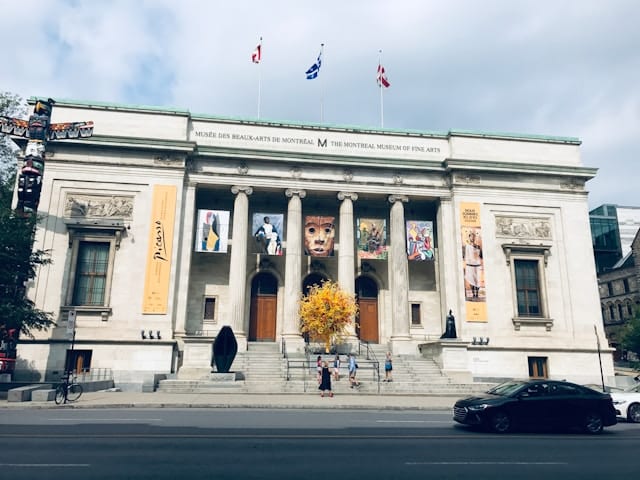
If you’re the type who loves to dive into a city’s creative side, Montreal will keep you busy for days. The Montreal Museum of Fine Arts is a true highlight—sprawling across several pavilions, it houses everything from Old Masters to cutting-edge contemporary pieces. I spent an entire afternoon wandering its galleries, getting lost among paintings, sculptures, and decorative arts from around the world. Don’t skip the museum’s outdoor Sculpture Garden, where more than 40 modern and contemporary works are scattered among leafy paths right in the heart of the city. It’s the perfect spot to take a breather and soak up some culture between sightseeing stops.
Of course, no visit to Montreal’s fine arts scene is complete without stepping inside the Notre-Dame Basilica. Even if you’ve already admired its Gothic Revival architecture, the AURA experience is something else entirely—a sound and light show that transforms the basilica’s interior into a living canvas. The way the stained glass and intricate woodwork come alive is genuinely mesmerizing, and it’s a reminder of how art and history are woven into the city’s fabric.
Montreal’s creative pulse doesn’t stop there. The Musée d’Art Contemporain is a must for fans of modern art, with rotating exhibitions that always seem to push boundaries. The McCord Museum offers a fascinating look at Montreal’s social history, while the Canadian Centre for Architecture is a dream for design lovers. Whether you’re into classic fine arts, bold new installations, or just want to wander a sculpture garden on a sunny afternoon, this city has you covered.
Neighborhood Exploration: Where the Real Montreal Lives
The Plateau neighborhood is where I’d live if I moved to Montreal. This area is known for its trendy atmosphere and vibrant street art, especially along Saint-Laurent Boulevard (also known as boulevard St Laurent), which is famous for its colorful murals and serves as a major cultural artery through the city. The neighborhood features the classic residential architecture you see in photos—colorful houses with outdoor staircases, tree-lined streets, and a general vibe that feels like a European neighborhood transplanted to North America.
Avenue du Mont-Royal is the main strip, closed to cars in summer so restaurant patios spill into the street. I spent hours just wandering, ducking into bookshops, grabbing coffee at tiny cafes, watching people. Parc La Fontaine is this beautiful green space with a pond where locals gather for picnics and free outdoor theater in summer.
Little Italy extends out from Jean-Talon Market, which is easily accessible from boulevard St Laurent. The architecture here tells stories of immigration—you’ve got these gorgeous early 20th-century buildings, Italian social clubs, bakeries making cannoli, churches with frescos. It feels genuinely Italian in a way that isn’t manufactured.
The Latin Quarter runs along Rue Saint-Denis. This vibrant neighborhood is known for its lively atmosphere, nightlife, and cultural significance. It’s the student quarter with cheap eats, independent cinemas, and a younger energy. I caught some live music here on a Thursday night at a venue so small I was basically sitting on the stage.
Montreal’s neighborhoods are characterized by their unique shops, cafes, and cultural spots. The best way to see the city is by exploring its neighborhoods on foot or by bike, allowing for a more intimate experience.
Shopping and Entertainment: Where Montreal Plays and Shops
Montreal’s shopping scene is as diverse as the city itself, and you don’t have to look far to find something unique. Start your retail adventure in the Underground City—a sprawling network beneath downtown Montreal that connects over 1,000 shops, restaurants, and even theaters. On a cold or rainy day, you can wander for hours without ever stepping outside, discovering everything from high-end boutiques to quirky local finds. It’s a distinctly Montreal experience, and a lifesaver during winter.
For a more local vibe, head straight to Jean-Talon Market. Even if you’ve already visited for the food, it’s worth another trip just to browse the stalls for local specialties—think maple syrup, fresh produce, and artisanal cheeses. Grab a smoked meat sandwich or a classic poutine from one of the food trucks, and you’ll see why this market is a favorite for both locals and visitors. The energy here is infectious, and it’s a great place to pick up edible souvenirs or just people-watch.
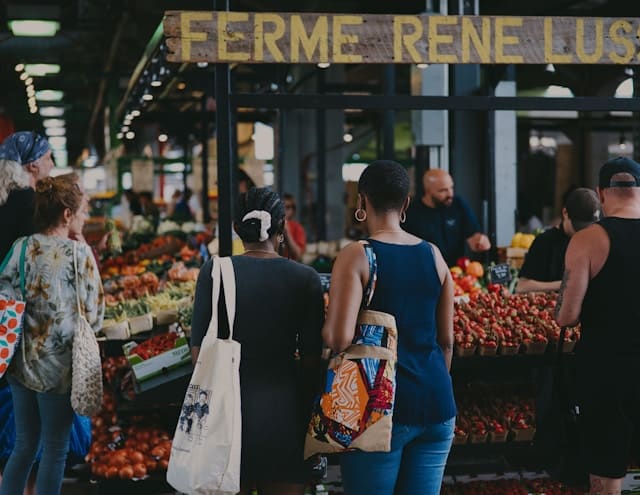
When the sun goes down, Montreal’s entertainment scene kicks into high gear. The Quartier des Spectacles is the city’s cultural playground, packed with theaters, concert halls, and bars. Whether you’re catching a live show, dancing to a DJ set, or just soaking up the festival atmosphere, there’s always something happening. If you’re feeling lucky, the Casino de Montréal offers a glitzy night out with gaming, live music, and panoramic views of the city skyline. No matter your style, Montreal’s downtown area delivers when it comes to shopping, nightlife, and pure fun.
Day Trips from Montreal: Beyond the Island
As much as I love exploring every corner of Montreal, sometimes it’s worth venturing a little further to see what else Quebec has to offer. Quebec City is the classic day trip—just three hours away by train, it feels like stepping into a storybook with its cobblestone streets, stone walls, and centuries-old city hall. The city’s fortifications, including the Citadelle and the Walls of Quebec, are a national historic site and offer sweeping views of the St. Lawrence River. Spend a day wandering the old town, sampling local specialties, and soaking up the European charm that makes Quebec City so unique.
If you’re craving more green space, Mont Royal Park (or Mount Royal, as locals call it) is always a good idea—even if you’ve already visited. The park’s hiking trails, picnic spots, and panoramic lookouts make it a perfect escape from the city centre, and each season brings a new reason to return. Don’t miss the Cross of Mount Royal or the historic Smith House for a deeper dive into the park’s history.
For something a bit different, consider a trip to Trois-Rivières. About an hour and a half from Montreal, this riverside town is packed with historic buildings, lively festivals, and a creative spirit all its own. Whether you’re catching live blues at the Trois-Rivières en Blues festival or exploring the city’s poetry scene, it’s a great way to experience Quebec’s culture beyond the big city. With so many options just a short drive or train ride away, you can easily turn your Montreal adventure into a true exploration of the entire region.
Staying Connected: The Practical Stuff
Montreal’s metro system is fantastic—clean, efficient, and well-connected. I bought a 3-day pass for around C$20 and used it constantly. The metro stations themselves are works of art, with different architectural styles at each stop.
The city is extremely walkable, especially in summer. I covered Old Montreal, the downtown area, and Mile End entirely on foot over a few days. Bixi is the bike-share system if you want to move faster—stations are everywhere, and it’s cheap.
For staying connected, I learned the hard way that roaming charges from my Australian carrier were insane. On my second trip, I picked up a Canadian eSIM from BazTel before leaving Sydney. It worked perfectly—I had data for maps, restaurant research, sharing photos, all without worrying about finding WiFi or paying extra cost for international roaming.
Language-wise, Montreal is genuinely bilingual. Most people speak both English and French. I tried to use basic French phrases (bonjour, merci, s’il vous plaît), which people appreciated, but everyone switched to English when they heard my accent. The effort matters more than the execution.
When to Visit: Montreal Check the Seasons
I’ve now visited in both winter and summer, and they’re completely different experiences.
Summer (June-August) is festival season. The city hosts the International Jazz Festival, Just for Laughs comedy festival, and dozens of other events. The weather is beautiful, patios are packed, and the whole city feels alive. This is when to enjoy Montreal’s outdoor activities, bike everywhere, and experience that European sidewalk cafe culture.
Winter (December-March) is for people who want to really experience Montreal, not just visit it. Yes, it’s cold—like, minus-20 with windchill cold. But the city doesn’t slow down. Winter activities multiply, the Underground City makes perfect sense, and you get Montreal without the tourist crowds. Plus, hotel prices drop significantly.
Spring and fall are shoulder seasons with fewer visitors and good weather. Fall is particularly beautiful when the trees on Mount Royal change colors.
How Long Should You Stay in Montreal?
Three to four days is the sweet spot for a first visit. That gives you:
- One full day for Old Montreal and the old port area
- One day for neighborhoods (Plateau, Mile End, Little Italy)
- One day for Mount Royal, markets, and museums
- Flexibility for weather or just wandering
I’ve done weekend trips that felt rushed and week-long stays where I really got to know the city. Four days hits that perfect balance where you see the major stuff but don’t feel like you’re checking boxes.
If you’re combining Montreal with Quebec City (which makes sense—it’s only 3 hours away by train), split your time 3 days Montreal, 2 days Quebec City. Many major cities offer tons to see, but Montreal has this unique mix where you want time to just exist there, not just see things.
What Makes Montreal Special
Visiting Montreal reveals a city that refuses to pick a lane. It’s French but North American. Has history but modern. Sophisticated but unpretentious. The city celebrates its New France heritage while being thoroughly multicultural. It’s cold as hell in winter but bursts with energy, not despite the weather but because of it.
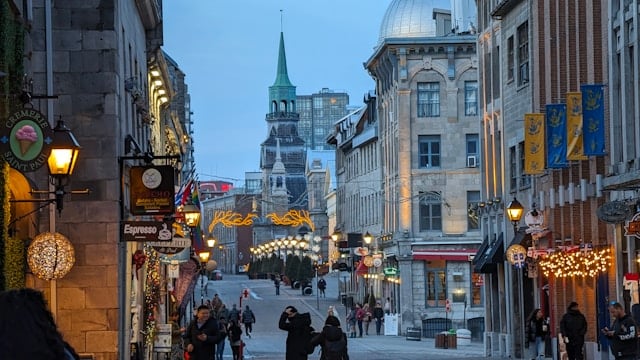
The Montreal Museum of Fine Arts, the city’s largest museum, features a wide range of art collections and is a must-see for art lovers. Notre-Dame Basilica is one of the most iconic landmarks in Montreal, renowned for its stunning architecture and historical significance.
Walking around, you’ll notice how locals actually live in the city center. These aren’t just tourist neighborhoods—people raise families in the Plateau, shop at Jean-Talon, use the metro stations daily. That authenticity is rare in major cities.
The food culture is legit. When a city has people lining up in minus-15 weather for bagels or debating which smoked meat spot is superior, that tells you something. Montreal doesn’t just have good restaurants—it has food culture baked into its identity.
And the way the city handles seasons impressed me. Rather than surrendering to winter, Montreal builds its calendar around it. Ice rinks pop up everywhere. Festivals continue. The Underground City turns brutal cold into an architectural solution. It’s adapted to its environment instead of fighting it.
Final Thoughts
Montreal isn’t the easiest city to explain to people who haven’t been. The “European feel” descriptor is lazy but also sort of accurate. The French-Canadian culture is real but welcoming to outsiders. The food reputation is justified. The winter is harsh but manageable and even enjoyable if you dress right.
What I keep coming back to is how the city feels lived-in and loved by the people who call it home. Tourism happens here, obviously, but it doesn’t define the place. You’re visiting someone’s actual neighborhood, eating at restaurants locals visit, shopping at markets where Montrealers get their groceries.
Whether you come for a long weekend or an entire week, whether you visit in summer’s festival season or winter’s deep freeze, Montreal will show you something you haven’t experienced before. It’s a great city that doesn’t try too hard—it just is what it is, and that turns out to be pretty damn special.
Start in Old Montreal to understand where it all began. Head straight to Jean-Talon Market to see where it lives today. Grab a bagel in Mile End, eat poutine somewhere (anywhere), skate on an ice rink or two, climb Mount Royal for the view, and spend time just wandering neighborhoods. That’s Montreal. That’s what you came for.
Stay connected, stay warm (or cool, depending on season), and enjoy Montreal for what it is—one of North America’s most interesting, most livable, and most underrated cities. Trust me, your next visit will come sooner than you think.

Blog Author
Peter
I'm Peter, the founder of BazTel. I built this company at the intersection of two things I know well: finance and travel. Before starting BazTel, I worked in investment analytics at State Street, one of the world's largest custodian banks, and later at TCorp, the New South Wales Government's investment…


