Botswana
 Zambia
 Congo
Congo Colombia
 China mainland
 Chile
Chile Chad
Chad Central African Republic
 Canada
 Cameroon
 Cambodia
 Burkina Faso
 Bulgaria
 Brunei Darussalam
 Brazil
 Aland Islands
 Bosnia and Herzegovina
 Bolivia
 Belgium
 Belarus
 Bangladesh
 Bahrain
 Azerbaijan
 Austria
 Australia
 Armenia
 Argentina
 Algeria

The plane touches down at Changi a little after midnight. My phone is already searching for a network before I have even unbuckled. That is the moment an eSIM either pays for itself or lets you down. After landing in Singapore more times than I can count, comparing the best eSIM for Singapore has basically become a side hobby of mine.
It sits somewhere between my day job in finance and my obsession with telecom networks. This guide walks through everything I have learned. Which Singapore eSIM works best, how the pricing stacks up against a tourist SIM card at Changi Airport, and what I actually look for before clicking buy on a plan.
I will cover the best eSIM for Singapore options on the market right now. You will see how they compare on price and data, and what coverage looks like across Singtel, StarHub and M1. Installation has also changed dramatically since the QR code days. By the end you will know exactly which Singapore eSIM plans fit your trip. That holds whether you are stopping over for one night or settling in for a month.
Quick answer if you are short on time: the best eSIM for Singapore is BazTel. It offers competitive prices across every Singapore eSIM plan I compared. There is a one dollar entry point for a short trip, plus great value 5 GB to 20 GB tiers backed by 24/7 support.
If you have visited Singapore before and are now combining it with a trip through several countries nearby, such as Malaysia, an Asia regional eSIM plan can simplify your data setup across borders, and this detailed guide is also for you. It covers data roaming, the cheapest eSIM options, and how to keep fast and reliable connectivity throughout your stay without losing money to roaming fees.
Why I Stopped Buying SIM Cards at Changi Airport
I used to do what most tourists do. Land, walk past the luggage belt, and join a queue at a SIM card counter without a second thought. The first time I bought a tourist SIM card at Changi Airport, I paid close to fifty Singapore dollars for a plan I barely touched. Singtel, StarHub and M1 all run counters in the arrival halls.
They will happily sell you a hundred gigabytes of data and a stack of roaming minutes you will probably never use. The convenience is real, but so is the markup. A Singtel SIM card with similar data costs roughly half as much in a city centre store as it does at the airport. Most travellers simply do not have time to go looking for one after a long flight.
That price gap is exactly why I switched to an eSIM for Singapore on every trip since. There is no physical SIM card to fumble with and no passport check at a counter. You buy online before you fly, the eSIM sits ready on your phone, and it activates the moment you land. I have used this approach on short trips, on visa runs through Singapore between Bali and Kuala Lumpur, and on longer stays where I needed unlimited data for client calls back home.
Singapore eSIM Network Coverage: What to Expect
What surprised me the most, looking at this from a finance angle, is how consistently eSIMs for Singapore beat physical SIM cards on pure value. Singapore’s mobile networks are excellent. The country has practically blanket 4G and 5G coverage, and there are no 2G or 3G networks left to fall back on. That means you do not need a better network so much as a good enough one at the right price.
The calculation changes completely once you accept that. Instead of paying a premium for a brand name carrier, compare eSIM providers purely on price per gigabyte, support quality, and how painless installation actually is, whether you are looking at Singapore or a destination like the USA where a dedicated eSIM for USA can beat roaming fees by a wide margin.
This guide focuses on that decision. Which best eSIM for Singapore option genuinely earns its place in your phone, not which one has the biggest marketing budget. I will be upfront that I work in the eSIM industry myself. So I will flag where I think a provider falls short, as well as where it shines. A one sided comparison is not useful to anyone trying to plan a trip.
Best eSIM for Singapore: How the Top Providers Compare
There is no shortage of choice when you search for the best eSIM for Singapore. New eSIM providers seem to launch every few months. Most of them claim the same things: instant activation, wide coverage, no hidden fees. The real differences show up once you compare actual prices for the same amount of data and the same duration on the same network access.
Emerging trends like instant activation and 5G eSIM access are now standard across most serious providers. The gap between options today comes down to price, support and the installation experience rather than the underlying technology.
BazTel: Pricing, Network and What You Actually Get
I will declare my interest here. I work at BazTel, an Australian eSIM provider, and I helped build out our Singapore eSIM plans. So take this section with that context in mind. I have checked the competitor pricing line by line, as of June 2026. What I can say with confidence is that BazTel’s Singapore eSIM plans are priced to undercut the bigger names. They do this without cutting corners on network access.
A 5 GB plan on BazTel runs six dollars USD. Compare that with ten dollars USD on Airalo and $9.99 USD on Saily for the same data allowance. At 10 GB, BazTel sits at ten dollars USD against sixteen dollars USD on Airalo and $15.99 USD on Saily. The gap narrows a little at 20 GB: eighteen dollars USD on BazTel versus twenty-three dollars USD on Airalo and $22.99 USD on Saily. BazTel remains the cheaper option at every tier I checked, all valid for 30 days on the Singtel network.
If you only need to test the waters, BazTel also sells a one dollar USD plan with 1 GB of data. It is genuinely useful for a short trip layover where you just need maps and messaging for a few hours. Every BazTel eSIM plan comes with 24/7 customer support, a refund if you are not satisfied, and what we call a trip cancellation guarantee. If your travel plans fall through, you are not stuck paying for data you will never use. None of that replaces doing your own comparison, though. Here is how the rest of the eSIM providers stack up.
Airalo, Saily and the Established Names
Review of Airalo
Airalo is the name most people recognise first, and for good reason. It is one of the most widely used travel eSIMs in the world, with a huge range of country and regional plans. For Singapore specifically, Airalo’s 20 GB plan costs around $22 USD and is valid for 15 days, connecting to the Singtel network. The Airalo app itself is a genuinely good app. It has a clear data usage tracker and an easy way to top up if you are running low. Where Airalo loses ground is price. Across nearly every plan size, it costs more per gigabyte than several competitors, including BazTel.
Review of Saily
Saily, built by the team behind NordVPN, takes a slightly different approach with a daily high speed allowance rather than a hard data cap. Its plans throttle down to 1 Mbps once you exceed the daily limit rather than cutting you off entirely. It also bundles in some genuinely useful security extras, like an ad blocker and web protection.
For Singapore, Saily connects reliably across the Central Business District, Marina Bay, and Changi Airport itself. Its 20 GB plan runs about $22.99 USD for 30 days. It is a strong unlimited data eSIM option if you do not want to think about caps at all. The security extras do add a bit to the price, though.
Other Players in Market
A few other names come up constantly in any eSIM Singapore comparison. Ubigi sells a 10 GB plan for $11 USD valid for 7 days. That is a fair budget pick for a short trip if you do not mind a fixed data ceiling. SimOptions, on the other hand, sells a 7 day unlimited data eSIM for around $14.90 USD. It works out cheaper than most fixed data plans of similar size if you genuinely use a lot of data. Holafly sits at the premium end, with a 7 day unlimited data eSIM priced around $27.30 USD.
It is reliable, but you are paying a noticeable premium for the unlimited label compared with SimOptions or BazTel’s own plans. Airhub’s 22 GB plan at roughly $19.50 USD for 30 days is another reasonable middle ground option if neither unlimited nor the cheapest fixed plan suits your trip.
eSIM vs Physical SIM Cards: Which Actually Wins in Singapore
This is one of the questions I get asked the most. Usually it comes from people who have never used an eSIM before and are not sure if it is worth the switch. The short answer: for nearly every tourist visiting Singapore, an eSIM beats a physical SIM card on price, speed of setup, and overall hassle.
When to Choose a Physical SIM Card in Singapore
Tourist SIM cards at Changi Airport typically start around $25 USD and go up from there. You will need your passport for registration. You will join whatever queue forms at the counter, and you will often be pushed toward a bigger bundle than you actually need.

A local SIM card does have one real advantage: it can include a local phone number and local calls, which an eSIM generally cannot. Most eSIMs for Singapore are data only. If you need to receive calls on a Singapore number for work or a hotel booking, a physical SIM card might still make sense.
Benefits of Using an eSIM in Singapore
For everyone else, the case for an eSIM Singapore plan is straightforward. You buy an eSIM online before you fly, while you are still on reliable WiFi at home. It is installed in minutes, sits dormant on your phone, and activates the moment you connect to a Singapore network. There is no queue and no store to find. You also keep your existing SIM active for calls and SMS, since most modern phones support running a physical SIM and a digital SIM side by side.
The other point worth making, because it gets lost in most comparisons, is that an eSIM does not cost you anything in flexibility. If you are combining Singapore with a side trip to Malaysia, you can simply buy a regional plan that covers several countries or choose a dedicated eSIM for Malaysia if you plan to spend more time there. Or pick up a second country specific eSIM and switch between profiles in your phone settings without removing anything. Try doing that with a stack of physical SIM cards and you will understand why most experienced travellers I know have made the switch.
If your phone is older, or you have checked and it is not eSIM compatible, a physical SIM card remains a perfectly fine fallback, and the same logic around pricing and convenience applies when you look at how to buy and activate an eSIM in Singapore versus a traditional tourist SIM. I would not talk anyone out of it. But for anyone with a phone from roughly 2019 onward, an eSIM for Singapore is more convenient, usually cheaper, and frankly less stressful.
How to Install Your Singapore eSIM Without a QR Code
Installation is where most eSIM providers still lag behind. The standard process across the industry involves scanning a QR code. That sounds simple enough, until you are trying to photograph a code on one screen while holding your phone in the other hand. Your WiFi connection inevitably drops out at the worst moment. It works, but it is clunky. I have watched enough friends struggle with it at airports to know it is not as foolproof as providers claim.
BazTel does this differently, and it is honestly the reason I push this point so hard in every comparison I write. Once you have completed your purchase through BazTel, your new eSIM appears automatically on your online dashboard. From there you choose the installation button that matches your device, one for iPhone and one for Android.
Your eSIM installs directly onto your phone. No QR code, no separate app download, no scanning anything. It is the kind of detail that does not sound like much until you are standing in an arrivals hall, trying to get connected with one bar of WiFi and a stack of luggage.
Installing on iPhone
Log into your BazTel dashboard after purchase and find your Singapore eSIM. Tap the iPhone installation button. Your phone handles the rest, adding the eSIM profile directly through iOS without you needing to open the Camera app or hunt for instructions in your inbox, much like the standard steps you would follow when learning how to activate eSIM on iPhone.
Installing on Android
The process mirrors the iPhone version. Open your dashboard on the Android device you want to use and select the Android installation option. The eSIM installs straight onto your phone. As with most Android eSIM setups, confirm data roaming is switched on for that line once you land, so it connects to a local network without delay.
Whichever eSIM provider you go with, one habit is worth keeping. Install your eSIM a day or two before you fly, while you are still on a stable home WiFi connection. Most eSIM plans only start counting validity once you actually connect to a network in Singapore. Installing early costs you nothing, and it saves you from doing it under pressure at the airport, fumbling with instructions while everyone behind you waits.
Network Coverage and Data Speeds Across Singapore
Network Coverage
Singapore makes this part of the decision easier than almost anywhere else I have travelled. The country runs on Singtel, StarHub and M1, all offering excellent coverage with strong 4G and 5G signal across the island. There are no 2G or 3G networks left to worry about falling back on. Whether you are underground on the MRT, inside a shopping mall on Orchard Road, or walking along Marina Bay at night, the connectivity is consistent and reliable almost everywhere. That holds even in older shophouse districts where signal can be weaker in other countries.

This matters because it changes how you should weigh network against price when comparing eSIM plans for Singapore. In a large country with patchy rural coverage, picking the right carrier partner is critical. In Singapore, all three networks perform well enough that the difference rarely affects day to day use, things like navigation, ride hailing apps, and messaging.
That is why I weight price and support more heavily than network branding when I am recommending the best eSIM for Singapore. It is also why I do not think it is worth paying a premium purely for a provider that name drops Singtel over StarHub.
Data Speed
Speed test results do vary by eSIM provider, sometimes more than people expect, and digging into an independent Airalo eSIM review or similar comparisons can highlight how pricing and performance differ in real use. Average download speeds range widely depending on network congestion and how a provider routes its traffic.
In my own testing, I have had a noticeably faster connection on some unlimited data plans than on certain fixed data competitors charging similar prices. That is a reminder to look past the headline data allowance and check independent speed comparisons before you commit.
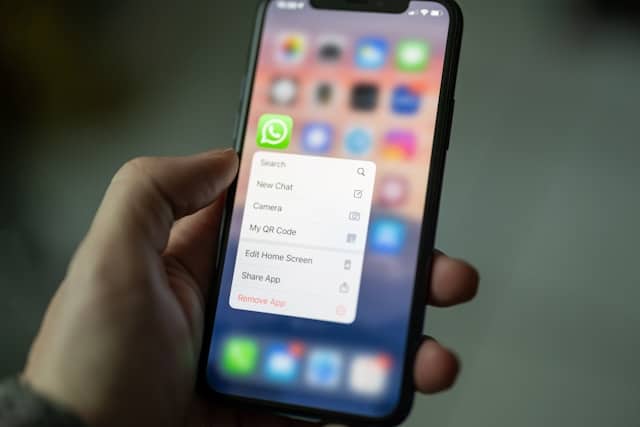
For most travel use cases, even modest speeds are more than enough. You do not need blazing 5G to load Google Maps or send a WhatsApp message from a hawker centre table. It is still worth knowing what you are paying for. As of June 2026, Singapore remains one of the most affordable countries in the world to stay connected. It ranks among the cheapest of most countries for mobile data, according to several travel eSIM price trackers.
Quick Facts: eSIM for Singapore at a Glance
• An eSIM for Singapore gives you internet access the moment you land. No need to buy a SIM card at a counter or store.
• Most travel eSIMs for Singapore are data only, so you keep your existing number active for calls while the eSIM handles mobile data.
• BazTel’s Singapore eSIM plans are activated immediately once you connect to a local network. No QR code is required during installation; the eSIM is installed straight from your online dashboard.
• Singapore eSIM plans connect to Singtel, StarHub or M1, all offering excellent signal and wide coverage across the country.
• If you are travelling through several countries near Singapore, a regional eSIM can save you from having to purchase and install a separate eSIM in each country.
• For most short trips, a 5 GB to 10 GB plan is highly recommended, with top ups available through several providers if you run low on data.
• Buying a SIM card in person still works if your phone is not eSIM compatible. It rarely beats the convenience or support of an eSIM provider’s app and dashboard, though.
A Note on Apps, Dashboards and Staying Connected
Plenty of eSIM providers want you to download an app before you can do anything at all. Airalo, Holafly and Saily each run their own app. Once it is installed, you can track your remaining data, buy a new eSIM, or top up an existing plan without leaving the app. BazTel skips the app entirely. Everything happens through the dashboard in your browser, so there is nothing extra to download or keep updated on your phone.
Once your eSIM is installed and your phone shows you are connected to a Singapore network, the app debate becomes mostly academic. Both approaches get you online and connected. One just adds another app to your home screen, and the other does not.
Common Questions About eSIMs in Singapore
Which eSIM is best for Singapore travel?
For most travellers, the best eSIM for Singapore comes down to balancing price, data allowance and support. Based on the pricing comparison above, BazTel offers the lowest cost per gigabyte across the 5 GB, 10 GB and 20 GB tiers I checked. Support runs 24/7, and there is a refund guarantee. If you specifically want unlimited data with no cap to monitor, SimOptions or Saily are worth considering instead, and a detailed Saily vs Airalo comparison can help you decide which style of plan suits your trip even though they cost more for short stays.
Is eSIM good in Singapore?
Yes. Singapore’s network infrastructure is excellent, with island wide 4G and 5G coverage on Singtel, StarHub and M1, and no 2G or 3G fallback to worry about. An eSIM activates as soon as you land. It costs less than most tourist SIM cards at Changi Airport, and it avoids the queue at an arrivals hall counter entirely.
Is Airalo or Simify better?
It depends on your trip length and how much data you need. Airalo tends to be the cheaper, simpler choice for short trips with light data use, and its app includes a useful auto refill and data tracker. Simify started out shipping physical SIM cards before moving into eSIMs.
It generally suits longer stays or heavier data use better, since several of its plans include unlimited data with daily resets. For a quick Singapore city break, Airalo’s fixed plans are usually the more cost effective pick. For an extended stay or a multi country itinerary, Simify’s unlimited options can work out cheaper overall.
Which SIM card is best for tourists in Singapore?
If you specifically want a physical SIM card rather than an eSIM, M1 and StarHub typically offer better value than Singtel for tourist plans. Both have counters at Changi Airport. That said, best depends on whether you need local calls and a local phone number. If you are purely after mobile data, an eSIM for Singapore will almost always work out cheaper. It is faster to set up than queuing for a tourist SIM card on arrival.
Do I need a local phone number in Singapore?
Most visitors do not. Apps like WhatsApp, Grab and Google Maps all run on data alone. Your existing number stays reachable through those same apps over WiFi or your data plan. Unless you specifically need to receive calls or SMS from a Singapore landline or business, a data only eSIM covers nearly everything. That holds for a short trip or a medium length stay.
Can I top up my Singapore eSIM if I run out of data?
This depends on the provider. BazTel and Airalo both support topping up an existing eSIM if your data runs low partway through your trip. Some smaller providers, including Simify, currently do not offer top ups and instead require purchasing a fresh plan. If running close to your limit mid trip is a realistic concern for you, check a provider’s top up policy before you buy. Do not wait until you are already in Singapore.
How much data do I actually need for a week in Singapore?
For most travellers relying on maps, messaging, social media and the occasional Grab booking, 5 GB to 10 GB comfortably covers a week long trip. If you plan on hotspotting a laptop, streaming video, or working remotely from a cafe near Orchard Road, step up to a 20 GB plan, or go unlimited. That way you are not watching your data meter every evening.
Is it cheaper to buy an eSIM before I arrive or wait until I land?
Buying in advance is almost always the better move. You will pay the same price either way in most cases. But ordering before you fly means the eSIM is already installed and tested by the time you land. Your validity period only starts once you connect to a Singapore network, so there is no downside to getting it sorted early.
My Final Recommendation for Singapore
I compared prices, coverage and the actual installation experience across more than a dozen providers. My recommendation comes down to matching the plan to your trip. Do not chase a single best label. For most travellers visiting Singapore on a short trip, a 5 GB to 10 GB plan covers maps, messaging, ride hailing and social media comfortably.
BazTel’s pricing at six dollars USD for 5 GB, or ten dollars USD for 10 GB, beats Airalo and Saily at the same tiers. It still runs on the reliable Singtel network. If you genuinely use a lot of data, whether for work calls, streaming or constant hotspotting, an unlimited data option removes the need to think about a cap at all. SimOptions or Saily both fit that brief. You will pay more for that peace of mind.
What I would avoid, based on everything in this comparison, is defaulting to a tourist SIM card at Changi Airport out of habit. The convenience of buying on arrival does not outweigh the markup you are paying. Installation for the best eSIM providers is genuinely instant now. BazTel’s dashboard based, no QR code setup removes the last real friction point that used to make eSIMs feel complicated.
Singapore’s network coverage is strong enough across Singtel, StarHub and M1 that you do not need to overthink the carrier question. Focus instead on price per gigabyte, whether the provider supports top ups, and how easy installation actually is before you fly. Whichever Singapore eSIM you choose, install it a day or two ahead of departure and confirm data roaming is switched on for that line.
You will be online the moment your plane touches down at Changi Airport, without a queue, a passport check, or a single QR code in sight. If you want to compare current pricing directly, BazTel’s eSIM for Singapore plans start from one dollar USD. That is as good a place as any to start your own eSIM comparison before your next trip.

Blog Author
Peter
I'm Peter, the founder of BazTel. I built this company at the intersection of two things I know well: finance and travel. Before starting BazTel, I worked in investment analytics at State Street, one of the world's largest custodian banks, and later at TCorp, the New South Wales Government's investment…