Botswana
 Zambia
 Congo
Congo Colombia
 China mainland
 Chile
Chile Chad
Chad Central African Republic
 Canada
 Cameroon
 Cambodia
 Burkina Faso
 Bulgaria
 Brunei Darussalam
 Brazil
 Aland Islands
 Bosnia and Herzegovina
 Bolivia
 Belgium
 Belarus
 Bangladesh
 Bahrain
 Azerbaijan
 Austria
 Australia
 Armenia
 Argentina
 Algeria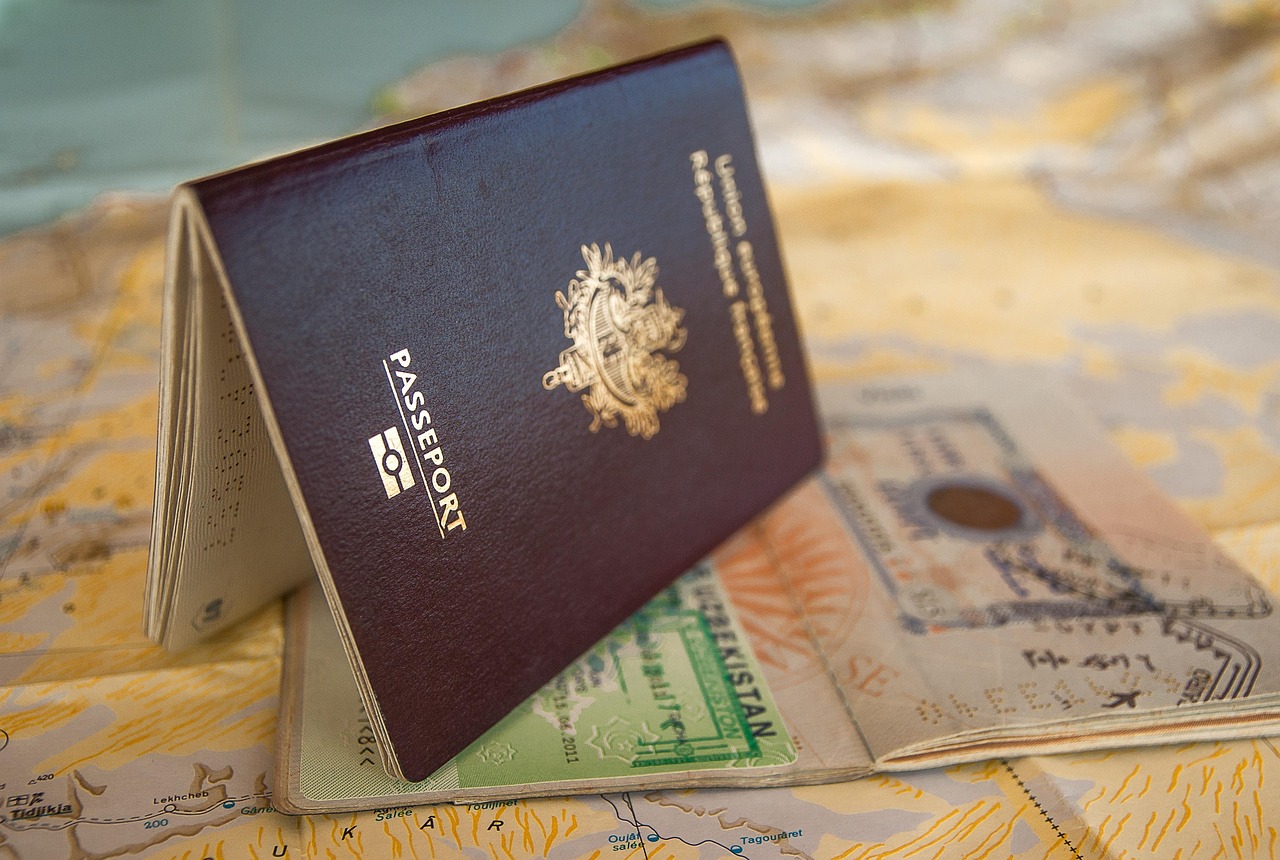

Last month, I sat at Sydney Airport watching a couple frantically scroll through their phones. Their Bali flight was boarding in twenty minutes, and they’d just discovered their passport had a small water stain from a coffee spill three weeks earlier. The airline refused to let them board. Their whole holiday, gone.
This scene plays out more often than you’d think. Indonesian authorities have become incredibly strict about entry requirements, and what might seem like minor details can derail your entire trip before it starts. After working in finance for years and travelling to Bali dozens of times, I’ve learned these requirements the hard way so you don’t have to.
Here’s everything you need to know about Bali visa requirements in 2026, written from someone who makes this journey regularly and has seen it all.
Do I Need a Tourist Visa for Bali?
Let me answer this straight away: yes, Australian citizens need a visa to enter Bali. There’s been confusion about this because Indonesia has discussed waiving visa fees for Australians, but as of January 2026, that hasn’t happened yet.
The Indonesian government proposed adding Australia to a list of 20 countries eligible for visa-free entry back in December 2023. Tourism officials keep saying it’s in the “final stages,” but Australian travellers still need to pay for a Visa on Arrival. Don’t believe the headlines that suggest otherwise. Check the official e-visa website before you travel. If your trip includes other destinations, especially in Europe, consider using one eSIM across multiple European countries for seamless mobile connectivity during your travels.
The good news is that getting a Bali visa is straightforward if you know the system. Most travellers need either a Visa on Arrival (VOA) or an electronic Visa on Arrival (e-VOA). Both cost approximately AUD $50 and allow you to stay for 30 days. You can extend either option once for another 30 days, giving you up to 60 days total in Indonesia. If you’re also planning to visit the Philippines, be sure to review the eTravel Philippines: Understanding Travel Procedures for the latest entry requirements.
Understanding Your Bali Visa Options
The Visa on Arrival (VOA) vs e-VOA
Both visa types cost IDR 500,000 (approximately AUD $50) and provide identical entry permissions. The difference is when and where you pay.
The traditional VOA is purchased at designated payment counters when you arrive at Denpasar International Airport (Bali’s main airport, coded DPS). You’ll see the counters before immigration. The process takes about 10-15 minutes during quiet periods, but can stretch to an hour or more when multiple flights arrive simultaneously. If you’re a traveler looking for convenient mobile connectivity during your trip, consider activating and setting up an eSIM before your journey.
The e-VOA is essentially the same visa, but you apply online through the official Indonesian immigration website at least 48 hours before your flight. You receive your approved e-visa via email as a PDF document with a QR code. At Bali’s airport, you show this QR code and skip the payment queues entirely.

I always use the e-VOA now. Arriving in Bali after a 6-hour flight from Sydney, the last thing you want is to stand in another queue. Apply online, save the PDF to your phone, and you’re through immigration in minutes.
One important note: some airlines check for visa confirmation before letting you board in Australia. While you can legally purchase a VOA on arrival, airline staff might not board you without proof. Having an e-VOA eliminates this risk entirely.
Critical Entry Requirements You Cannot Ignore
Getting your visa sorted is just the first step. Indonesian authorities enforce several other entry requirements with zero tolerance. These aren’t suggestions—they’re absolute requirements that determine whether you enter Bali or get sent home.
Passport Validity: The Six-Month Rule
Your Australian passport must be valid for at least six months from your date of arrival in Bali. Not six months from when you leave—six months from when you arrive. This is non-negotiable. Indonesian authorities refuse entry if your passport expires even a day before that six-month mark.
I’ve seen people arrive with passports showing 5 months and 29 days of validity. They’re denied entry and put on the next flight home. Check your passport expiry date today, not the day before your flight.
You also need at least one blank page for visa stamps. Two blank pages is recommended to avoid complications. The blank pages must be actual visa pages, not the amendment pages at the back of newer Australian passports.
Damaged Passport: The Most Common Travel Disaster
This is where most Australian travellers get caught. Indonesian authorities have strict standards for passport condition, and what you consider normal wear and tear could get you refused entry into Indonesia.
Water damage, minor tears, bent covers, loose pages, ink marks, or any visible damage to your passport can result in denied boarding from Australia or refused entry at Bali’s airport. The couple I mentioned earlier? Their small water stain qualified as “damaged” under Indonesian immigration rules.
The Australian government warns that Indonesian authorities consider the following as damaged: tears or rips to any page (especially the photo page), water damage affecting text or images, faded photos, marks across your photo or the Machine Readable Zone, removed pages, signs of alteration or tampering, and separation of the passport cover from the pages.
Airlines face fines of up to USD $5,000 for each passenger they transport who gets denied entry due to a damaged passport. Because of these tough penalties, airline staff now examine passports thoroughly at check-in. They’re looking for any excuse to deny you boarding rather than risk the fine.
Check your passport carefully under good light. Look for any damage, however minor it seems. If you have any doubts, apply for a replacement passport immediately. Australia’s passport office offers priority processing for urgent travel plans. Don’t risk your holiday on a maybe.
Recent policy updates now allow entry with emergency or temporary passports for the Visa on Arrival, which at least gives you a backup option if your regular passport is damaged close to your travel date. But getting an emergency passport is stressful and expensive—far better to check your passport condition weeks before you fly.
New September 2025 Requirements: The All Indonesia Declaration Card
From September 1, 2025, Indonesia introduced a mandatory digital declaration system that every international visitor must complete. It’s called the All Indonesia Declaration Card (or All Indonesia Arrival Card), and it replaced three separate forms that used to be required.
This isn’t your visa. It’s a separate free requirement that combines your customs declaration, health declaration, and immigration information into one online form. You must complete it within 72 hours (3 days) before your arrival in Indonesia.
The process is straightforward. Visit the official website at allindonesia.imigrasi.go.id and enter your passport details, flight information, accommodation address, travel plans, and customs information. The form asks about recent travel history (countries visited in the past 21 days), any health symptoms, and whether you’re carrying items that need declaration.
After submitting the form, you receive a QR code via email. Save this QR code to your phone—screenshot it or download the PDF. You’ll need to show it at immigration when you arrive at Bali’s airport. The immigration officer scans your QR code, and that’s it.
Beware of scam websites charging fees for this free service. The only official website is allindonesia.imigrasi.go.id. Don’t pay anyone to complete this form for you. It takes five minutes and costs nothing.
If you somehow forget to complete the declaration card before your flight, don’t panic completely. While it’s officially required, enforcement is still being rolled out. However, completing it in advance saves potential hassles and shows you respect Indonesian entry requirements. The local authorities are clear that this requirement applies to everyone, including children and infants.
The Bali Tourist Tax: IDR 150,000 Everyone Must Pay
On top of your visa fee, all foreign tourists entering Bali must pay a tourist levy of IDR 150,000 (approximately AUD $15 or USD $10). The Balinese government introduced this tourist tax in February 2024 to fund cultural preservation and environmental protection across the island.
This tourist levy is separate from your visa. You pay IDR 150,000 per person, per entry into Bali. If you leave Bali to visit the Gili Islands or Java and then return to Bali, you technically should pay again (though enforcement on this varies).
The easiest way to pay is online through the official Love Bali website at lovebali.baliprov.go.id before your trip. Enter your passport details and arrival date, pay via credit card, and you’ll receive a QR code voucher by email. Keep this QR code on your phone to show when you arrive.
You can also pay at designated payment counters at Bali’s airport or seaports, but this creates another queue when you arrive. Pay online in advance and skip the hassle.
Watch out for scam websites charging triple the official fee. Some fake sites charge AUD $45 when the real fee is only AUD $15. Only use the official website: lovebali.baliprov.go.id.
The Balinese government conducts random checks at tourist attractions and hotels. If you haven’t paid the tourist tax, you’ll be required to pay on the spot. While enforcement isn’t yet universal, showing your payment QR code demonstrates respect for local regulations and supports Bali’s cultural and environmental programs.
Proof of Onward Travel: The Forgotten Requirement
Indonesian immigration requires proof that you’ll leave Indonesia within your visa validity period. For the standard 30-day VOA or e-VOA, you need evidence of onward travel within 30 days of arrival.
This can be a return flight booking to Australia, a flight to another country, or even a ferry ticket to another Indonesian island. Immigration officers don’t always ask, but they can, and if you don’t have proof, they can refuse entry.
Airlines are even stricter about this. Check-in staff regularly ask to see your onward flight booking before issuing your boarding pass. Without proof of onward travel, many airlines won’t let you board the flight to Bali.
If you’re planning to extend your visa or your travel plans are uncertain, book a refundable flight or use a service that provides temporary flight reservations. Don’t try to wing it. The risk of being denied boarding or entry isn’t worth saving a few dollars.
Visa Types Explained: Choosing the Right Option
Most Australian travellers use the Visa on Arrival, but Indonesia offers several visa types depending on your planned activities and length of stay.
Standard Visa on Arrival (B1 Tourist Visa)
Cost: IDR 500,000 (approximately AUD $50)
Duration: 30 days
Extension: Can be extended once for another 30 days (total 60 days maximum)
This is the visa 97 countries, including Australia, can use. It’s valid for tourism, family visits, social visits, buying goods, attending business meetings, and transit. You cannot work on this visa, even remotely.
The visa is single entry, meaning if you leave Indonesia and return, you need a new visa. Your 30 days starts from your date of arrival, not from when you paid for the visa.
To extend your Visa on Arrival, you must visit the immigration office in the area where you’re staying before your initial 30 days expires. The extension costs approximately IDR 500,000 (another AUD $50) and takes 3-7 working days to process. Many travellers use visa agents to handle the extension process, which costs extra but saves multiple trips to the immigration office.
Visa-Free Entry (ASEAN Citizens Only)
Citizens of ASEAN countries (Brunei, Cambodia, Laos, Malaysia, Myanmar, Philippines, Singapore, Thailand, Vietnam, and Timor Leste) can enter Bali visa-free for up to 30 days. This is also available to citizens of Brazil, Turkey, Hong Kong, Colombia, and Suriname.
Australian citizens are not eligible for visa-free entry, despite ongoing discussions about adding Australia to this list. Don’t believe social media posts suggesting otherwise—always check the official e-visa website for current rules.
Visit Visa (B211A) for Longer Stays
If you’re planning to spend time in Bali beyond 60 days, you need a Visit Visa (also called the B211A visa). This visa must be applied for before you arrive in Indonesia through an Indonesian embassy or through a visa agent.
The Visit Visa grants 60 days on arrival and can be extended twice for 60 days each time, allowing a maximum stay of 180 days (six months) in Indonesia. It costs significantly more than the VOA—typically USD $200-230 depending on the agent—but provides much longer stay permissions.

This visa suits digital nomads, extended holiday makers, or those visiting family and friends for several months. You’ll need a sponsor in Indonesia (which visa agents can arrange) and must show proof of accommodation and sufficient funds.
Is Bali Waiving the $50 Visa Fee for Australians?
No. This rumor circulates regularly on social media, but it’s not true as of January 2026.
Indonesia’s Ministry of Tourism and Creative Economy has proposed visa-free entry for 20 countries, including Australia, to boost tourism and provide economic benefits. Officials have been saying this proposal is in the “final stage” since December 2023, but no final decision has been made.
The proposal includes Australia, China, India, United States, United Kingdom, France, Germany, Japan, South Korea, and several Middle Eastern countries. These nations represent Indonesia’s most significant tourism markets and investment partners. The Indonesian government hopes visa-free travel will increase international tourist arrivals, stimulate local spending, and support economic growth.
However, until the Indonesian President officially signs a new regulation, Australian travellers must still pay for a Visa on Arrival. Previous attempts to grant visa-free entry to Australia were announced in 2015 and 2016, only to be reversed within months due to policy changes.
The message is simple: don’t plan your trip assuming visa fees will be waived. Always check the official Indonesian e-visa website or the Australian government’s Smartraveller website for the most current entry requirements before you book your flights.
Step-by-Step: How to Apply for Your e-VOA
Here’s exactly how I apply for my Bali e-VOA every time I travel:
Step 1: Visit evisa.imigrasi.go.id at least 48 hours before your flight. This is the only official Indonesian immigration website for e-VOA applications. Don’t use any other site.
Step 2: Click “e-VOA” from the visa options and choose the B1 tourist visa category.
Step 3: Type your personal details: full name (exactly as it appears on your passport), passport number, nationality, date of birth, and email address.
Step 4: Enter the travel details including – arrival date, departure date, flight information, and accommodation address in Bali. You’ll need the full address, not just the hotel name.
Step 5: Upload a clear photo of your passport’s photo page and a recent passport-style photo of yourself.
Step 6: Pay the fee of IDR 500,000 using a credit or debit card (Visa, MasterCard, or JCB accepted). The payment doesn’t have to be from a card in your name.
Step 7: Wait for approval. Most e-VOAs are approved within minutes and sent to your email as a PDF. In rare cases, processing can take up to five days, so don’t leave it to the last minute.
Step 8: Download and save your e-VOA PDF. Screenshot the QR code or save it to your phone. Print a backup copy if you want extra security.
Common mistakes to avoid: double-check your passport number before submitting—any mismatch between your e-VOA and passport will void the visa with no refund. Make sure your email is correct, or you won’t receive your approved visa. Apply at least 48 hours before departure, though a week in advance is better for peace of mind.
Understanding Electronic Passports and Bali Autogates
Bali’s airport now has automated immigration gates (called Autogates) to speed up the arrival process for eligible travelers. To use these e-gates, you need an electronic passport with a chip symbol on the cover, an approved e-VOA or e-Visa, and to be at least 14 years old.
Australian passports issued since 2005 are electronic passports, so most Australian travelers qualify for Autogates. However, you must pre-register your passport online through the Indonesian immigration website or the All Indonesia app before your first use.

Once registered, the Autogates scan your passport and e-VOA QR code, take your photo, and process your entry automatically. It’s significantly faster than manual immigration lines when working properly.
If you don’t meet the Autogate requirements or prefer human interaction, you can always use the standard immigration lines. Both options lead to the same result—entry into Bali.
What You Can and Cannot Bring into Bali
Indonesian customs are strict about certain items. Some restrictions might surprise you if you’ve never visited Bali before.
Adults (18 and over) can bring up to 200 cigarettes (that’s 200 individual cigarettes total, not 200 packs), a reasonable amount of perfume for personal use, and up to 1 liter of alcohol.
You must declare cash or financial instruments equal to or exceeding IDR 100 million (approximately AUD $10,000). Failure to declare large amounts can lead to confiscation or legal issues. If you’re bringing foreign banknotes worth IDR 1 billion or more, you must also declare this.
Prescription medications are allowed if carried in their original packaging with a doctor’s prescription or medical certificate. Bring enough for your stay plus a few extra days. Indonesia has tough penalties for drug offences, so never bring any controlled substances, even if they’re legal in Australia.
Prohibited items include illegal drugs and psychotropic substances, firearms and ammunition, pornographic material, and items that threaten Indonesian culture or local laws. Indonesian officials take these restrictions seriously—violations can result in imprisonment.
If you’re staying more than 90 days and want to use an Indonesian SIM card, you’ll need to register your phone’s IMEI number through the customs declaration. For tourists staying less than 90 days, IMEI registration isn’t required—you can use international roaming or a tourist eSIM instead.
Respecting Indonesian Culture and Local Laws
Bali’s tourism success depends on cultural respect. The Balinese government has published official “Do’s and Don’ts” for tourists, and following these guidelines isn’t just polite—it’s legally required.
Always carry identification. Local authorities and local officials conduct regular ID checks in tourist areas. Carry your passport or a clear copy, along with your visa documentation.
Respect religious sites. Dress modestly when visiting temples—shoulders and knees should be covered. Many temples provide sarongs for visitors. Never enter a temple during your period if you’re female (this is a traditional Hindu restriction). Obey signs banning photography in sacred areas. If you’re traveling abroad and need easy access to mobile data, consider our review of best eSIM for Bali as a hassle-free connectivity solution.
Indonesia’s revised criminal code now includes penalties for cohabitation and sex outside of marriage. These laws can be enforced if a complaint is filed by a spouse (for married people) or by a parent or child (for unmarried people). While enforcement primarily affects Indonesian nationals, be aware these local laws exist.
Drug offences carry serious illness consequences, including the death penalty in extreme cases. Don’t touch drugs in Indonesia—the penalties are severe regardless of your nationality.
Respect local culture by not pointing with your left hand, not touching people’s heads, and not displaying excessive public affection. These behaviors offend local culture and can create problems with local officials. If you are planning on traveling to Japan, understanding local etiquette as well as costs for your trip is essential.
The message from Indonesian authorities is clear: tourists who disrespect Balinese culture or break local laws face deportation. The Australian government warns that behaving badly could get you banned from Indonesia entirely.
Health and Safety Considerations
As of June 2023, Indonesia no longer requires COVID-19 vaccination proof for entry. However, being fully vaccinated is still recommended for your safety and others.
Consider travel insurance before every trip to Bali. Medical treatment in Indonesia can be expensive for foreign nationals, and standard travel insurance covers medical emergencies, trip cancellations, and lost luggage. Choose a policy that covers adventure activities if you plan to surf, dive, or ride scooters.
The Australian government’s Smartraveller website recommends vaccination for several infectious diseases before visiting Bali, including hepatitis A and typhoid for all travelers, plus Japanese encephalitis if visiting rural areas during rainy season.

Drink bottled water only. Tap water in Bali isn’t safe for drinking, and ice in tourist areas usually comes from filtered water but ask if uncertain. Bali belly (traveler’s diarrhea) is common and best avoided through basic hygiene practices.
Watch for drink spiking and methanol poisoning in bars and nightclubs. Ensure drinks are prepared in your sight, never accept drinks from strangers, and never leave drinks unattended. Several serious illness cases and deaths have occurred from contaminated alcohol in tourist areas.
When Things Go Wrong: Australian Consular Support
The Australian Consulate-General in Bali provides consular services for Australian citizens. They can help if you lose your passport, face legal problems, or need emergency assistance. However, they cannot intervene in immigration matters, pay fines or legal fees, or get you special treatment from local authorities.
For passport issues, medical treatment, or serious illness, contact the consulate immediately. For non-emergency situations, the Smartraveller website provides comprehensive advice on Indonesian entry requirements and safety information.
Register your travel plans with Smartraveller before departure. This helps the Australian government contact you during emergencies, natural disasters, or family emergencies back home.
Final Checklist: Your Bali Entry Requirements
Here’s your complete checklist to enter Bali without problems:
Valid passport: At least 6 months validity from arrival date, at least one blank page, no damage (water damage, tears, or normal wear that could be questioned)
Visa: Apply for e-VOA at evisa.imigrasi.go.id at least 48 hours before departure (IDR 500,000 / approx AUD $50), or purchase VOA on arrival at designated payment counters
All Indonesia Declaration Card: Complete at allindonesia.imigrasi.go.id within 72 hours before arrival (free), save QR code to your phone
Tourist levy: Pay at lovebali.baliprov.go.id before arrival (IDR 150,000 / approx AUD $15), save QR code to your phone
Proof of onward travel: Return flight booking or onward flight booking within 30 days
Travel insurance: Recommended for all trips
Health declaration: Now included in the All Indonesia Declaration Card
Accommodation details: Hotel address or accommodation booking confirmation
The Reality of Bali Entry in 2026
Getting into Bali isn’t difficult, but it does require attention to detail. The Indonesian authorities have become stricter about entry requirements over recent years, and what used to slide through now gets you refused entry.
The good news? If you follow these requirements, you’ll arrive in Bali smoothly while other travelers scramble to fix problems they could have avoided. Check your passport condition weeks before your trip, apply for your e-VOA at least 48 hours in advance, complete the All Indonesia Declaration Card within 3 days of arrival, pay your tourist tax online beforehand, and confirm you have proof of onward travel.
Most importantly, use only official websites for all applications. Scam sites charge triple the real fees and sometimes don’t provide legitimate documents. The official e-visa website is evisa.imigrasi.go.id, the official arrival card website is allindonesia.imigrasi.go.id, and the official tourist tax website is lovebali.baliprov.go.id.
Indonesia’s visa policies may change—they’re always under review by Indonesian authorities. Always check the official Indonesian e-visa website or Australia’s Smartraveller website for the latest entry requirements before you book your travel plans. Don’t rely on social media posts or travel forums for critical visa information.
Bali remains one of the most accessible and rewarding destinations for Australian travellers. With proper preparation, your final destination awaits without immigration headaches, denied boarding, or refused entry at Bali’s airport. See you in Bali—with your valid passport, approved e-visa, and all the right paperwork sorted before you leave Australia.

Blog Author
Peter
Peter started BazTel.co to make mobile internet easier for travellers. He noticed how tough it was to find good network options while visiting new countries. That’s when he built BazTel — a place where anyone can buy eSIMs online without confusion or long steps. He believes tech should be simple and useful, not complicated. When he’s free, he likes to travel, test BazTel himself, and keep improving it based on real user problems.