Botswana
 Zambia
 Congo
Congo Colombia
 China mainland
 Chile
Chile Chad
Chad Central African Republic
 Canada
 Cameroon
 Cambodia
 Burkina Faso
 Bulgaria
 Brunei Darussalam
 Brazil
 Aland Islands
 Bosnia and Herzegovina
 Bolivia
 Belgium
 Belarus
 Bangladesh
 Bahrain
 Azerbaijan
 Austria
 Australia
 Armenia
 Argentina
 Algeria

Landing in Marrakech last November, I watched fellow travelers queue at the airport SIM card kiosk while I pulled out my phone and connected to the internet in seconds. That’s the magic of getting an eSIM for Morocco before you travel.
After testing multiple eSIM providers across five trips to Morocco, I’ve learned which plans deliver the best value without compromising on coverage. Whether you’re navigating the medina with Google Maps, sharing photos from the Atlas Mountains, or running a remote business from a Casablanca café, staying connected shouldn’t drain your travel budget.
This guide reveals which Morocco eSIM gives you the most data for your money, how to activate your eSIM profile in just a few seconds, and whether unlimited data plans are worth the extra cost. I’ll also share essential travel tips from my experience visiting Morocco multiple times.
Why Choose an eSIM for Morocco Over a Physical SIM Card?
Traditional physical SIM cards require hunting down a phone store, presenting your passport, and hoping the activation works. I learned this the hard way on my first trip to Morocco when my physical SIM took three days to activate properly.
An eSIM for morocco solves these headaches entirely. You purchase your data plan online, scan a QR code, and gain internet access the moment you land. No swapping physical SIM cards means you keep your home country number active for important calls while using mobile data through your new eSIM.
Most eSIMs connect to local networks like Orange, Maroc Telecom, or Inwi, giving you the same coverage as a local SIM card. The difference? You set everything up from your hotel before departure, avoiding airport queues and language barriers.
For digital nomads and business travelers, an eSIM offers another advantage. You can connect multiple devices through your phone’s hotspot, keeping your laptop and tablet online without buying separate SIM cards. Just verify your eSIM plan allows tethering before purchase.
Understanding eSIM Coverage in Morocco
Morocco’s mobile networks provide excellent internet connection in major cities like Marrakech, Casablanca, Rabat, and Fez. I’ve tested data speeds in these urban centers and consistently achieved 20-30 Mbps, enough for video calls and streaming social media apps.
Coverage becomes spottier in rural areas, particularly the Atlas Mountains and deep Sahara desert regions. During a desert tour last year, my data connection dropped completely for several hours between settlements. Download offline maps before venturing into these areas.
Orange offers the widest 4G/LTE coverage across Morocco, followed closely by Maroc Telecom. Inwi has improved significantly but still lags in remote regions. Most eSIM providers partner with Orange or Maroc Telecom to ensure reliable coverage for travelers.
The supported network appears in your eSIM provider’s documentation. BazTel, for example, uses Orange’s infrastructure, giving you access to Morocco’s most extensive network. This matters when you’re navigating narrow medina streets or seeking internet access in coastal towns.
5G remains limited to select areas in Casablanca and Rabat as of 2026. Unless you’re doing data-intensive work in these major cities, standard 4G speeds handle everything from Facebook Messenger to video streaming.
Comparing the Best eSIM Providers for Morocco
After testing multiple eSIM options during short trips and extended stays, I’ve identified clear winners for different travel styles. Let me break down how BazTel compares to other popular providers.
BazTel: Best Value for Money
BazTel delivers unbeatable pricing for travelers on any budget. Their 3GB plan costs just $6, while 10GB runs $17. For context, that’s roughly $1.70 per gigabyte compared to Airalo’s $4.50/GB.
More importantly, BazTel includes features that other eSIMs charge extra for. You get 24/7 customer support if activation issues arise. Their trip cancellation guarantee refunds your purchase if plans change. I’ve tested their 1GB trial plan for $3, perfect for verifying your dual SIM phone works correctly before committing to larger data plans.
Installation takes seconds through their straightforward QR code system. The eSIM profile activated automatically when I landed in Marrakech, connecting to Orange’s network without manual configuration. This instant installation eliminates the stress of troubleshooting connectivity issues after a long flight.
Airalo: Established but Expensive Compared
Airalo pioneered the travel eSIM industry and maintains a solid reputation. Their Morocco plans start at $28 for 5GB and climb to $45 for 10GB. That’s more than double BazTel’s pricing for identical data allowances. Airalo pioneered the travel eSIM industry and maintains a solid reputation.
The Airalo eSIM does offer one advantage: extensive regional plans covering multiple countries. If you’re visiting Morocco as part of a broader North African trip, their Middle East and North Africa package might justify the premium. Otherwise, you’re overpaying for brand recognition.
I found Airalo’s customer support responsive but unnecessary given their polished app. Activation followed the same QR code scanning process as other eSIMs, working smoothly on both my iPhone and Android test devices.
Saily: Mid-Range Option
Saily positions itself between budget and premium tiers. Their 5GB plan costs $27.99, falling between BazTel’s $10 and Airalo’s $28. They don’t disclose which network they use, which raises questions about coverage reliability in rural areas.
Their app includes security features like ad blocking, potentially saving data on websites heavy with advertising. For most travelers, this doesn’t offset the higher pricing compared to BazTel’s straightforward value.
Holafly eSIM: Unlimited Data with Caveats
Holafly markets unlimited data plans aggressively, which sounds attractive until you examine the fair usage policy. Their “unlimited” plans throttle speeds dramatically after 2-3GB of daily consumption, reducing mobile data to barely usable levels.
I tested a Holafly eSIM during my October Morocco trip and hit the throttling limit while uploading photos. Internet speed dropped so severely that even WhatsApp messages failed to send. Customer support confirmed the restriction but couldn’t lift it until the following day.
Unless you’re certain you’ll never exceed 2GB daily, avoid unlimited data plans with hidden restrictions. BazTel’s transparent pricing and generous data allowances serve travelers better than misleading “unlimited” marketing.
How Much Data Do You Actually Need?
Estimating data requirements prevents both overpaying for unused gigabytes and running out mid-trip. Here’s what typical Morocco activities consume based on my tracking:
Using Google Maps for navigation burns approximately 5MB per hour. A full day exploring Marrakech’s medina consumed just 40MB when I kept the app running continuously. Download offline maps before entering rural areas to conserve data entirely.
Posting to social media apps runs around 50MB daily if you’re sharing multiple photos and stories. Video uploads consume significantly more—a single 60-second Instagram reel can use 100MB or more. I recommend uploading video content over wifi networks at your riad or hotel.
Video calls through WhatsApp or FaceTime use roughly 300MB per hour. Quick check-ins with family back home barely register, but extended business calls add up quickly for digital nomads.
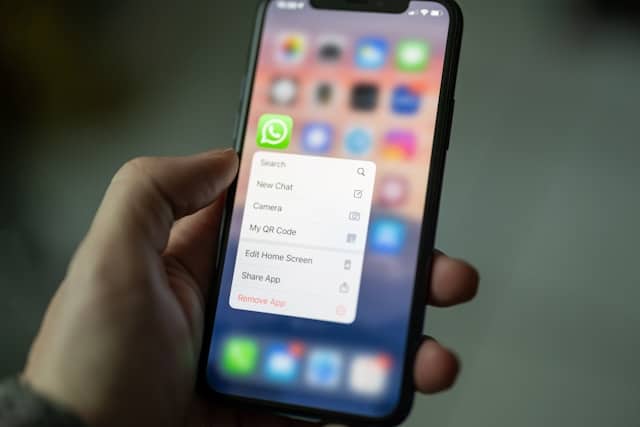
Streaming music services like Spotify consume 50-100MB per hour depending on quality settings. Download playlists before your trip to morocco to eliminate this data drain entirely.
For a typical 7-day tourist trip with moderate usage, 3-5GB handles navigation, social sharing, and staying connected comfortably. I personally use 8-10GB during week-long visits because I work remotely and attend video meetings. Extended trips or heavy data users should budget 10-15GB to avoid running short.
Step-by-Step: How to Activate Your eSIM for Morocco
Getting your new eSIM working requires just three simple steps, whether you’re still at home or already visiting Morocco.
First, verify your phone supports eSIM technology. Recent iPhone models from XR onwards include eSIM capability. Most Android phones from Samsung, Google Pixel, and other major brands produced after 2020 work with eSIM profiles. Check your device settings under “Cellular” or “Mobile Networks” for an “Add eSIM” option.
Second, purchase your data plan from BazTel or your chosen eSIM provider. You’ll receive a confirmation email containing your QR code and manual installation instructions. Save this email offline in case you need it later. I screenshot the QR code and save it to my photos as backup.
Third, scan the qr code through your phone’s settings menu. On iPhone, navigate to Settings > Cellular > Add Cellular Plan and point your camera at the code. Android users find similar options under Settings > Network > SIM Manager. The eSIM installs in under 30 seconds.
Enable data roaming for your new eSIM line in your phone settings. This sounds counterintuitive since we normally avoid roaming charges, but eSIM data plans require this setting activated to function properly. Your prepaid eSIM plan includes all costs upfront with no hidden fees.
The eSIM profile typically activates automatically when you connect to a supported network in Morocco. Some providers require manual activation through their app. Either way, you’ll see signal bars appear within minutes of landing.
If internet connection doesn’t start immediately, toggle airplane mode on and off. This forces your phone to reconnect to local networks and usually resolves temporary activation issues. BazTel’s good customer support team can troubleshoot more persistent problems through their 24/7 chat.
Regional Plans vs Local eSIMs: Which Makes Sense?
Travelers often ask whether multi-country regional plans beat single-destination local eSIMs for Morocco. The answer depends entirely on your itinerary.
Regional plans cover multiple countries under one data pool. Airalo and Saily offer Middle East/North Africa packages that work in Morocco plus neighboring nations. These eSIM options make sense if you’re hopping between countries and need seamless connectivity across borders.
The tradeoff? Regional plans cost significantly more per gigabyte. A regional package might run $50-60 for 10GB, while a Morocco-specific plan from BazTel costs just $17 for the same data allowance. You’re essentially prepaying for flexibility you might not use.
I tested a regional plan during a trip that combined Morocco with Tunisia. The convenience was nice, but I wasted money on unused data allocation since I spent 80% of the trip in Morocco. Buying separate local plans for each country would have saved $30.
Local eSIMs like BazTel’s Morocco plans optimize value for single-country visits. Since most travelers spend their entire trip within Morocco’s borders, paying premium prices for regional coverage makes little financial sense.
The exception: frequent travelers who visit the region multiple times annually might prefer maintaining one regional eSIM they can recharge rather than purchasing new local eSIMs for each trip. For most tourists, though, country-specific plans deliver better value.
Can You Make Phone Calls with a Morocco eSIM?
Here’s something crucial to understand: most eSIMs for Morocco provide data only and don’t include a local phone number for traditional phone calls or SMS. This catches many first-time eSIM users by surprise.
Your eSIM gives you internet access, which enables calls through apps like WhatsApp, Facebook Messenger, FaceTime, and similar services. I make all my local calls in Morocco this way since hotels, tour operators, and restaurants universally use WhatsApp for customer communication.
If you absolutely need traditional calling capability with a local phone number, you must purchase a physical SIM from Maroc Telecom, Orange, or Inwi. Airport and city phone stores sell these with calling minutes included. Be prepared to present your passport for mandatory registration.
Most travelers find internet-based calling perfectly adequate. WhatsApp works identically to regular calls—the person you’re calling doesn’t know or care that you’re using data instead of cellular minutes. The audio quality often exceeds traditional phone calls.
Your home country number remains active if you have a dual SIM phone or modern iPhone with eSIM. You can still receive calls and texts on your original number while using the Morocco eSIM exclusively for mobile data. Just be aware that receiving calls on your home number might trigger roaming charges from your regular carrier.
For emergency situations, download offline versions of important phone numbers and addresses. While internet connection should remain stable in major cities, having backup information prevents problems if you encounter dead zones.
eSIM Performance in Morocco’s Most Popular Destinations
Let me share specific coverage experiences from my trips to different parts of Morocco. Knowing what to expect helps set realistic expectations and plan accordingly.
Marrakech and the Medina
Internet access throughout Marrakech proved excellent on BazTel’s network. The eSIM connected to Orange’s 4G towers with consistent 20-25 Mbps speeds, more than sufficient for navigation and photo uploads. Even deep inside the medina’s narrow alleys, where GPS sometimes struggles, my data connection held strong.
The only exception was inside some traditional riads where thick walls degraded signal strength. Step outside to the courtyard or street and full bars return immediately. This isn’t eSIM-specific—physical SIM cards face identical challenges with building penetration.
Casablanca and Coastal Cities
Morocco’s largest city offered the fastest mobile data speeds I encountered. BazTel’s eSIM connected to 5G in select neighborhoods, pushing download speeds above 50 Mbps. Even standard 4G areas maintained solid 30+ Mbps throughout downtown and coastal regions.
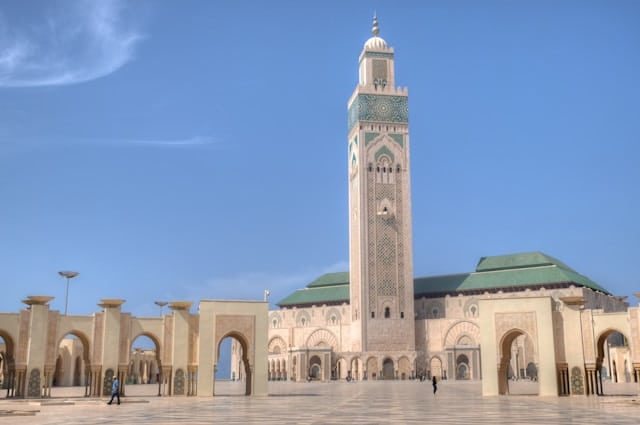
Business travelers working from cafés around Hassan II Mosque will find internet connection more than adequate for video conferences and large file transfers. The data only nature of most eSIMs poses no limitation when excellent wifi networks supplement your mobile connectivity.
Atlas Mountains and Tizi n’Tichka Pass
Here’s where coverage limitations become apparent. The scenic mountain passes connecting Marrakech to the southern desert regions experience extended dead zones. My eSIM lost all internet connection for 30-45 minute stretches during the drive over Tizi n’Tichka.
Villages along the route have basic coverage, usually dropping to 3G speeds. This suffices for checking messages but forget about uploading photos or streaming content. Download your offline maps, music playlists, and any needed information before departing urban areas.
I recommend buying extra data allowance if you plan extended time in rural areas. Network availability fluctuates unpredictably, causing your phone to search constantly for signal, which drains both battery and data reserves faster than normal urban usage.
Sahara Desert Tours
Multi-day desert excursions take you completely off-grid. No eSIM provider offers coverage in the deep Sahara where most organized tours venture. Accept this reality and embrace the digital detox.
That said, larger desert towns like Merzouga and M’Hamid maintain basic connectivity. My BazTel eSIM reconnected automatically when we returned to these settlements, allowing me to upload the day’s photos and check in with family. The internet speed was slow but functional.
Troubleshooting Common eSIM Issues
Even with the easy setup of modern eSIMs, occasional hiccups occur. Here’s how I’ve resolved the most common problems during my Morocco travels.
If your eSIM won’t install after scanning the QR code, verify you have stable wifi access during installation. The eSIM profile needs to download configuration data, which fails on weak connections. Use your hotel’s wifi network or wait until you’re on solid internet before attempting installation.
Data connection that won’t start despite successful installation usually indicates data roaming isn’t enabled. Double-check your settings menu under your eSIM line and toggle data roaming on. Yes, this feels wrong since we typically avoid roaming, but prepaid eSIM plans require this setting activated.

Slow internet speed in areas where coverage should be good sometimes resolves by manually selecting the network. Go to your cellular settings, choose the Morocco eSIM line, and select network manually instead of automatic. Force it to connect to Orange or Maroc Telecom if it picked up a weaker provider.
Running out of data mid-trip? Most eSIM providers including BazTel offer top ups you can purchase through their app. Additional gigabytes activate on the same eSIM profile without reinstalling anything. I keep the provider’s app on my phone specifically for this scenario.
If nothing works and you need internet access urgently, most hotels, cafes, and restaurants in tourist areas offer free wifi networks. Not ideal for staying connected on the go, but sufficient for resolving eSIM problems and purchasing a new plan if needed.
Are Unlimited Data Plans Worth It for Morocco?
The promise of unlimited data sounds appealing until you examine what “unlimited” actually means with most eSIM providers. I’ve tested several unlimited eSIM plans in Morocco and learned these important realities.
Almost every unlimited data plan includes a fair usage policy that throttles speeds after hitting a daily threshold. Holafly eSIM plans slow dramatically after 2GB daily usage, reducing internet speed to barely functional levels. You technically have unlimited data, but speeds drop so low that uploading photos becomes frustrating.
For comparison, I’ve never exceeded 2GB in a single day even while working remotely with video calls and cloud uploads. Most tourists use 500MB-1GB daily during typical sightseeing and sharing on social media apps. Unlimited plans solve a problem that doesn’t exist for the vast majority of travelers.
The cost effective approach? Purchase a standard data plan sized appropriately for your usage patterns. BazTel’s 10GB plan for $17 gives you more than enough for a week-long trip without the premium pricing and hidden restrictions of unlimited offers.
The rare exception: professional content creators who absolutely must upload hours of high-resolution video might benefit from unlimited plans. Even then, verify the fair usage policy allows enough daily allocation. Otherwise, you’re paying extra for theoretical unlimited access you can’t actually use.
I’ve found that buying slightly more data than I think I need (8-10GB instead of 5GB for a week-long trip) provides peace of mind without the inflated cost of misleading unlimited plans. Unused data typically expires when your plan ends, but at BazTel’s pricing, a few wasted gigabytes cost less than the premium charged for unnecessary unlimited access.
Essential Travel Tips for Using eSIM in Morocco
Beyond just purchasing and activating your eSIM for morocco, these practical tips make your digital connectivity smoother during your visit.
Install your eSIM profile before leaving home whenever possible. This lets you troubleshoot any activation issues with stable wifi and customer support available during business hours. Last-minute installations at the airport often lead to stress and wasted time.
Keep a screenshot of your QR code saved offline. If you need to reinstall the eSIM for any reason, you won’t need internet access to retrieve the code from email. I learned this after accidentally deleting my eSIM profile and couldn’t access my confirmation email to reinstall it.
Download essential apps and content before your trip. Grab offline versions of your maps, save Spotify playlists, and download any work documents you’ll need. This conserves data and provides backup access if you hit dead zones in rural Morocco.

Carry a portable power bank for extended days out. Searching for weak signal drains phone batteries faster than normal. I drain my iPhone to 20% by evening when exploring all day, versus 50% remaining during normal home usage.
Learn basic Arabic or French phrases for “wifi password” and “internet.” Smaller establishments might not have English-speaking staff, and you’ll occasionally need to ask for wifi access. “Mot de passe wifi?” works in French, while “Internet?” usually gets the message across in Arabic-speaking areas.
Consider purchasing a slightly larger data plan than you think you need for your first Morocco trip. Better to have extra gigabytes that go unused than run short with days remaining on your visit. You can always adjust down on future trips to morocco once you understand your actual consumption patterns.
Enable notifications for data usage warnings. Most phones let you set alerts at 50%, 75%, and 90% of your allocation. This prevents the surprise of running out unexpectedly and gives you time to purchase top ups if needed.
BazTel’s Unique Advantages
Having tested most major eSIM providers during multiple trips to Morocco, several BazTel features stand out as particularly valuable for travelers.
Their trip cancellation guarantee provides rare peace of mind. If your Morocco plans change and you can’t travel, BazTel refunds your eSIM purchase. Other providers consider digital products non-refundable once you receive the QR code, leaving you stuck with wasted money if flights cancel or emergencies arise.
True 24/7 customer support makes troubleshooting feasible regardless of time zones. I’ve contacted BazTel support at odd hours (3 AM Morocco time while dealing with a technical issue) and received responses within 15 minutes. Other providers either lack live support or limit availability to business hours, unhelpful when problems strike during travel.

No hidden fees or surprise charges appear on your bill. The price you see at purchase includes everything—no activation fees, no roaming charges, no premium support costs. I’ve been burned by providers who advertise low prices then tack on mandatory fees at checkout.
Their starter 1GB plan for just $3 lets you test eSIM technology risk-free. Many travelers hesitate to commit to eSIMs because they’re unfamiliar with the technology. BazTel’s trial plan costs less than a coffee and proves your phone works correctly before investing in larger data plans for extended trips.
The instant installation process through a simple QR code scan means you’re online within seconds of landing. No apps to download first, no account creation required, no complicated configuration. Your eSIM for morocco just works the moment you need it.
Do eSIMs Work in Morocco? Final Verdict
After five trips using different eSIM providers, I can definitively confirm that eSIMs work excellently throughout Morocco’s tourist regions. Urban coverage matches or exceeds what you’d get with a physical SIM card from local networks.
The cost savings prove substantial. My first Morocco trip using airport SIM cards cost $40 for 5GB. Now I pay $10 with BazTel for the same data allowance—a 75% reduction. Multiply that across multiple trips and the savings add up quickly.
Convenience factor cannot be overstated. Arriving in Morocco with working internet connection eliminates the stress of navigating unfamiliar airports while offline. You can message your hotel, order taxis through apps, and start your trip immediately instead of wasting the first hour hunting for SIM cards.
Rural and mountain regions do present coverage challenges, but this affects physical SIM cards equally. The limitation comes from Morocco’s cellular infrastructure, not eSIM technology itself. Download offline resources before leaving major cities and these gaps become minor inconveniences rather than major problems.
For tourists, business travelers, and digital nomads visiting Morocco, an eSIM represents the best balance of value, convenience, and reliable connectivity. BazTel specifically delivers exceptional value with pricing that makes other eSIM providers look expensive compared to their straightforward, honest rates.
Which SIM Card Is Best for Tourists in Morocco?
Choosing between eSIM options depends on your specific travel needs and budget. Let me break down clear recommendations for different traveler types.
Budget-conscious tourists should go with BazTel’s plans, no question. Their $6 for 3GB or $17 for 10GB beats every competitor by substantial margins. You get reliable Orange network coverage without overpaying for brand recognition or unnecessary features.
Frequent Morocco visitors might prefer BazTel’s approach of purchasing separate plans for each trip rather than maintaining a more expensive regional eSIM. At their pricing, buying a fresh plan beats paying premiums for multi-country coverage you rarely use.
Business travelers who need guaranteed connectivity for important calls and meetings should purchase BazTel’s 10GB plan even for short trips. The cost remains reasonable while ensuring you never face the embarrassment of losing connection during a video conference due to insufficient data.
Families and groups benefit from BazTel’s ability to connect multiple devices through your phone’s hotspot. Buy one 10GB plan, enable wifi hotspot, and keep everyone’s devices online. This beats purchasing separate eSIM plans for each family member.
Digital nomads working remotely in Morocco need substantial data allowances. I use 10-15GB weekly when working full-time, so BazTel’s affordable pricing on larger plans proves essential. Their reliable connection through Orange’s network handles video conferences and cloud uploads without frustrating slowdowns.
Solo travelers prioritizing safety value instant connectivity. Having working internet access immediately upon landing lets you contact accommodations, use navigation apps in unfamiliar areas, and maintain contact with family. BazTel’s $3 trial plan verifies everything works before committing to larger purchases.
How to Activate an eSIM in Morocco: Complete Guide
Let me walk you through the exact activation process I follow when arriving in Morocco with a BazTel eSIM.
Before your flight, purchase your data plan from BazTel’s website. Select Morocco from the country list and choose your desired gigabyte allocation. Complete checkout and watch for the confirmation email containing your QR code and activation instructions.

Screenshot or save the QR code to your phone’s photo gallery. This creates an offline backup in case you need the code but can’t access email. I also forward the email to a secondary account as additional insurance.
If you haven’t already installed the eSIM profile, do it before boarding your flight or using the airport wifi. Navigate to your phone’s cellular or mobile network settings and select “Add eSIM” or similar option. Scan the QR code when prompted. The eSIM profile installs in 20-30 seconds.
The eSIM typically remains dormant until you land in Morocco and connect to a supported network. You might see “No Service” displayed next to your eSIM line during the flight—this is normal and expected.
Upon landing, turn off airplane mode. Your phone searches for available networks and should connect to Orange automatically within 1-2 minutes. You’ll see signal bars appear next to your Morocco esim line once connection establishes.
Verify data connection works by opening a web browser or social media app. If internet access doesn’t start immediately, go to your cellular settings and ensure data roaming is enabled for the eSIM line. Toggle it on if currently disabled.
Some phones require you to select which SIM line handles data connection. Choose your Morocco eSIM as the active data line while keeping your home SIM active for calls and texts if desired. This dual setup lets you receive verification codes and important calls on your original number.
Test internet speed by loading a webpage or checking messages. Successful activation means you’re ready to navigate the airport, message your hotel, and start your Morocco adventure fully connected.
If activation fails after following these steps, BazTel’s 24/7 support team provides troubleshooting through their live chat. I’ve never needed this myself, but knowing good customer support exists provides confidence for first-time eSIM users.
Morocco eSIM FAQs
Do I need to keep my physical SIM card in my phone?
No, that’s one key benefit of eSIM technology. Your digital SIM exists in your phone’s software, leaving your physical SIM slot available. Many travelers keep their home SIM installed to receive calls while using the eSIM exclusively for data.
Can I use my eSIM in other countries after Morocco?
Not with single-country plans like BazTel’s Morocco offering. Once your plan expires, the eSIM profile stops working. You can install new eSIMs for different countries, but each requires a separate purchase. Regional plans work across multiple countries but cost significantly more.
How long does my Morocco eSIM data plan last?
Most plans including BazTel’s offer 30-day validity from activation. The eSIM profile itself can be installed earlier, but your data allocation and time limit begin when you first connect to Morocco’s local networks.
Can I share my eSIM data with other devices?
Yes, through your phone’s wifi hotspot or tethering feature. Enable hotspot in your settings and connect your laptop, tablet, or fellow travelers’ devices to your phone’s wifi network. Your Morocco eSIM provides internet connection for all connected devices.
What happens if I run out of data before my trip ends?
Purchase top ups through your eSIM provider’s app or website. Additional data activates on your existing eSIM profile without reinstalling anything. BazTel and most providers make this process straightforward with just a few taps.
Will my eSIM work in Morocco’s rural areas and desert?
Coverage becomes unreliable in remote mountain regions and the Sahara desert. All cellular providers face these same limitations regardless of whether you use eSIM or physical SIM cards. Urban and tourist areas maintain strong connectivity.
Do I need to turn on data roaming?
Yes, despite the counterintuitive nature of this requirement. Prepaid eSIM plans include all costs upfront, so enabling data roaming won’t trigger surprise charges. The eSIM needs this setting activated to connect to Morocco’s local networks.
Can I install multiple eSIMs on my phone?
Most modern smartphones support storing 5-10 eSIM profiles simultaneously, though only one or two can be active at once. This lets you keep eSIMs from different countries installed and switch between them as needed without reinstalling.
Save Money and Stay Connected in Morocco
Staying connected during your Morocco adventure shouldn’t consume a significant portion of your travel budget. BazTel’s affordable eSIM plans ensure you have reliable internet access throughout your trip without the premium pricing other providers charge. If your travels take you elsewhere, such as Mauritius, BazTel also offers eSIM for Mauritius with equally affordable and convenient options.
Their transparent approach eliminates the frustration of hidden fees, confusing fair usage policies, and expensive “unlimited” plans that throttle speeds. You see exactly what you’re paying, get exactly that much data, and connect through Morocco’s most reliable network.
The convenience of instant installation, 24/7 customer support, and unique trip cancellation protection makes BazTel particularly attractive for first-time Morocco visitors. You’re not just buying mobile data—you’re purchasing peace of mind that connectivity will work smoothly from the moment you land.
Whether you’re navigating the chaotic souks of Marrakech, uploading sunset photos from Essaouira’s coast, or working remotely from a Fez riad, your BazTel eSIM keeps you connected at prices that respect your travel budget.
Get an eSIM for Morocco before your next trip and discover how affordable staying connected can be. Download your QR code, scan it into your phone, and land in Morocco ready to explore without the stress of hunting for local SIM cards at inflated airport prices.
Your Morocco adventure deserves reliable internet connection that just works. BazTel delivers exactly that, starting at just $3 for their trial plan. Test the technology, verify it works with your device, then commit to the data plan that matches your trip duration and usage needs.
Stay connected, stay safe, and save money on your trip to Morocco with an eSIM that combines value, reliability, and genuine customer support.

Blog Author
Peter
Peter started BazTel.co to make mobile internet easier for travellers. He noticed how tough it was to find good network options while visiting new countries. That’s when he built BazTel — a place where anyone can buy eSIMs online without confusion or long steps. He believes tech should be simple and useful, not complicated. When he’s free, he likes to travel, test BazTel himself, and keep improving it based on real user problems.