Botswana
 Zambia
 Congo
Congo Colombia
 China mainland
 Chile
Chile Chad
Chad Central African Republic
 Canada
 Cameroon
 Cambodia
 Burkina Faso
 Bulgaria
 Brunei Darussalam
 Brazil
 Aland Islands
 Bosnia and Herzegovina
 Bolivia
 Belgium
 Belarus
 Bangladesh
 Bahrain
 Azerbaijan
 Austria
 Australia
 Armenia
 Argentina
 Algeria

Picture this: you’re planning your dream Bali holiday, scrolling through endless Instagram photos of emerald rice terraces and pristine beaches. But then reality hits—when should you actually book your flights? Will you get caught in monsoon rains? Or worse, battle shoulder-to-shoulder crowds at every temple?
As someone who’s navigated Bali’s seasonal quirks firsthand and analyzed weather patterns across multiple years, I can tell you the answer isn’t as simple as “just go in dry season.” The best time to visit Bali depends entirely on what you want from your trip—and understanding the island’s distinct seasons will save you from costly mistakes.
Bali’s tropical location near the equator means the island enjoys typically warm temperatures year-round, hovering between 26°C and 31°C regardless of the month making it a popular destination year round. However, the experience you’ll have varies dramatically depending on when you visit.
The dry season brings reliable sunny weather but packed beaches and inflated prices, while the rainy season offers lush landscapes and bargain deals with the trade-off of afternoon downpours. Then there’s the often-overlooked shoulder season—the sweet spot where best weather, crowds, and value align perfectly.
In this comprehensive guide, I’ll break down exactly when to visit Bali based on weather patterns, pricing fluctuations, crowd levels, and activities, giving you the insider knowledge to plan your perfect Indonesian adventure.
Understanding Bali’s Two Distinct Seasons
Before diving into specifics, let’s clarify what Bali’s seasons actually look like. Unlike destinations with four distinct seasons, this Indonesian island experiences just two main periods determined by monsoonal patterns. Understanding Bali weather is key to planning your trip, as the island’s climate is defined by a dry season from April to October and a wet season from November to March.
The low season in Bali typically falls from October to March, which sees fewer tourists and lower prices.
The Dry Season: April to October
The dry season is Bali’s peak season when most travelers flock to Bali, and for good reason. Between April and October, the island showcases its postcard-perfect side with consistently hot sunny days, amazing weather, lower humidity, and minimal rainfall. Bali’s dry season is especially appealing for those seeking comfortable conditions for their trip.
Temperatures remain stable during these months, typically ranging between 27°C and 32°C, with comfortable evenings that dip to around 24°C. During the dry season, lower humidity levels drop significantly compared to the wet months, and you’ll often feel refreshing sea breezes along the coast.
During the dry season, rainfall is sporadic and brief when it does occur. You might experience occasional rain—a 30-minute shower, usually in the late afternoon—but these are rare exceptions rather than the rule. This predictable sunny weather makes the dry season ideal for beach activities and outdoor adventures such as multi-day hiking, diving, and island-hopping excursions to places like Nusa Penida. The clear skies also mean stunning sunsets nearly every evening—a photographer’s dream.

However, popularity comes at a cost. The peak tourist season months of July and August see accommodation prices surge by 30-50% compared to low season rates. During this period, Bali’s dry season is in full swing, with tourism and outdoor activities at their highest levels.
Popular areas like Seminyak, Canggu, and Ubud become noticeably crowded, with restaurants requiring advance reservations and beaches losing their peaceful charm. Traffic congestion worsens significantly during these months, particularly around Kuta and Seminyak where a 15-minute journey can stretch to an hour during peak times.
The best time to get married in Bali is during the dry season, particularly between May and September.
The Rainy Season: November to March
Bali’s rainy season carries an unfairly negative reputation. Yes, November through March brings more rain and higher humidity, but it’s far from the non-stop deluge many travelers fear. The wet weather in Bali, commonly referred to as Bali’s rainy season, typically features short, heavy afternoon downpours that clear within an hour or two, leaving sunny mornings and evenings bookending your day.
Rain often arrives around 2-4 PM, giving you ample time for morning activities before retreating to a cozy café or spa as the skies open. Bali’s rainy season runs from November to March, which is typically when prices for accommodation and airfares are lower. Bali’s wet season runs from November to March, with January typically being the rainiest month.
January and February are the wettest months, averaging 22 rainy days per month with rainfall totals of 280-300mm. However, “rainy days” doesn’t mean all-day rain—it usually means one or two hours of tropical showers. During this period, daytime temperatures ranging from 24°C to 31°C are typical, and temperatures remain consistently warm despite the rain, though the increased humidity can make it feel warmer than the actual temperature suggests. The upside? Bali’s landscapes transform into vibrant shades of green during these months, with rice terraces at their most photogenic and waterfalls flowing at full power.

The wet season is also when you’ll find the best deals. This period is known as Bali’s low season, where hotel rates can drop by 40-50% compared to peak season, flights are more affordable, and tourist attractions are refreshingly uncrowded. The low season usually falls from October-November and from February-March, which typically see fewer tourists and lower prices.
Traveling during the rainy season, particularly from January to March, often yields the lowest prices on flights and accommodations. The cheapest time to visit Bali is typically during the off-peak months of October, November, February, and March. The cheapest time to travel to Bali is generally in the off-peak months of October, November, February, and March.
You can explore Ubud’s temples without jostling for photos, enjoy beach clubs with ample seating, and book last-minute activities without premium pricing. For travelers willing to pack a rain jacket and maintain flexible plans, the rainy season offers exceptional value and represents the cheapest time to visit Bali.
One important caveat: during the rainy season, particularly January through February, beaches on Bali’s south coast (Kuta, Legian, Seminyak, Canggu) can accumulate debris and trash washed ashore by currents. This is less of an issue on the east coast and in areas like Uluwatu and Nusa Dua.
The Secret Weapon: Bali’s Shoulder Season
If you can only remember one thing from this guide, let it be this: the shoulder season, also known as the mid season, is your golden ticket to experiencing Bali at its absolute best. These transitional periods between dry and wet seasons offer a remarkable combination of favorable weather, manageable crowds, and reasonable prices. The shoulder months of May, June, and September provide sunny days and lower humidity with fewer tourists compared to peak season.
April-May: Post-Wet Season Perfection
April marks the beginning of the dry season, and it’s arguably one of the best times to visit Bali. The island has been washed clean by the rainy season, leaving landscapes lush and vibrant. Rainfall decreases dramatically in April (averaging 8-12 rainy days), though you might still catch the occasional rainfall. By May, the weather stabilizes with consistently sunny days and temperatures reaching their peak at around 29°C—the hottest month of the year.
What makes these shoulder months exceptional is the timing. Australian school holidays haven’t kicked in yet, and European summer vacation is still weeks away. This means you’ll encounter significantly fewer crowds and can avoid crowds compared to June, July, or August.
Accommodation prices remain 20-30% lower than peak season, and booking activities or restaurant tables is refreshingly straightforward. April is particularly good value, while May sees a slight uptick in prices as word spreads about the excellent conditions.
Bali experiences a significant increase in tourist numbers during the Australian winter school holidays, particularly in July and August, making April and May even more attractive for those seeking a quieter experience.
For surfers, May marks the beginning of prime surf season on Bali’s west coast, with consistent swells arriving at breaks like Uluwatu, Padang Padang, and Canggu. Diving conditions are improving, with visibility reaching 20-30 meters at popular sites. Hiking trails are dry and safe after the wet season, making this an ideal time for multi-day treks or sunrise climbs up Mount Batur.
April also coincides with Galungan, one of Bali’s most important Hindu festivals (April 23, 2025), when the island comes alive with colorful penjor decorations lining every street and families dressed in traditional attire visiting temples. Experiencing this cultural celebration adds immense depth to any Bali visit.
September-October: Pre-Wet Season Value
On the other end of the dry season, September and October offer similar advantages. September is technically still within the dry season, delivering reliable sunny weather with average temperatures of 26°C-30°C and minimal rainfall (around 8 rainy days). The crowds begin thinning as European school holidays end and families return home, yet the weather remains excellent for outdoor activities.
October is considered a shoulder month as Bali transitions toward the wet season. Rainfall increases slightly (12-15 rainy days), but most days still feature abundant sunshine with showers typically arriving in late afternoon.
The real benefit? Prices drop noticeably in October—you can save 25-35% on accommodation compared to bali’s peak season months, which are July to August and the Christmas to New Year holidays, when beaches, temples, and hotels are crowded and prices are at their highest. Flights also become more affordable as well.
For divers, September and October are fantastic months. Water temperatures are still comfortable at 26-28°C, visibility remains strong, and this is the tail end of mola mola (oceanic sunfish) season in Nusa Penida. Surfers continue to enjoy consistent swells on the west coast, though winds begin shifting variable patterns that open up different breaks around the island.
October also sees fewer mosquitoes than earlier months, as it’s the last month of the dry season before humidity increases. If you’re particularly sensitive to insect bites, this is a significant advantage. The combination of great weather, lighter crowds, and lower prices makes September and October two of the most underrated months to visit Bali.
It’s important to note that December is one of the busiest times to visit Bali due to Christmas and New Year, leading to increased prices and crowds.
Regional Climate Variations Within Bali
One aspect many guides overlook: Bali weather isn’t uniform across the island. Regional climate differences mean that some areas may experience more rainfall or humidity than others, so understanding these micro-climate differences can significantly impact your experience.
Additionally, Bali enjoys warm ocean temperatures year-round, making it ideal for swimming, snorkeling, and diving in any season.
Coastal Areas: Warm and Consistent
The southern coastal regions—Kuta, Legian, Seminyak, Sanur, Canggu, Nusa Dua—experience a classic tropical climate with temperatures ranging between 27°C and 32°C year-round. In these areas, temperatures remain consistently warm throughout the year, providing a predictable and pleasant climate for visitors.
These areas benefit from sea breezes during the dry season, making heat more bearable. However, during the wet season, particularly January and February, beaches on the south coast can accumulate significant debris and pollution washed ashore by currents—a less-than-ideal sight if you’re expecting pristine sands.
The Bukit Peninsula and Nusa Islands: Drier and Hotter
Bali’s southern tip, including Uluwatu, Pecatu, Ungasan, and the Nusa islands (Nusa Penida, Nusa Lembongan, Nusa Ceningan), receives significantly less rainfall than the main island. This area is noticeably drier and can be several degrees hotter, especially during the dry season when temperatures regularly exceed 32°C.
The reduced rainfall means less lush vegetation, but it also means more reliable beach weather even during shoulder months. If minimizing rain is your priority, basing yourself on the Bukit Peninsula or Nusa Islands is a smart strategy.
Central Highlands: Cooler and Wetter
Ubud, Sidemen, Kintamani, Bedugul, and areas near Bali’s volcanic mountains sit at 600-1,000 meters elevation, creating distinctly cooler conditions. Daytime temperatures range from 20°C to 27°C—a welcome relief from coastal heat but requiring a light jacket for cooler temperatures at evenings.
These highland areas receive more rainfall throughout the year, with wet season bringing frequent mist and showers even during typically dry months.
The cooler, wetter climate is what allows Bali’s famous rice terraces, coffee plantations, and lush forests to thrive. If you’re trekking to Mount Batur or Mount Agung, expect significantly cooler pre-dawn temperatures around 15°C, necessitating warm layers.
North Coast: Different Rainfall Patterns
Bali’s north coast, including Lovina, experiences somewhat different rainfall patterns than the south. While still following the general dry/rainy season cycle, the north tends to receive rain more consistently throughout the year but often in smaller amounts. This results in greener landscapes year-round but slightly less pronounced seasonal differences.
East Coast Attractions
Bali’s East Coast is a hidden gem that offers a refreshing alternative to the island’s busier southern beaches. If you’re planning your Bali trip and want to experience a blend of natural beauty, authentic culture, and outdoor adventure, the East Coast deserves a spot on your itinerary.
The best time to visit Bali’s East Coast is during the dry season (May to October), when sunny weather and clear skies create perfect conditions for exploring the region’s stunning coastline and vibrant underwater world.
Amed, one of the East Coast’s standout destinations, is renowned for its laid-back vibe, black sand beaches, and world-class snorkeling and diving. Here, you’ll find colorful coral reefs teeming with marine life just steps from the shore—ideal for both beginners and experienced divers.
Visiting during the shoulder season (April to May or September to November) means you’ll enjoy fewer crowds and more affordable accommodation, making it a great time to visit Bali if you’re seeking tranquility without sacrificing great weather.
For nature lovers, the West Bali National Park is a must-visit. While technically located on the northwest tip of the island, it’s easily accessible from the East Coast and offers a unique opportunity to experience Bali’s wild side. The dry season is the best time to explore the park’s hiking trails, spot rare birds, and encounter native wildlife, all while enjoying cooler temperatures and minimal rain showers.
Cultural enthusiasts will appreciate the East Coast’s vibrant calendar of events, especially the Bali Arts Festival held in June and July. This celebration of Balinese culture features traditional dance, music, and art, drawing visitors from across the island.
If you plan to visit Bali during the high season or peak season (July to August), be sure to book your accommodations and festival tickets early to avoid missing out, as this is a popular time for both locals and tourists.
The East Coast is also a haven for wellness retreats and yoga enthusiasts. With its peaceful atmosphere and scenic surroundings, it’s the perfect place to unwind and recharge. Many wellness centers and yoga studios offer special packages during the low season (November to March), when there are fewer tourists and a more serene ambiance—ideal for those seeking relaxation away from the bustle of busy Bali.
Whether you’re drawn by outdoor activities, cultural festivals, or the promise of a rejuvenating wellness escape, the East Coast offers something for every type of traveler. With its combination of adventure, relaxation, and authentic Balinese charm, it’s one of the best places to experience the island’s diverse appeal. So, when planning your next Bali holiday, consider the East Coast for a unique and memorable addition to your Bali itinerary.
Activity-Specific Timing: When to Visit Bali For
Different activities have different optimal seasons, and timing your visit around key events can make your trip even more memorable. Here’s when to plan your trip based on what you want to do.
Best Time for Surfing
West Coast (Uluwatu, Padang Padang, Canggu, Balian): The dry season from May to September is prime time, with consistent swells and offshore easterly trade winds grooming waves to perfection. July and August offer the biggest, most powerful waves but also the most crowded lineups. Shoulder months—April, May, September, October—provide excellent surf with fewer people in the water.
East Coast (Keramas, Sanur, Serangan, Nusa Dua): The wet season from November to March brings northwest winds that create offshore conditions on the east coast. These months offer clean, uncrowded waves when the west coast is blown out. December through February is optimal for east coast surfing.
Pro Tip: If you’re a beginner or intermediate surfer, visit during shoulder months when waves are manageable and surf schools aren’t overwhelmed. Advanced surfers chasing heavy reef breaks should target June through August despite the crowds.
Best Time for Diving and Snorkeling
General Diving: The dry season from May to November offers the best overall sea conditions. Water visibility reaches 20-30 meters at most sites (sometimes 40+ meters at places like Menjangan Island), calm seas make boat transfers comfortable, and water temperatures hover around 27-29°C—warm enough for a 3mm wetsuit or even just a rash guard.
Bali is known for its warm ocean temperatures, which create vibrant marine environments and excellent visibility for both diving and snorkeling. The best time to dive in Bali is between May and November, while the best time to snorkel in Bali is from May to September.
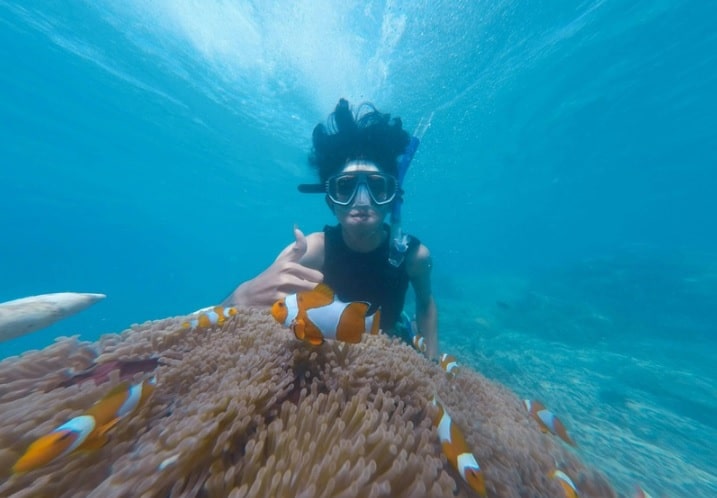
Mola Mola Season (Nusa Penida): If seeing the magnificent oceanic sunfish is on your bucket list, visit between July and October, with August and September offering the highest probability. During these months, cold upwelling brings these deep-water giants to shallower depths at sites like Crystal Bay. Water temperatures drop to 20-25°C, so bring a 5mm wetsuit or hooded vest. Note that currents are strongest during mola mola season, making these dives suitable for experienced divers only.
Manta Rays (Nusa Penida): Manta rays can be encountered year-round at Manta Point and Manta Bay, but sightings are particularly reliable during April and May when mating activity peaks. December through March offers calmer seas for the boat crossing to Nusa Penida, though underwater visibility may be slightly reduced.
Avoid: December through February for diving on Bali’s north and east coasts, as rainfall reduces visibility significantly. However, Nusa Penida and Nusa Lembongan remain diveable year-round.
Best Time for Hiking and Trekking
Multi-Day Hikes: Visit during the dry season from May through September when trails are dry, safe, and slip-free. Hiking in the wet season is risky—trails become muddy and dangerous, particularly on steep sections.
Mount Batur Sunrise Trek: Possible year-round but most reliable during the dry season. The volcano sits at 1,717 meters, and pre-dawn temperatures can drop to 12-15°C, so bring warm layers regardless of season. May through September offers the highest probability of clear summit views.
Campuhan Ridge Walk and Rice Terrace Walks: These easier walks are accessible year-round. Wet season actually enhances rice terrace scenery with vibrant green paddies. Just wear shoes with good grip and be prepared to dodge puddles.
Best Time for Cultural Experiences
Bali’s cultural calendar follows both the Western calendar and the Balinese Saka lunar calendar (a 210-day cycle), meaning festival dates shift annually.
Nyepi (Day of Silence): March typically, this is Bali’s most unique festival. The entire island shuts down for 24 hours of complete silence—no flights, no travel, no lights after dark. The night before features the spectacular Ogoh-Ogoh parade.
Experiencing Nyepi provides unparalleled insight into Balinese Hindu culture, but plan to stay at your hotel for 24 hours. Most accommodations organize special entertainment and meals for guests.
Galungan and Kuningan: These cultural festivals occur every 210 days (roughly twice per year), celebrating the victory of dharma over adharma. Streets are decorated with towering bamboo penjor poles adorned with offerings, and locals dress in traditional attire for temple ceremonies. Galungan typically falls in April and October (dates vary). This is the most visually stunning time to visit Bali from a cultural perspective.
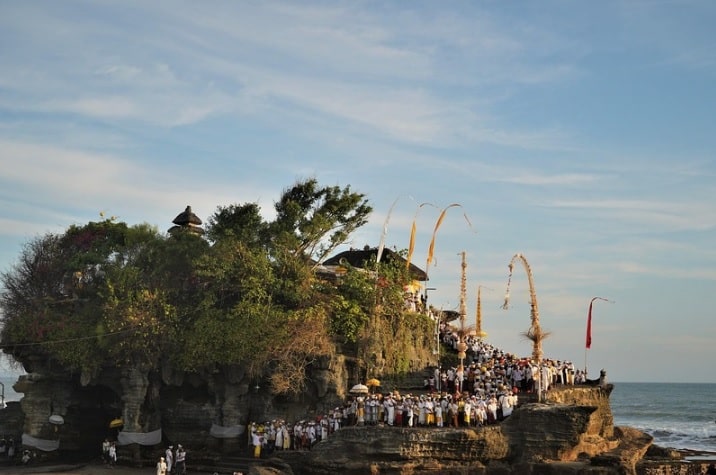
Bali Arts Festival: Held annually from mid-June through mid-July in Denpasar, this month-long celebration showcases traditional Balinese culture through dance, music, crafts, and art. Daily performances and exhibitions make June and July particularly rich for cultural immersion.
Temple Ceremonies: Odalan (temple anniversary ceremonies) happen year-round, with each of Bali’s thousands of temples celebrating on different days according to the Balinese calendar. You’ll likely encounter ceremonies regardless of when you visit. The most elaborate ceremonies occur during the dry season when weather is predictable.
Best Time for Beaches and Swimming
Calmest Seas: May through October offers the calmest ocean conditions with gentle waves on the south coast, perfect for swimming and snorkeling directly from shore. Sanur, Nusa Dua, and Jimbaran feature protected beaches ideal for families with young children.
Biggest Waves: July and August bring the largest swells to the west coast, creating spectacular (but dangerous) beach breaks. Unless you’re an experienced ocean swimmer, stick to designated swimming areas during these months.
Cleanest Beaches: April through October. The wet season, particularly January and February, sees increased ocean debris and trash washing up on southern beaches. East coast beaches and those on the Bukit Peninsula remain cleaner year-round.
Practical Considerations: Prices, Crowds, and Booking Strategies
Understanding seasonal patterns helps you maximize value and minimize hassle. During the festive season, especially around Christmas and New Year, Bali experiences higher prices and larger crowds due to increased tourism.
Accommodation Pricing Patterns
Bali’s hotel and villa prices fluctuate dramatically based on demand. A room that costs $100 per night in low season might jump to $180 in high season and $250 during peak holidays like Christmas, New Year, and August. Here’s a breakdown as of 2025:
Low Season (January-February, November): Expect 40-50% discounts compared to peak season. Many properties offer flash sales and extended-stay deals. This is when budget travelers can afford luxury accommodations they’d otherwise never consider. A $300/night villa might drop to $150.
Shoulder Season (March-April, September-October): Properties charge 20-35% below peak rates. You still get excellent value while weather remains mostly favorable. Many travelers consider this the sweet spot.

High Season (May-June): Prices increase to 80-90% of peak season levels. You’re paying close to maximum rates but avoiding the absolute crush of July-August crowds.
Peak Season (July-August, mid-December to early January): Maximum pricing with 40-60% premiums over shoulder season. Four-star hotels charge five-star rates. Budget guesthouses that normally cost $30/night suddenly ask $60. Book 3-6 months ahead or face limited availability.
Pro Tip: If your dates include both shoulder and peak season (for example, arriving in late August and staying through mid-September), you might find properties willing to average the rate rather than charging different rates for different dates. Always ask.
Flight Pricing and Availability
Flights to Bali from Australia follow similar seasonal patterns. Expect premium fares during Australian school holidays, particularly late June through July and mid-December through January. From Sydney or Melbourne, round-trip flights during peak season can cost $800-1,200, while shoulder season fares often drop to $500-700. Budget carriers like Jetstar and AirAsia offer competitive rates but book early for the best deals.
From Europe, the lowest fares typically appear during European shoulder seasons (March-April, October-November). Summer months see significant price increases as demand surges from UK and European travelers.
Booking Strategy: For accommodation, book peak season visits 3-6 months ahead, shoulder season 1-3 months ahead, and low season can often be booked just weeks in advance (or even walk-in). For flights, track prices starting 6-8 months out and book when you see fares below historical averages for your route.
Managing Crowds: Where and When
Even during peak season, you can find pockets of tranquility with smart planning. Popular attractions like the Ubud Monkey Forest, Tanah Lot Temple, and Tegallalang Rice Terraces are overwhelmed between 10 AM and 3 PM during high season. Visit before 9 AM or after 4 PM to avoid tour bus hordes. To avoid crowds altogether, consider planning your visit during the shoulder season or early in the dry season when tourist numbers are lower.
Less-visited regions like Sidemen Valley, Amed, Pemuteran, and West Bali National Park remain peaceful year-round. If crowds bother you, base yourself in these areas and day-trip to popular spots during off-peak hours. For seamless connectivity while exploring remote areas, learn how to get your eSIM QR code before your trip.
If you are looking for beach parties then beach clubs like Finns, Potato Head, and Ku De Ta become packed on weekends during high season. Visit midweek for a more relaxed experience with easier seating.
Weather Flexibility and Trip Insurance
If visiting during shoulder months (particularly March-April and October-November), build flexibility into your itinerary. Having a mix of indoor and outdoor activities means weather won’t derail your plans. Many travelers visit during these months and have zero rain—but having backup options provides peace of mind.
Trip insurance becomes more valuable when visiting during wet season months. While significant disruptions are rare, occasional flooding in January-February can affect rural roads, and heavy rains have been known to cause temporary flight delays.
Making Your Decision: Best Time for Different Traveler Types
Let me summarize the ideal timing based on traveler profiles:
Budget Travelers: Visit in January, February, or November for maximum savings. Accommodation can cost half of peak season rates, and you’ll often have attractions to yourself. Embrace the rain, pack a good book for afternoon downpours, and enjoy Bali on a fraction of the typical budget.
Families with School-Age Children: You’re somewhat locked into school holiday periods, making June-July or mid-December to January your options. Book far in advance (6-12 months) for the best availability and prices. Consider visiting in early June rather than July to beat the peak crowds while still getting dry season weather.
Digital Nomads and Remote Workers: The shoulder months—April-May and September-October—offer ideal conditions for working remotely. Reliable wifi, comfortable weather, manageable crowds, and reasonable costs make these months perfect for combining work and exploration. October is particularly good value if you don’t mind occasional afternoon showers that won’t disrupt your work schedule.
Honeymooners and Couples: May and September are optimal. You’ll get romantic sunset dinners without fighting for tables, peaceful beach walks, excellent weather, and better value than peak season. These months offer the intimate Bali experience most couples envision without the crowds that detract from romance.

The best time for a honeymoon in Bali is during the dry season from May to October, when the weather is ideal for outdoor activities and relaxation. If you are planning a Bali wedding, consider the dry season as well, since it offers the most reliable weather for outdoor ceremonies and easier venue bookings.
Surf Travelers: May-June for west coast waves with manageable crowds and consistent swells. December-January for east coast waves when the west side is blown out. Advanced surfers chasing heavy barrels should target July-August despite the crowds.
Divers: August-September for mola mola encounters in Nusa Penida. April-May for manta ray mating season. May-November for general diving with optimal visibility and calm seas.
First-Time Visitors: April-May provides the best all-around experience for those making their Bali debut. You’ll get reliable weather for checking off must-see attractions, manageable crowds for photos without photobombers, and reasonable prices. This timing gives you the classic Bali experience without overwhelming hassle.
Spiritual and Wellness Retreats: The wet season months (November-February) align perfectly with internal reflection and healing work. Many yoga and wellness retreats offer discounted rates during these months. The rain creates a cozy atmosphere perfect for meditation, spa treatments, and personal growth work.
Final Recommendations: When to Visit Bali
After analyzing weather patterns, pricing structures, crowd dynamics, and activity-specific considerations across multiple years, here are my definitive recommendations for the best time to visit Bali:
Best Overall Months: April and September consistently deliver the strongest combination of excellent weather, manageable crowds, and reasonable prices. If you have complete freedom to choose when to visit, these two months should top your list. May ranks a close third, offering peak dry season conditions just before summer crowds arrive.
Best Value Months: January and February offer extraordinary deals for travelers who don’t mind rain. You’ll save hundreds of dollars on accommodations and experience a more authentic, less touristy Bali. October also provides excellent value as a shoulder month with mostly dry weather.
Avoid If Possible: Late July through mid-August sees the worst combination of maximum crowds, highest prices, and aggressive traffic. Unless your schedule demands it, choose literally any other time. Mid-December through early January is similarly overcrowded and expensive, though many find the festive atmosphere worth the premium.
Compromise Choice: March and October work wonderfully for travelers seeking a balance. You’ll accept slightly more weather variability in exchange for significantly better value and fewer crowds. These months prove that with smart planning and flexibility, you can enjoy an excellent Bali experience outside the traditional peak season.
The Bottom Line
The best time to visit Bali isn’t a single answer—it’s the time that aligns with your priorities, budget, and tolerance for weather variability. If guaranteed sunshine is non-negotiable and you don’t mind crowds or premium prices, stick to May through September.
If value and tranquility matter more than perfect weather, embrace the rainy season from November through February. For most travelers seeking that Goldilocks combination of favorable conditions without peak season hassles, April, May, and September represent the sweet spot.
Having visited Bali during multiple seasons over the years, I can confidently say that this island offers something special regardless of when you arrive. Yes, the dry season showcases Bali’s postcard-perfect side, but the rainy season reveals a different beauty—emerald rice terraces, powerful waterfalls, and authentic local life unfiltered by mass tourism.
Even the maligned rainy season typically delivers sunny mornings perfect for exploration before afternoon showers that provide a natural excuse to enjoy a leisurely lunch or massage.
The key is aligning your expectations with seasonal realities. Don’t visit in January expecting endless beach days, but don’t dismiss it as “bad” either—it’s simply different, offering cultural richness and value that peak season can’t match. Similarly, July offers flawless weather but comes with crowds that might diminish the tranquil escape you imagined.
Whatever month you choose, book accommodations strategically (early for peak times, later for shoulder season deals), remain flexible with daily plans, and approach Bali with open-minded curiosity rather than rigid expectations.
This beautiful island has welcomed visitors for decades precisely because it offers meaningful experiences across all twelve months—you just need to know what each month brings and plan accordingly.
Safe travels, and enjoy your Bali adventure.

Blog Author
Peter
Peter started BazTel.co to make mobile internet easier for travellers. He noticed how tough it was to find good network options while visiting new countries. That’s when he built BazTel — a place where anyone can buy eSIMs online without confusion or long steps. He believes tech should be simple and useful, not complicated. When he’s free, he likes to travel, test BazTel himself, and keep improving it based on real user problems.