Botswana
 Zambia
 Congo
Congo Colombia
 China mainland
 Chile
Chile Chad
Chad Central African Republic
 Canada
 Cameroon
 Cambodia
 Burkina Faso
 Bulgaria
 Brunei Darussalam
 Brazil
 Aland Islands
 Bosnia and Herzegovina
 Bolivia
 Belgium
 Belarus
 Bangladesh
 Bahrain
 Azerbaijan
 Austria
 Australia
 Armenia
 Argentina
 Algeria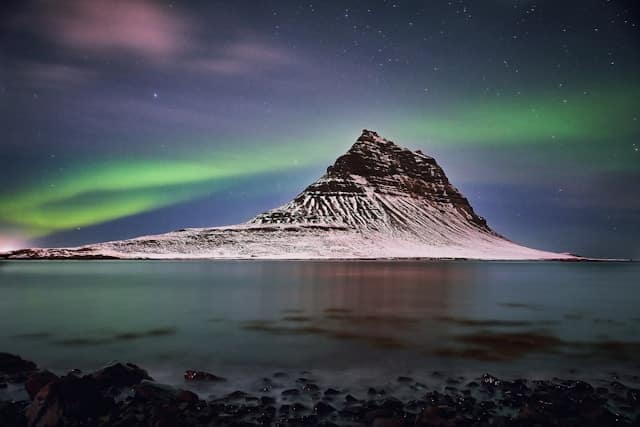

Standing on the edge of Jokulsarlon Glacier Lagoon, watching massive icebergs drift silently through crystal-blue water, I understood why Iceland had been on my bucket list for years. This arctic island delivers experiences you simply can’t find anywhere else on Earth. From the ethereal dance of the Northern Lights to the raw power of crashing waves at black sand beaches, visiting Iceland means stepping into landscapes that feel almost otherworldly.
I’ve explored destinations across Turkey, Bali, and throughout Europe, but Iceland stands apart. The country packs an incredible concentration of natural wonders into a relatively compact area. You can witness geothermal hot springs, massive glaciers, and powerful waterfalls all in a single day trip. Whether you’re planning your first visit or returning to explore deeper, this guide covers the essential things to do in Iceland based on firsthand experience exploring this remarkable country.
Why Iceland Should Be Your Next Adventure
Iceland sits just below the Arctic Circle, positioned perfectly between North America and Europe. This unique location creates a land shaped by ice and fire, where volcanic activity meets massive glaciers. The island nation offers natural wonders accessible year round, though each season brings distinct experiences.
The country has exploded in popularity over the past decade, and for good reason. Where else can you soak in geothermal hot springs while snow falls around you, or walk between two continental tectonic plates? Iceland combines adventure, relaxation, and jaw-dropping scenery in ways that keep travelers coming back.
One practical consideration worth mentioning: staying connected in Iceland matters more than you might expect. Between checking weather forecasts, finding your next attraction, and sharing those incredible photos with friends back home, you’ll want reliable mobile data. I used an eSIM from BazTel during my trip, which proved invaluable for navigating Iceland’s winding roads and checking real-time conditions before heading out each day. Starting at just $1 for 1GB, it’s a simple solution that saves you the hassle of hunting down local SIM cards or paying exorbitant roaming fees.
The Golden Circle: Iceland’s Must-See Route
No list of things to do in Iceland would be complete without the Golden Circle. This roughly 300-kilometer loop from Reykjavik takes you to three of Iceland’s most spectacular natural attractions, making it the perfect introduction to the country’s dramatic landscapes.
Thingvellir National Park
Thingvellir National Park serves as both a UNESCO World Heritage Site and a geological wonder. The park sits in a rift valley where the North American and Eurasian tectonic plates are literally pulling apart. You can walk through Almannagjá Gorge, standing with one foot in North America and the other in Europe.
Beyond its geological significance, Þingvellir National Park holds deep historical importance. Iceland’s parliament, the Alþingi, first convened here in 930 AD, making it one of the world’s oldest democratic assemblies. The combination of natural beauty and cultural heritage makes this stop compelling for visitors interested in both outdoor adventures and history.
The park also features excellent hiking trails that wind through lava fields and along the shores of Þingvallavatn, Iceland’s largest natural lake. If you visit during winter months, the park offers some of the best opportunities to see the Northern Lights away from light pollution.
Geysir Geothermal Area
The word “geyser” actually comes from Geysir, the original hot spring that gave all similar features their name. While the Great Geysir itself rarely erupts these days, its neighbor Strokkur geyser performs reliably every 5-10 minutes, shooting boiling water up to 30 meters into the air.
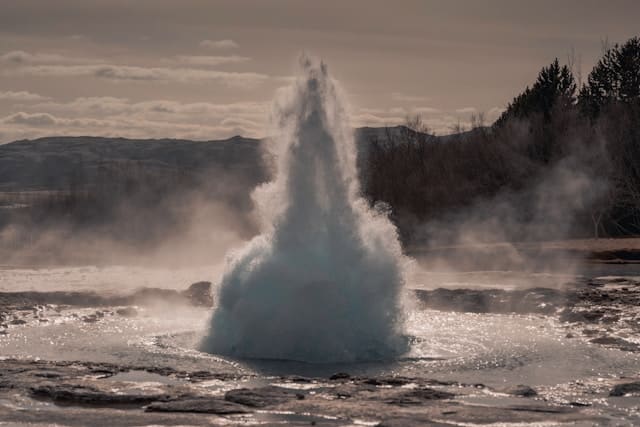
Watching Strokkur erupt never gets old. The ground trembles slightly, the water in the pool begins to bubble and dome upward, then suddenly explodes skyward in a column of scalding steam. The geothermal fields surrounding the main geysers steam and bubble constantly, creating an almost alien landscape of vibrant colors and sulfurous smells.
Visit early in the morning or later in the evening to avoid the largest crowds. The site remains accessible year round, and winter visits offer the added spectacle of steam rising against snowy backdrops.
Gullfoss Waterfall
Gullfoss, meaning “Golden Falls,” ranks among Iceland’s most powerful waterfalls. The Hvítá River plunges 32 meters in two dramatic stages, sending spray high into the air. On sunny days, rainbows arc through the mist, creating photo opportunities that fill memory cards quickly.
You can view Gullfoss from multiple platforms, each offering different perspectives. The upper viewpoint provides sweeping vistas of the falls and surrounding canyon, while the lower path brings you close enough to feel the spray on your face. In winter, ice formations create additional drama as frozen mist clings to rocks and railings.
The Golden Circle can be completed as a day trip from Reykjavik, though I recommend allowing a full day to explore without rushing. Many tours depart from the capital city, or you can easily drive the route yourself.
Chasing the Northern Lights
Seeing the Northern Lights dance across Iceland’s night sky rates as one of the most magical experiences available to travelers. The aurora borealis appears from September through April, when darkness returns to Iceland’s skies. We’re currently in the solar maximum period of 2025-2026, which means aurora displays should be particularly spectacular over the next year.
Best Locations for Aurora Viewing
Light pollution significantly diminishes your chances of seeing the Northern Lights, so getting away from cities is essential. Thingvellir National Park offers excellent viewing opportunities thanks to its dark skies and open landscapes. The areas around Vik and along Iceland’s south coast provide good options as well.
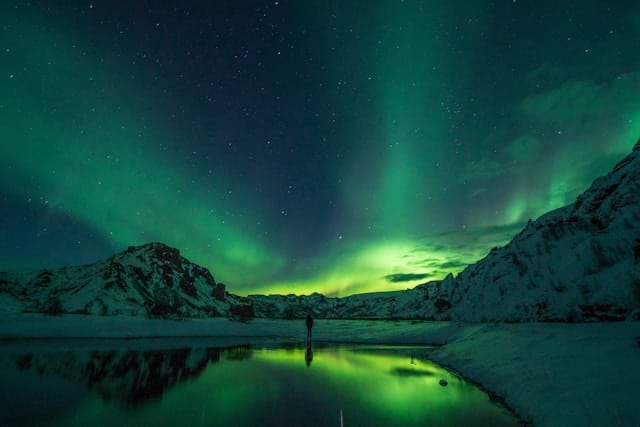
Many tour operators offer Northern Lights tours that depart from Reykjavik. These guided tours use weather forecasts and aurora predictions to chase the best viewing conditions, taking the guesswork out of the hunt. However, if you rent a car and have flexibility in your schedule, you can check forecasts yourself and head out when conditions look promising.
Timing and Conditions
Clear skies matter as much as solar activity for successful aurora viewing. Check both the weather forecast and aurora forecast before heading out. The aurora forecast uses a scale from 0-9, with higher numbers indicating stronger activity. Even at moderate activity levels (3-4), you can see impressive displays from dark locations.
Peak viewing typically occurs between 10 PM and 2 AM, though displays can appear earlier or later. Dress warmly, even if you’re “just stepping outside for a minute.” Standing still in cold weather while waiting for the lights takes more warmth than walking around during the day.
Jokulsarlon Glacier Lagoon: Iceland’s Crown Jewel
Jokulsarlon Glacier Lagoon absolutely belongs on every Iceland itinerary. Located on the south coast about five hours from Reykjavik, this glacier lagoon features massive icebergs that have broken off from Breiðamerkurjökull glacier.
The lagoon began forming in the 1930s as the glacier retreated, and it continues expanding today. At 248 meters deep, it’s now Iceland’s deepest lake. The icebergs floating in the lagoon range from pristine white to electric blue, with some containing black streaks of ash from ancient volcanic eruptions.
Boat Tours on the Lagoon
Taking a boat tour lets you cruise between towering ice formations and get up close to icebergs that can be several stories tall. Two main tour options exist: traditional amphibian boats that move slowly through the lagoon, and faster Zodiac boats that zip between the icebergs.
The amphibian tours run from May through November and provide a relaxed, hour-long cruise. Zodiac tours offer a more adventurous experience with closer approaches to the ice, though they require warm, waterproof suits provided by tour operators. Both options deliver incredible views and unique perspectives on these ancient ice formations.
Seals often haul out on icebergs in the lagoon, and you might spot them lounging on the ice or swimming through the cold water. Bring binoculars for better views of wildlife and distant ice formations.
Diamond Beach
Directly across the Ring Road from Jokulsarlon lies Diamond Beach, where chunks of ice wash up on black volcanic sand. The ice pieces sparkle like diamonds against the dark beach, creating one of Iceland’s most photographed scenes.
The ice on Diamond Beach changes constantly as new pieces wash ashore while others melt or return to the sea. Visit at different times of day to see how changing light affects the appearance of the ice. Sunrise and sunset bring particularly beautiful conditions, with soft light making the ice glow.
Black Sand Beaches and Coastal Wonders
Reynisfjara Black Sand Beach
Reynisfjara black sand beach near Vik might be Iceland’s most dramatic coastline. Massive hexagonal basalt columns line the shore like a natural cathedral, while the Reynisdrangar sea stacks rise from the ocean offshore. The black sand, created from volcanic rock eroded by powerful Atlantic waves, contrasts sharply with white foam from crashing surf.
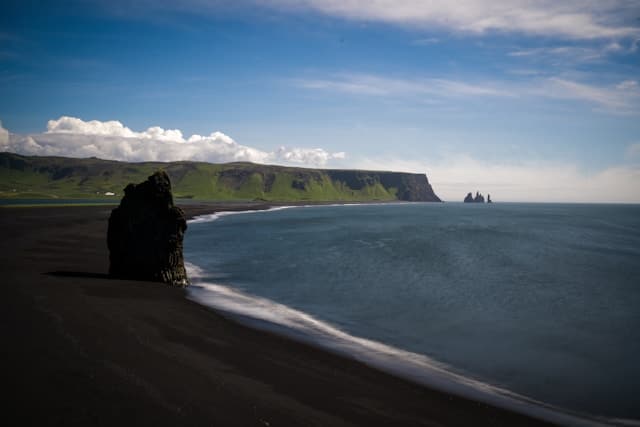
The beach’s beauty comes with serious dangers. “Sneaker waves” can surge far up the beach without warning, and the powerful undertow has proven fatal. Always keep a safe distance from the water and never turn your back on the ocean. Warning signs posted at the beach aren’t exaggerations, they’re there because people have died after being swept into the freezing water.
Despite the hazards, Reynisfjara offers stunning photography opportunities and a chance to witness the raw power of Iceland’s coastal landscapes. The nearby Halsanefshellir cave, accessible at low tide, features more impressive basalt column formations, though rockfall makes entering the cave risky.
Vik and South Iceland
The village of Vik serves as an excellent base for exploring south Iceland. This southernmost town on Iceland’s mainland offers hotels, restaurants, and easy access to black sand beaches and nearby waterfalls. The town itself sits below steep hillsides where puffins nest during summer months.
From Vik, you can easily reach several of Iceland’s famous waterfalls, including Seljalandsfoss and Skógafoss. The area provides good opportunities to see the Northern Lights in winter, while summer brings nearly 24 hours of daylight for extended exploration.
The Blue Lagoon Experience
The Blue Lagoon remains Iceland’s most famous attraction, and for good reason. This geothermal spa features milky-blue water rich in silica and minerals, surrounded by black lava rocks on the Reykjanes Peninsula. The water maintains a comfortable temperature year round, making it perfect for soaking whether snow falls around you or midnight sun lights the sky.
Located just 20 minutes from Keflavik International Airport, the Blue Lagoon works perfectly as either your first or last stop in Iceland. Many travelers schedule visits during airport transfers, though be aware that you must book tickets well in advance as the lagoon limits daily capacity.
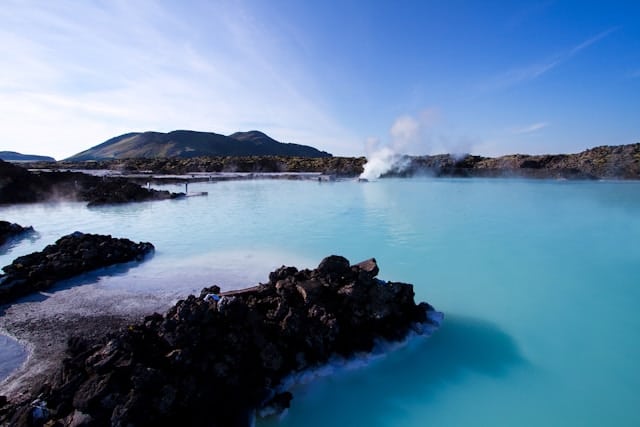
The mineral-rich water reportedly benefits skin conditions, and the lagoon provides silica mud masks you can apply while soaking. A swim-up bar serves drinks, letting you enjoy a cocktail while surrounded by steam rising off the warm water.
Yes, the Blue Lagoon costs significantly more than other geothermal pools in Iceland. But the unique setting, excellent facilities, and convenient location justify the expense for many visitors. If you prefer a less touristy alternative, Iceland has numerous other hot springs and geothermal pools throughout the country.
Waterfalls Worth the Detour
Iceland boasts hundreds of waterfalls, ranging from delicate cascades to thundering torrents. A few famous waterfalls deserve spots on most Iceland itineraries.
Seljalandsfoss allows you to walk behind the falling water, creating unique photo opportunities. The path behind the falls gets you soaked from spray, so bring waterproof clothing. The waterfall sits right along the Ring Road, making it an easy stop.
Skógafoss impresses with its sheer width and power. The 60-meter-tall powerful waterfall sends up tremendous spray, and you can climb stairs to viewing platforms above the falls. Legend says Viking settlers hid treasure in a cave behind Skógafoss, adding folklore to natural beauty.
Ice Caves and Glacier Adventures
Iceland’s glaciers cover roughly 11% of the country, creating opportunities for ice cave tours and glacier hiking that you won’t find in many other places.
Natural Ice Caves
Ice caves form naturally in Iceland’s glaciers during winter months. These blue ice caves appear between November and March, when cold temperatures stabilize the formations. The most famous ice cave tours visit Vatnajökull, Europe’s largest glacier.
Ice cave tours require guides, as conditions inside glaciers can be dangerous without proper knowledge and equipment. The caves’ appearance changes constantly as ice shifts and melts, meaning each visit reveals something different. Electric blue ice, sculpted by meltwater and pressure, creates almost supernatural spaces inside these frozen formations.
Glacier Hiking
Walking on a glacier provides perspective on Iceland’s ice caps that you can’t get from ground level. Guided glacier hiking tours equip you with crampons and ice axes, then lead you across crevasse-filled landscapes of ice and rock.
Tours range from easy walks suitable for most fitness levels to challenging full-day expeditions. The Sólheimajökull glacier near Vik offers accessible glacier hiking options, while more remote locations provide untouched wilderness experiences.
Snaefellsnes Peninsula: Iceland in Miniature
The Snaefellsnes Peninsula, extending into the Atlantic from West Iceland, packs remarkable diversity into a relatively small area. Many travelers call it “Iceland in miniature” because you’ll find lava fields, black sand beaches, dramatic cliffs, waterfalls, and volcanic peaks all within a compact region.
The peninsula makes an excellent day trip from Reykjavik or a worthwhile overnight stop on a Ring Road journey. Kirkjufell mountain creates one of Iceland’s most photographed scenes, while the coastal areas offer chances for whale watching and views of dramatic sea cliffs.
Reykjavik: More Than Just a Gateway
Iceland’s capital city deserves more than just a quick airport transfer. Reykjavik combines modern Scandinavian design with centuries of history, creating a compact, walkable city that punches above its weight.
The Sun Voyager statue along the waterfront provides a scenic spot to watch sunsets over the ocean. The Hallgrímskirkja church towers over the city, and you can climb its tower for panoramic views. Reykjavik’s downtown area features excellent restaurants, shops, and museums.
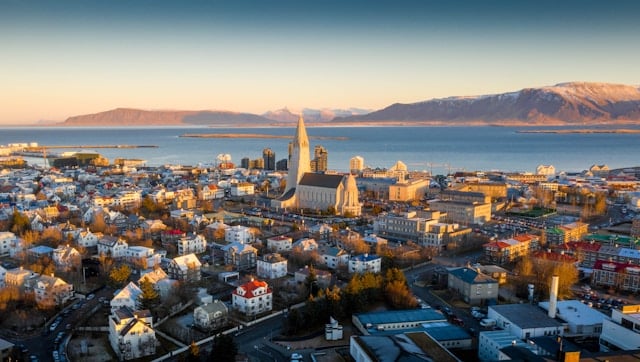
During happy hour, Reykjavik’s bar scene becomes more affordable. Many bars offer significant discounts on drinks during late afternoon and early evening hours. Given Iceland’s generally high prices, taking advantage of happy hour specials makes sense for budget-conscious travelers.
Practical Travel Tips for Visiting Iceland
When to Visit Iceland
Iceland offers different experiences across seasons. Summer (June-August) brings nearly 24 hours of daylight, mild weather, and access to all roads. This makes summer ideal for road trips and exploring the interior.
Winter (November-March) features short days but offers chances to see the Northern Lights and visit ice caves. Shoulder seasons (April-May and September-October) provide compromises between weather and crowds.
Getting Around
Renting a car provides the most flexibility for exploring Iceland. The Ring Road circles the entire country and remains accessible year round, though winter driving requires experience with ice and snow.
F roads, marked with an “F” prefix, require four-wheel-drive vehicles and typically open only during summer months. These rough mountain roads access Iceland’s interior highlands and some remote waterfalls and hiking trails.
Many tourists choose guided tour packages, which eliminate driving concerns while providing expert commentary. Tours depart daily from Reykjavik to major attractions.
Iceland Itinerary Suggestions
For a first visit with limited time, focus on the Golden Circle and south coast. A week allows you to complete the Golden Circle, visit Jokulsarlon Glacier Lagoon, and explore some less-traveled areas like the Snaefellsnes Peninsula.
Two weeks enables a complete Ring Road circuit with time for detours and activities. Don’t try cramming too much into too little time. Iceland’s winding roads and unpredictable weather mean travel takes longer than maps suggest.
Staying Connected
Reliable mobile connectivity matters in Iceland. You’ll need it for GPS navigation on remote roads, checking weather forecasts, finding accommodation, and sharing your adventures. Traditional roaming charges from major carriers can be astronomical.
I solved this by using an Icelandic eSIM from BazTel, which gave me affordable data throughout my trip without needing to find and swap physical SIM cards. At prices starting from just $3 per gigabyte and coverage across Iceland’s major networks, it proved to be one of the smarter travel decisions I made.
Managing Costs
Iceland isn’t cheap. Food, accommodation, and activities all run higher than most European destinations. However, you can manage costs by shopping at grocery stores for some meals, taking advantage of happy hour specials, and booking accommodation outside Reykjavik.
Many of Iceland’s best attractions, like waterfalls and natural areas, charge no entrance fees. Focus your budget on experiences you can’t get elsewhere, like boat tours on glacier lagoons or ice cave expeditions.
Outdoor Adventures Beyond the Basics
Whale Watching
Iceland’s coastal waters host numerous whale species. Whale watching tours from Reykjavik, Husavik, and other coastal towns offer chances to spot humpback whales, minke whales, and occasionally blue whales. Summer provides the best whale watching conditions, though tours run year round.
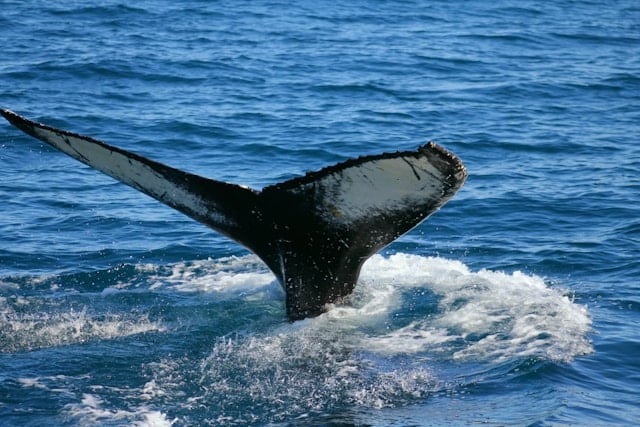
Puffins often appear on whale watching tours as well, perched on rocky outcrops or bobbing on the ocean surface. These charismatic seabirds nest in Iceland from May through August.
Horseback Riding
Icelandic horses are unique to the island, descended from horses brought by Viking settlers over 1,000 years ago. These sturdy, friendly animals possess a fifth gait called the tölt, creating an exceptionally smooth ride.
Horseback riding tours range from hour-long introductions to multi-day treks. Riding an Icelandic horse across lava fields or along black beaches creates memorable experiences that connect you to both Iceland’s landscapes and its traditions.
Making the Most of Your Iceland Adventure
Iceland delivers natural wonders that live up to every bit of hype. From the moment you arrive until your departure, this island will challenge your expectations of what landscapes can look like.
The key to a successful Iceland trip is balancing popular attractions with spontaneous discoveries. Yes, visit the Golden Circle and Blue Lagoon. But also pull over at that unmarked waterfall you spotted from the road. Take that hiking trail that looks interesting. Give yourself time to simply sit and absorb the untouched wilderness around you.
Weather will affect your plans. Roads close, tours get canceled, and that perfect sunset you planned might hide behind clouds. Flexibility matters more than rigid schedules. Build buffer days into your Iceland itinerary, book refundable accommodations when possible, and maintain realistic expectations about conditions.
Most importantly, remember that Iceland’s landscapes deserve respect. Stay on marked paths, don’t disturb wildlife, follow safety warnings, and leave no trace. This remarkable country receives over two million visitors annually, and responsible tourism keeps these natural wonders accessible for future travelers.
Whether you spend a long weekend exploring the Golden Circle or several weeks circling the island on the Ring Road, Iceland offers experiences unlike anywhere else on Earth. The combination of accessible natural wonders, well-developed tourism infrastructure, and genuinely unique landscapes makes this arctic island a bucket list destination worth every króna spent.
Start planning your Iceland adventure. Research which attractions match your interests, book essential reservations early, and prepare for cold weather regardless of season. With proper preparation and an open mind, visiting Iceland will create memories and photos that last a lifetime.

Blog Author
Peter
Peter started BazTel.co to make mobile internet easier for travellers. He noticed how tough it was to find good network options while visiting new countries. That’s when he built BazTel — a place where anyone can buy eSIMs online without confusion or long steps. He believes tech should be simple and useful, not complicated. When he’s free, he likes to travel, test BazTel himself, and keep improving it based on real user problems.