Botswana
 Zambia
 Congo
Congo Colombia
 China mainland
 Chile
Chile Chad
Chad Central African Republic
 Canada
 Cameroon
 Cambodia
 Burkina Faso
 Bulgaria
 Brunei Darussalam
 Brazil
 Aland Islands
 Bosnia and Herzegovina
 Bolivia
 Belgium
 Belarus
 Bangladesh
 Bahrain
 Azerbaijan
 Austria
 Australia
 Armenia
 Argentina
 Algeria

Standing on a French Quarter balcony with a frozen daiquiri in hand while jazz music drifts up from the street below, I finally understood why people fall in love with New Orleans. This isn’t just another American city. It’s a place where centuries of French, Spanish, African, and Caribbean cultures have blended into something completely unique.
After three visits to the Crescent City, I’ve learned that New Orleans rewards those who venture beyond the obvious. Sure, Bourbon Street has its place (and we’ll get to that), but the real magic happens when you wander down quiet Garden District streets, catch live jazz music on Frenchmen Street, or take a swamp tour to see alligators in their natural habitat. Whether you’re a first time visitor planning your New Orleans itinerary or a history buff seeking fascinating stories from America’s past, this guide covers everything you need to experience the beating heart of Louisiana.
Exploring the Historic French Quarter
The French Quarter is where any New Orleans adventure should begin. This National Historic Landmark, also known as Vieux Carré, has been the city’s soul since 1718. Walking these streets feels like stepping into a different era, where wrought-iron balconies drip with hanging plants and cobblestone paths wind past centuries-old buildings.
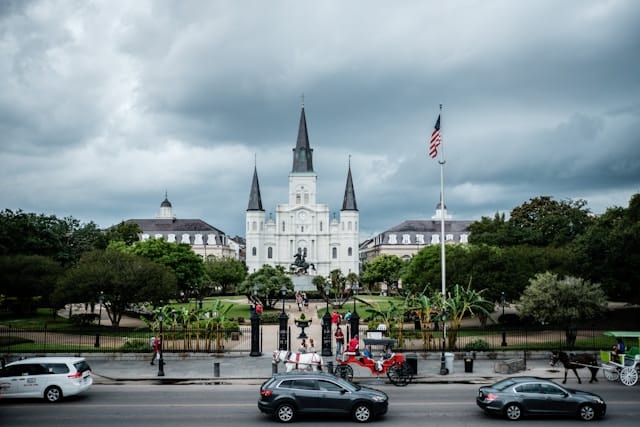
Jackson Square serves as the French Quarter’s centerpiece. Street performers and local artists gather here daily, creating an open-air gallery against the backdrop of St Louis Cathedral. Inside St Louis Cathedral, North America’s oldest continuously active cathedral, you’ll find respite from Louisiana’s humidity and a chance to admire stunning architecture dating to 1794. The cathedral is free to visit and provides a peaceful contrast to the energy outside.
Just steps from Jackson Square sits Cafe du Monde, a New Orleans institution since 1862. The cafe serves only beignets and coffee, but they’ve perfected both. These pillowy squares of fried dough arrive buried under mountains of powdered sugar, paired perfectly with chicory coffee served au lait. Pro tip: wear light-colored clothing and visit early morning or late evening to avoid the crowds. The French Market location stays open 24/7, making it ideal for any schedule.
Royal Street offers a more refined alternative to Bourbon Street’s chaos. Art galleries, antique shops, and boutiques line this pedestrian-friendly corridor where street musicians perform classical jazz. On any given afternoon, you might stumble upon a brass band’s impromptu second-line parade or watch artists painting watercolors of the surrounding architecture.
The Bourbon Street Experience
Bourbon Street runs 13 blocks through the French Quarter’s center, from Canal Street to Esplanade Avenue. This is New Orleans at its most uninhibited. Open container laws allow you to carry drinks on the street, and the party atmosphere peaks after dark when live music pours from dozens of bars and clubs.
During daylight hours, Bourbon Street transforms into a different beast. You can browse souvenir shops for Mardi Gras beads and masks, grab a frozen daiquiri to cool down, or duck into one of the many bars offering live music throughout the day. The strip gets considerably rowdier at night, especially near the Canal Street end, but that’s part of its appeal for many visitors.
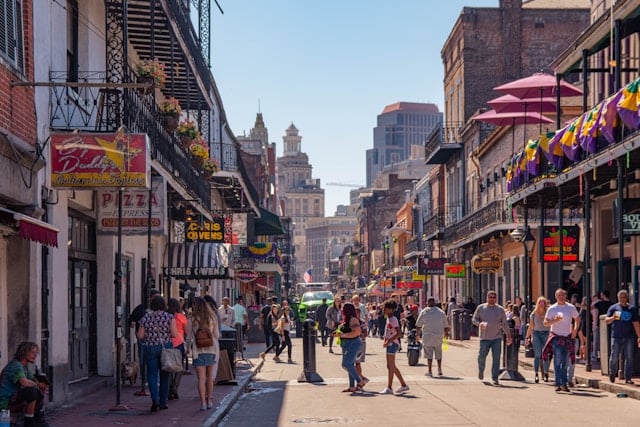
For a more authentic musical experience, head to Frenchmen Street in the Marigny neighborhood. This three-block stretch has become the local favorite for live jazz music, with venues like The Spotted Cat, Snug Harbor, and d.b.a. showcasing everything from traditional jazz to modern brass funk. Unlike Bourbon Street’s cover bands, Frenchmen Street features genuine New Orleans musicians playing for audiences who actually came to listen.
Garden District Architecture and History
The Garden District stands in beautiful contrast to the French Quarter’s dense streets. Established in 1833, this neighborhood showcases antebellum mansions set among oak-shaded boulevards and lush gardens. The St. Charles Avenue Streetcar provides the perfect way to explore, rumbling past Victorian homes and Greek Revival estates for just $1.25.
Magazine Street cuts through the Garden District and Lower Garden District, offering three miles of locally-owned boutiques, vintage shops, and restaurants. It’s where New Orleanians actually shop, making it a great place to find unique souvenirs beyond the French Quarter’s touristy offerings. Take your time browsing – you’ll find everything from antique maps to modern art to repurposed furniture.
Commander’s Palace, a Garden District landmark since 1880, serves elevated Creole cuisine in a stunning Victorian mansion. While it sits at the higher end of New Orleans’ dining scene, their weekend jazz brunch offers relative value and an unforgettable experience. You’ll dine steps away from Lafayette Cemetery No. 1, one of the city’s famous above-ground burial sites.
Swamp Tours and Wildlife Adventures
No New Orleans itinerary feels complete without venturing into Louisiana’s swamps. These wetland ecosystems, just 30-45 minutes from downtown New Orleans, host alligators, wild boars, turtles, raccoons, and dozens of bird species. The swamp tour I took through the Manchac Swamp exceeded my expectations – our Cajun guide shared fascinating stories about the ecosystem while navigating narrow channels draped with Spanish moss.
Most tour companies offer French Quarter pickup, making logistics simple. Airboat tours provide the thrill of high-speed swamp navigation, while covered pontoon boats offer a more relaxed pace better suited to photography. Morning tours tend to be best for wildlife viewing, as alligators and other wildlife are more active before the midday heat sets in.
Tour guides often bring marshmallows to feed alligators (creating some dramatic photo opportunities), and you’ll learn about the swamp’s crucial role in Louisiana’s ecosystem and economy. These tours typically last 90 minutes to two hours, leaving plenty of time for other New Orleans activities in your day trip schedule.
Plantation Tours: Confronting Complex History
Oak Alley Plantation stands as Louisiana’s most photographed plantation, and for good reason. The quarter-mile avenue of 28 massive oak trees, each nearly 300 years old, creates an unforgettable entrance to this 1839 Greek Revival mansion. Tours last about 90 minutes total – 35 minutes inside the “Big House” followed by time to explore the grounds, slavery exhibits, and blacksmith shop.
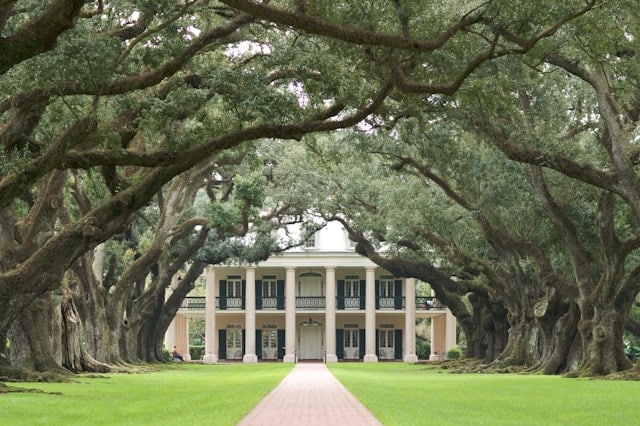
These plantation tours serve an important purpose beyond pretty architecture. The Slavery at Oak Alley exhibit tells the difficult but essential stories of the enslaved people who built and maintained these estates. Walking through reconstructed slave cabins and reading first-person accounts provides sobering context for understanding New Orleans history and the American South’s complex past.
Whitney Plantation takes a different approach, dedicating itself entirely to telling the story of slavery in Louisiana. This makes for a more emotionally heavy but incredibly important visit. If you have time for multiple plantation tours, combining Oak Alley’s architecture with Whitney’s focused historical narrative provides the most complete perspective.
Live Music Beyond the Clubs
New Orleans might be the only American city where you’re guaranteed to hear live jazz music any day of the week. Louis Armstrong Park, just beyond the French Quarter in Treme, honors the city’s most famous musical son with free outdoor concerts throughout the year. Congo Square within the park holds special significance as one of the few places enslaved people were allowed to gather and make music during the 18th and 19th centuries.
Frenchmen Street deserves its own section. On any Friday or Saturday night, this corridor becomes a continuous party as music spills from every doorway. The Spotted Cat hosts traditional jazz sessions where dancers crowd the tiny floor. Three Muses offers an intimate setting for contemporary jazz alongside craft cocktails. Blue Nile books bigger names in funk and brass. You can bar-hop freely, catching different sets before settling on your favorite.
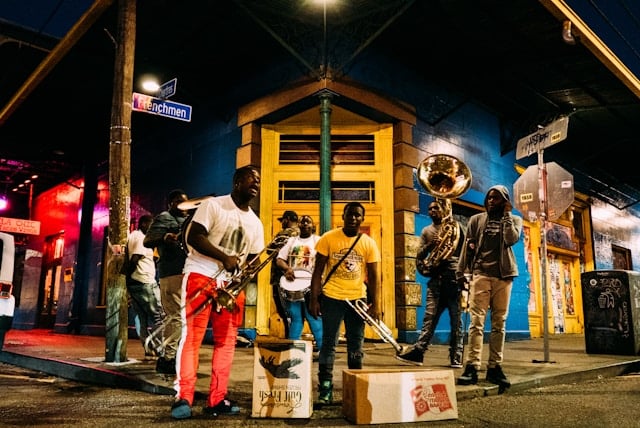
Street performers throughout New Orleans add to the city’s musical atmosphere. In Jackson Square, brass bands, solo guitarists, and tap dancers perform throughout the day. These artists aren’t mere buskers – many are professional musicians supplementing their income between club gigs. Tipping generously supports the culture that makes New Orleans special.
Museums Worth Your Time
The National WWII Museum stands as New Orleans’ top-rated attraction, and it earns that status. This massive campus tells the story of America’s World War II experience through immersive exhibits, restored aircraft and tanks, and powerful personal narratives. The museum’s connection to New Orleans comes through Andrew Higgins, whose local factory built the landing craft that made D-Day possible.
Plan a minimum of four hours for your visit, though history buffs could easily spend an entire day here. The 4D film “Beyond All Boundaries,” narrated by Tom Hanks, provides an excellent overview before diving into the detailed pavilions. Purchase tickets online in advance, especially during peak tourist season from February through May.
City Park, one of America’s largest urban parks at 1,300 acres, offers the New Orleans Museum of Art and the adjacent Sydney and Walda Besthoff Sculpture Garden. The sculpture garden’s admission is free and provides a peaceful escape among 90+ sculptures set in a beautifully landscaped setting. It’s perfect for a picnic lunch or afternoon break from sightseeing.
Authentic New Orleans Food
Po’boys define New Orleans casual dining. These sandwiches start with crispy-soft French bread filled with fried seafood (shrimp or oysters are traditional), dressed with lettuce, tomatoes, pickles, and mayonnaise. Parkway Bakery and Tavern came up repeatedly in my conversations with New Orleanians as serving the city’s best versions. The fried shrimp po’boy I had there remains one of my favorite meals from any city.
Gumbo and jambalaya represent Creole and Cajun cooking at their finest. Gumbo is a thick stew built on a dark roux, traditionally including seafood or andouille sausage, served over rice. Jambalaya combines rice with meat, vegetables, and Creole seasonings in one pot. Both dishes reflect New Orleans’ multicultural heritage, blending French techniques with African, Spanish, and Native American ingredients.
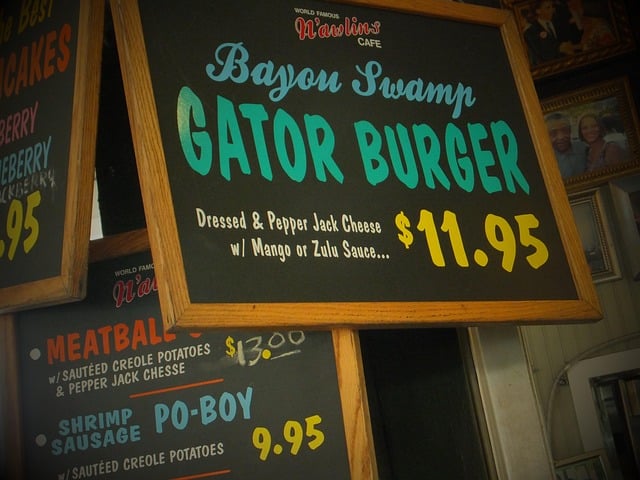
Don’t leave without trying fried alligator, chargrilled oysters, and Creole dishes like red beans and rice. The food culture here goes deep – restaurants that have served generations of families using recipes passed down through decades. Even casual neighborhood spots often serve food that would be considered special occasion dining in other cities.
Day Trips from New Orleans
Laura Plantation offers a completely different perspective from Oak Alley, focusing on Creole culture and the experiences of both free and enslaved people of color. The tour guides tell stories passed down through generations, bringing history to life in ways most museums struggle to achieve. Laura sits just 10 miles from Oak Alley, making a combination plantation tour an efficient day trip.
City Park deserves a full afternoon if you enjoy outdoor spaces. Beyond the sculpture garden and museum, you’ll find the New Orleans Botanical Garden, Storyland (a children’s playground with fairy-tale sculptures), and the Morning Call coffee stand serving beignets in a less touristy setting than Cafe du Monde. Rent a bike to explore the park’s oak-lined paths, or take a pedal boat out on Big Lake.
The Audubon Zoo, situated in an uptown neighborhood along the Mississippi River, houses more than 2,000 animals in exhibits designed to replicate their natural habitats. The Louisiana Swamp exhibit lets you see alligators, nutria, and other local wildlife up close without leaving the city. Combined with a streetcar ride and Magazine Street shopping, the zoo makes for an excellent day away from the French Quarter.
Practical New Orleans Planning Tips
Hurricane season runs from June through November, with August and September seeing the highest risk. Temperatures during summer months regularly exceed 90°F with humidity that makes it feel even hotter. December through May offers more comfortable weather for walking tours and outdoor activities, though you’ll pay premium prices during Mardi Gras season (usually February or early March).
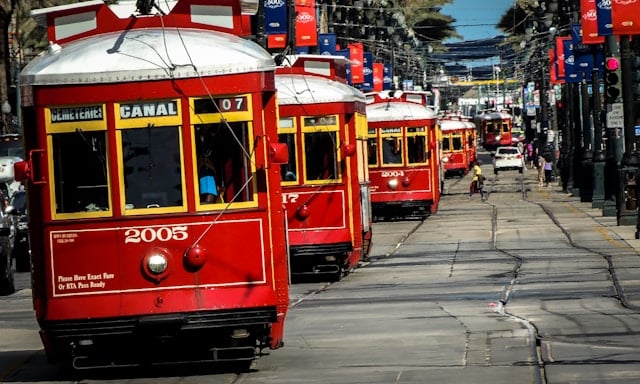
The French Quarter is extremely walkable, and many New Orleans neighborhoods are best explored on foot. The historic streetcar lines (St. Charles, Canal Street, and Rampart-St. Claude) provide cheap, scenic transportation for $1.25 per ride. A day pass costs just $3, making it a great value if you plan multiple trips. Rideshare services work well for late nights or when you’re outside the streetcar zones.
Skip the rental car unless you’re planning extensive day trips outside the city. Parking in the French Quarter and other tourist areas is expensive and difficult to find. The compact nature of New Orleans’ main attractions means public transportation and walking will cover most of your needs. For swamp tours and plantation visits, most operators include hotel pickup from the French Quarter and central business district.
Best Times to Visit New Orleans
Christmas in New Orleans brings mild weather, beautiful decorations throughout the city, and lighter crowds than you’d find during Mardi Gras or Jazz Fest. Many restaurants close on Christmas Day, but the city otherwise maintains its festive spirit. The Celebration in the Oaks light display in City Park runs from late November through early January, transforming the park into a sparkling wonderland.
Mardi Gras transforms New Orleans into the world’s biggest party. The actual parade season runs for about two weeks leading up to Fat Tuesday (the day before Ash Wednesday), but the energy builds for months. If crowds, parades, and endless celebrations appeal to you, Mardi Gras delivers an unforgettable experience. Book hotels many months in advance and expect to pay premium rates.
Jazz Fest, held over two weekends in late April and early May, celebrates Louisiana music and culture with performances from hundreds of artists on multiple stages. The festival also features outstanding Creole and Cajun food alongside the music. Crowds are substantial but manageable, and the quality of performances justifies the ticket price for music lovers.
What First Time Visitors Shouldn’t Miss
If you only have time for a few must-do experiences, start with beignets at Cafe du Monde while watching artists in Jackson Square. Take a walking tour through the French Quarter to understand the city’s history and architecture – the stories behind these buildings bring them to life in ways self-guided tours can’t match. Catch live jazz music on Frenchmen Street, where local musicians play for audiences who actually care about the music.
A swamp tour belongs on every first visit to New Orleans. The wetlands surrounding the city are utterly unlike anything most Americans have experienced, and seeing alligators and other wildlife in their natural habitat provides perspective on Louisiana’s unique ecosystem. These tours typically fill up quickly, so book at least a few days in advance during busy seasons.
Don’t try to see everything. New Orleans reveals itself slowly, through wandering down side streets, lingering over meals, and striking up conversations with locals who are generally happy to share their city. The best experiences often happen unplanned – a second-line parade you stumble upon, a tiny neighborhood bar with amazing music, or a conversation with an artist in Jackson Square.
Getting Around Town
The Central Business District and Warehouse District (home to the National WWII Museum) sit just upriver from the French Quarter, easily reached on foot or via the Canal Street streetcar. Many visitors stay in hotels in these areas, finding them more affordable than French Quarter properties while remaining walkable to major attractions.
Downtown New Orleans technically refers to the area downriver from Canal Street, including the French Quarter and Marigny neighborhoods. This confuses some visitors expecting “downtown” to mean the business district. Just remember that in New Orleans, geographical directions use “upriver” and “downriver” rather than north and south, reflecting the city’s relationship with the Mississippi River.
The historic streetcars serve different routes throughout the city. The St. Charles line is most popular with tourists, traveling through the Garden District past beautiful mansions. The Canal Street line connects downtown to City Park and the cemeteries near Esplanade Avenue. Buy a Jazzy Pass from the Regional Transit Authority for unlimited rides if you plan multiple streetcar trips.
A Road Trip Base
New Orleans makes an excellent starting point for exploring Louisiana and the Gulf Coast. Baton Rouge sits just 80 miles upriver, offering state capital tours and LSU campus visits. The Gulf Coast beaches of Mississippi and Alabama are within a few hours’ drive, providing a beach extension to your road trip if you have extra days.
Lafayette, the heart of Cajun Country, lies about two and a half hours west of New Orleans. This area offers even more opportunities for authentic Cajun food, zydeco music, and cultural experiences different from New Orleans’ Creole heritage. Many visitors add a day trip to Lafayette or spend a night there to experience both Louisiana cultures during their visit.
The Erin Rose pub, tucked on a French Quarter side street, serves as a local favorite for cheap drinks and po’boys. It’s the kind of place where tourists and locals mix freely, swap stories, and you might catch an impromptu jam session. These neighborhood spots make New Orleans feel less like a tourist destination and more like a real city where people actually live.
Essential Visitor Information
New Orleans’ drinking culture is both its charm and a potential pitfall. The open container laws that allow street drinking are liberating but can lead to overindulgence. Pace yourself, drink water between alcoholic beverages, and remember that the goal is enjoying the city, not spending your trip hungover. The heat and humidity amplify alcohol’s effects, so what feels moderate in other cities might hit harder here.
Safety in New Orleans requires the same awareness as any major city. The French Quarter, Garden District, and main tourist areas are generally safe during daylight hours. Exercise caution in less-traveled areas and after dark, especially if you’re alone. Keep valuables secure and stay in well-lit, populated areas. Uber and Lyft operate throughout New Orleans and provide safe late-night transportation. If you are travelling to the US to visit New Orleans, make sure to have a look at our USA eSIM to ensure you are always connected.
Tipping is crucial in New Orleans, where service industry workers depend on gratuities. Standard practice calls for 20% at restaurants, $1-2 per drink at bars, and $5-10 for tour guides depending on tour length and quality. Street performers and musicians also appreciate tips – if you stop to listen, tossing a few dollars in the hat supports the culture that makes New Orleans magical.
Why New Orleans Keeps Calling Visitors Back
The city’s resilience amazes everyone who learns its history. Hurricane Katrina devastated New Orleans in 2005, but the recovery effort demonstrated the community’s determination to preserve their culture. You’ll see this spirit throughout the city – in the music, food, and the way locals take pride in their neighborhoods.
New Orleanians have a saying: “laissez les bons temps rouler” – let the good times roll. This philosophy permeates everything from casual conversations to major festivals. It’s a city that understands celebration as an art form, where any occasion becomes a reason to gather, eat well, hear great music, and enjoy life.
What makes New Orleans totally worth visiting isn’t any single attraction. It’s the cumulative effect of the architecture, the music, the food, the mix of cultures, and the genuine welcome you receive. Other cities have good restaurants and historic sites. New Orleans has soul, and once you experience it, you’ll understand why people return again and again.
The Big Easy earned its nickname through a relaxed approach to life that still manages to deliver unforgettable experiences. Whether you spend your days learning New Orleans history at museums, dancing to a brass band in the street, or just wandering the Garden District admiring homes you’ll never afford, you’ll leave with stories and a desire to return. That’s the real magic of this city – it doesn’t just give you fun things to do, it gives you memories that last a lifetime.

Blog Author
Peter
Peter started BazTel.co to make mobile internet easier for travellers. He noticed how tough it was to find good network options while visiting new countries. That’s when he built BazTel — a place where anyone can buy eSIMs online without confusion or long steps. He believes tech should be simple and useful, not complicated. When he’s free, he likes to travel, test BazTel himself, and keep improving it based on real user problems.