
 Botswana
 Zambia
 Congo
Congo Colombia
 China mainland
 Chile
Chile Chad
Chad Central African Republic
 Canada
 Cameroon
 Cambodia
 Burkina Faso
 Bulgaria
 Brunei Darussalam
 Brazil
 Aland Islands
 Bosnia and Herzegovina
 Bolivia
 Belgium
 Belarus
 Bangladesh
 Bahrain
 Azerbaijan
 Austria
 Australia
 Armenia
 Argentina
 Algeria

France combines centuries of history with influential art, cuisine, fashion, science, and engineering. Its landscapes range from Paris and the French Riviera to Provence and the Alps, while landmarks, regional traditions, and global cultural contributions make the country a rich subject for interesting facts.
Its various and highly praised gourmet food, universalized by the Eiffel Tower and cracking open the Louvre, quaint villages, the flow of the artist over time, and the warm culture of cafés make it one of the most loved places on Earth.
However, besides the main attractions, there is still a range of astonishing, sometimes surprising and even lesser-known facts that can tell us how special and extraordinary France indeed is. So, whether you’re the one who always wants to know more, the one who loves to travel, or just the one who is thinking about a future trip, these amusing facts will give you a whole new view of France.
This blog is going to take you through 20 fun facts about France, each of those thoroughly explained, then useful info about eSIM connectivity for travelers, and finally, the conclusion that pulls it all together and the five frequently asked questions that serve as the guide for your trip.
Introduction to France
France, nestled in the heart of Western Europe, is a country celebrated for its rich history, exquisite cuisine, and undeniable romantic allure. From the snow-capped peaks of the French Alps to the sun-drenched shores of the French Riviera, France offers a breathtaking variety of landscapes that captivate travelers from around the globe.
As a popular tourist destination, it welcomes millions each year who come to marvel at iconic landmarks like the Eiffel Tower, explore the world-class art collections of the Louvre Museum, or wander the opulent halls of the Palace of Versailles.
Beyond its famous sights, France is a treasure trove of interesting and fun facts, with a culture steeped in tradition, innovation, and a passion for the finer things in life. Whether you’re drawn by its rich history, its vibrant cities, or its reputation for exquisite cuisine, France promises an experience that is as diverse as it is unforgettable.
French Food, Transport and Industry
France boasts a dynamic and diverse economy, ranking among the largest in the world. Renowned for its agricultural prowess, the country produces some of the finest wines globally, with regions like Bordeaux and the Champagne region setting the standard for quality and tradition. French cheese is another point of national pride, with over 1,600 different varieties ranging from creamy Brie to tangy Roquefort—making France a paradise for cheese lovers.
The French railway network is one of Europe’s most extensive, and the TGV high speed rail connects major cities such as Paris, Lyon, and Marseille with impressive efficiency and comfort. Beyond food and transport, France is also a powerhouse in the fashion industry, with Paris recognized as the world’s fashion capital, influencing trends and styles across the globe. Whether it’s savoring a slice of different French cheese or zipping across the country on a TGV, France’s contributions to global culture and industry are as varied as they are significant.
Education and Awards in France
France is home to a world-class education system, with prestigious institutions like the Sorbonne and École Polytechnique attracting students from around the globe. The country has a proud tradition of intellectual achievement, having produced numerous Nobel Prize winners, including celebrated authors Albert Camus and Victor Hugo.
The French government is also a pioneer in social responsibility, making France the first country to enact a law banning supermarkets from discarding unsold food, a move that has significantly reduced food waste and strengthened support for food banks and charities.
France’s commitment to preserving its cultural legacy is evident in its many sites and traditions that have earned UNESCO World Heritage status, ensuring that its rich history and heritage are protected for future generations. From academic excellence to innovative social policies, France continues to set benchmarks in education, culture, and humanitarian efforts.
Top 20 Fun Facts About France
History, culture, art, food and innovation are some of the things that make France an incredible country. Ruins of ancient Rome, the Louvre, and the Eiffel Tower, along with the inventions and films, are just some instances of the profound impact that France has had on world culture.
France is the largest country in the European Union and the third largest in Europe, making its geographic and political status especially significant.
These 20 fun facts about France unfold the charm, uniqueness, and astonishing contributions of the country to the world.
1. France Is Nicknamed “L’Hexagone”

Due to its specific contour, France is frequently referred to as “L’Hexagone,” meaning the “six-sided figure.” This moniker represents the country’s character and it is used a lot by the people living there and also in educational institutions. It symbolizes unity, structure, and the unique placement of France within Europe. The shape also makes it easy to reference in geography discussions.
- Refers to mainland France
- Six-sided geographic shape
- Commonly taught in schools
- Used by locals casually
- Symbol of national unity
2. France Is the World’s Most Visited Country
France is the most popular tourist destination in the world, attracting over 90 million tourists annually. Attracting tourists to the country from the whole world is the wonderful mix of art, architecture, fashion, beaches, mountains, and cultural variety. Paris, the best tourist city globally, is recognized for love, art and luxury in daily life. The Louvre, located in Paris, is the most visited art museum in the world, attracting around 8.7 million visitors in 2024 and drawing art lovers from around the globe.
Key Points:
- Over 90 million visitors yearly
- Paris is the top attraction
- Strong cultural reputation
- Attractions for all seasons
- Global tourism leader
3. France Has 45 UNESCO World Heritage Sites
France is home to more UNESCO World Heritage Sites than almost any other country, and it also boasts the most châteaux in the world, with an estimated 45,000. Many of these châteaux are protected under French law and are included as UNESCO World Heritage Sites.
- Mix of cultural and natural sites
- Includes iconic landmarks
- Strict preservation rules
- Globally recognized heritage
- Diverse historical periods represented
4. The French Eat 30,000 Tons of Snails Annually
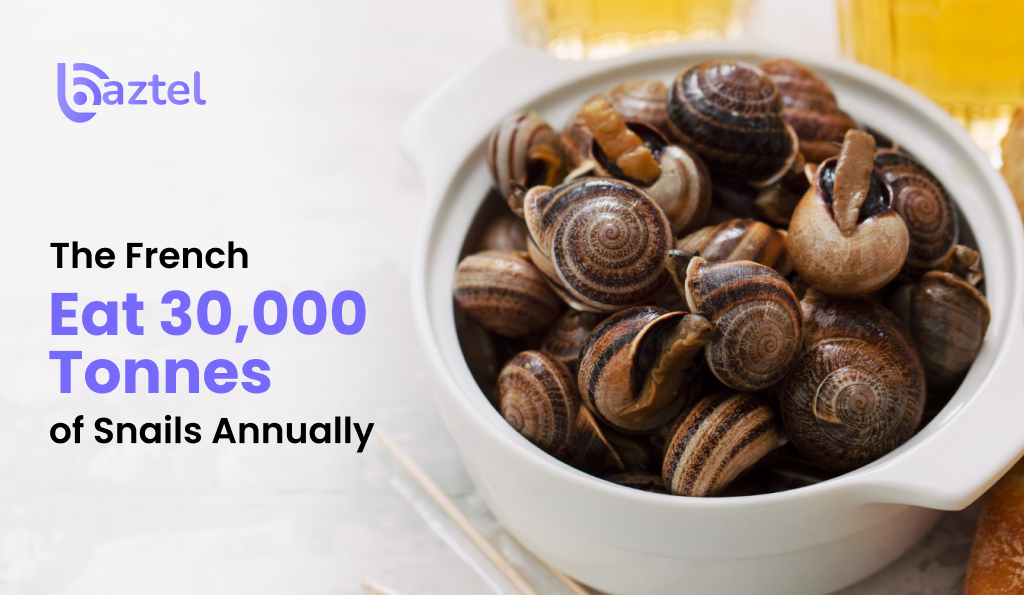
For the French, escargots are still the top delicacy, and French consume around 30,000 tons annually. Snails cooked in a mixture of garlic, herbs, and butter are still seen as the main part of the French culinary art and they have a cultural value. Coq au vin is another iconic French dish, recognized for its cultural significance and included in UNESCO’s intangible cultural heritage list. They express the boldness and variety of French cuisine, being usually served in the course of celebrations, holidays, and special events.
- Traditional French delicacy
- Cooked with garlic butter
- Popular during holidays
- Often farm-raised
- Almost entirely consumed locally
5. The Eiffel Tower Was Almost Temporary
Built for the 1889 World’s Fair, the Eiffel Tower was originally intended to stand for only 20 years. Its value in telecommunications saved it from demolition. Today, it symbolizes France and attracts millions annually, proving how a temporary structure became one of the world’s most iconic landmarks.
- Built for 1889 exposition
- Designed by Gustave Eiffel
- Saved due to radio use
- Global cultural symbol
- Attracts millions yearly
6. France Produces Over 1,000 Cheeses

France is a cheese lover’s dream, producing more than 1,000 varieties ranging from soft and creamy to strong and aged. Each region offers its own specialty, many protected by AOC laws. Cheese plays an essential role in French cuisine and culture, often featured in daily meals and celebrations.
- 1,000+ varieties
- Regional specialties
- Protected by AOC status
- Cultural significance
- Global cheese exporter
The French love for cheese is also deeply reflected in their culinary traditions, with cheese being an essential part of many meals and celebrations.
7. French Gastronomy Is UNESCO-Protected
In 2010, UNESCO approved French gastronomy, along with its traditional dining rituals and culinary techniques, as Intangible Cultural Heritage. The award emphasizes the cultural significance attached to the French meal, celebration, and cooking that goes on. It mirrors the high regard for the raw materials, the skills involved, and the collective happiness of eating together.
- UNESCO recognition in 2010
- Focus on dining rituals
- Emphasis on quality ingredients
- Strong cultural traditions
- Global culinary influence
8. The World’s First Public Film Screening Happened in France
The first paid public movie screening ever held by the Lumière brothers in Paris in 1895 is considered the beginning of modern cinema. The screening took place at the Grand Café, a historic venue in Paris. Their revolutionary work changed the whole world entertainment industry. This landmark event positioned France as the head of film innovation and narrative strategies, thus shaping the next wave of directors everywhere.
- Held by Lumière brothers
- Birth of cinema
- Paris hosted the event.
- Grand Café was the venue.
- Revolutionized entertainment
- Influenced global filmmaking
9. The Louvre Is the World’s Most Visited Museum
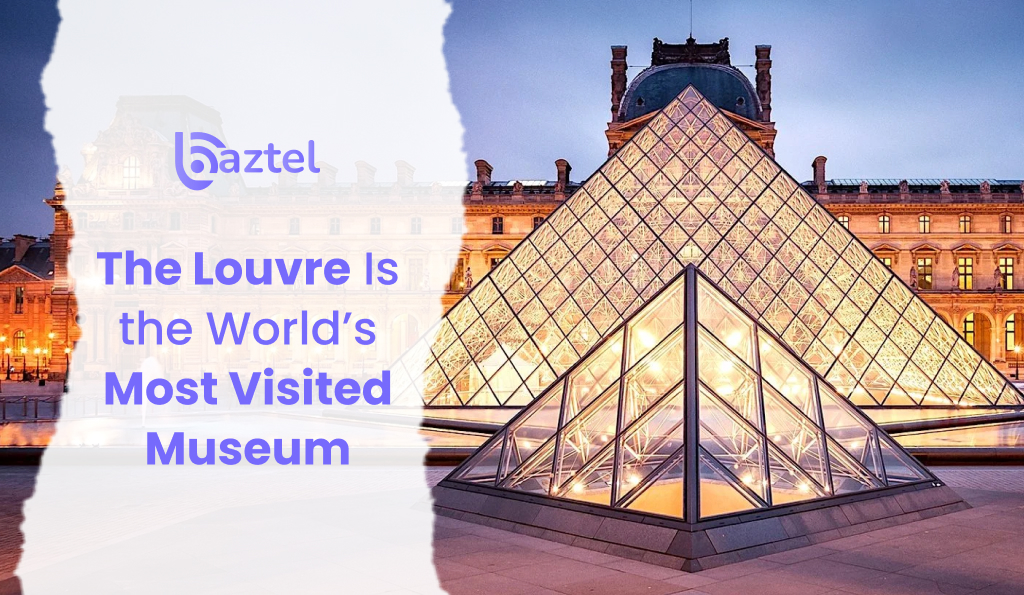
The Louvre Museum, having been a medieval fortress at first, is the most renowned art museum worldwide today. It holds a collection of more than 35,000 works of art and attracts a large number of visitors every year, approximately millions. The collection is so extensive that it includes masterworks such as the Mona Lisa and Venus de Milo, which demonstrate artistic talent that spanned from ancient societies to the present day.
- Home to famous artworks
- Former royal palace
- Millions of visitors yearly
- Largest art collection
- Global cultural treasure
10. France Is the Birthplace of Haute Couture
France was not merely the birthplace of haute couture; they brought it to life. Paris is widely recognized as the world’s fashion capital, known for its influence on global fashion trends and innovations such as denim and the bikini. This is high fashion, made with meticulous care; there is no aspect that is produced in large quantities. Paris is not just a city; it is the place where fashion vibrates. Chanel, Dior, and Givenchy are household names? They were not followers of trends; they were the trendsetters. The world of haute couture is made up of talent and creativity coming together in such a style that no one can impersonate it. It is during the Paris Fashion Week that the entire fashion industry is alerted to the upcoming trends.
- Originated in Paris
- Home to top designers
- Strict couture standards
- Luxury craftsmanship
- Global fashion influence
11. The Metric System Originated in France
During the French Revolution, France developed the metric system to unify and simplify measurements. It brought consistency to science, trade, and daily life. Today, the metric system is used worldwide, reflecting France’s groundbreaking influence on global standards and scientific progress.
- Created in 1790s
- Unified measurements
- Adopted globally
- Scientific significance
- Revolutionary-era innovation
12. France Allows Posthumous Marriages

Under French law, it is possible to marry a dead person (posthumous marriage) if you can prove that both parties intended to wed before the death occurred. This rare legal process requires substantial documentation and, in exceptional cases, the French president must personally approve the marriage. French law makes this unique provision, and it has been used in notable cases, often involving tragedies or extraordinary circumstances. For many, especially those grieving, this law carries deep emotional significance despite its complexity and strict regulation.
- Rare legal process
- Requires presidential approval
- Clear intent needed
- Emotional significance
- Highly regulated
13. France Has 12 Time Zones
France actually covers more time zones than any other country, 12 in all thanks to its overseas territories scattered across the globe. You’ll find these French regions in places like the Caribbean, the Indian Ocean, the Pacific, South America, even Antarctica. It really shows just how far France’s reach and influence have spread over the years.
- 12 global time zones
- Due to overseas territories
- Spans multiple continents
- Massive geographic reach
- Unique global influence
14. Pont du Gard Is One of the Oldest Functional Bridges

Constructed by the Romans in the 1st century AD, the Pont du Gard is an impressive aqueduct bridge that is still standing firmly. It not only shows the ability of ancient engineers but it is also a UNESCO site. Its monumental structure draws visitors and still ranks among the most intact architectural masterpieces of the Roman period.
- Roman aqueduct bridge
- UNESCO World Heritage Site
- Built in the 1st century
- Exceptional preservation
- Major tourist attraction
15. French Is Spoken on Five Continents
The French language is one of the world’s most widely spoken languages and is the official language of 29 countries across Europe, Africa, North America, South America, and parts of Asia. With over 300 million speakers, the French language holds major diplomatic and cultural significance. Its global spread reflects the historical and modern influence of France.
- 300+ million speakers
- French language is the official language in 29 countries
- Strong diplomatic role
- Widely taught worldwide
- Global cultural impact
16. Louvre Is the Largest Museum on Earth
The Louvre isn’t just famous, it’s huge. In fact, it’s the biggest museum on the planet if you go by exhibition space. Picture 72,000 square meters packed with art from all kinds of eras and places. You could easily get lost in there for a whole day, wandering through endless halls. No wonder it’s such a big deal in France.
- 72,000+ m² of galleries
- Immense global collection
- Ancient to modern art
- Former fortress
- Millions of yearly visitors
17. Paris Was Originally Called “Lutetia”
During Roman times, Paris was known as “Lutetia,” meaning “marshland.” Over centuries, it evolved into the cultural and political heart of France. Today, Paris stands as a global symbol of beauty, art, romance, and intellectual brilliance, vastly different from its humble Roman origins.
- Roman settlement origins
- Located on the Seine
- Grew over centuries
- Became national capital
- Known for culture and art
18. France Consumes 11 Billion Glasses of Wine Yearly

Wine runs deep in French culture—it’s everywhere, really. People in France drink about 11 billion glasses every year, which says a lot about just how old and rooted their winemaking tradition is. Bordeaux and Burgundy? Those regions are the big names everyone knows. Only sparkling wine produced in the Champagne region can legally be called Champagne; all other sparkling wines from France are categorized separately. For the French, wine isn’t just something you drink; it’s woven into daily life, showing up at the table, at parties, and whenever families get together.
- Ancient vineyard culture
- Bordeaux & Burgundy
- Symbol of French cuisine
- Strong export industry
- Wide variety of wines
19. Braille Was Invented in France
Louis Braille developed the Braille reading and writing system at age 15, revolutionizing accessibility for the visually impaired. His innovative method of raised dots is used globally today. The invention reflects France’s rich history of scientific progress and its contribution to inclusivity and education.
- Invented by Louis Braille
- Created in 1824
- Global accessibility tool
- Used worldwide
- Helps millions read
20. Cannes Film Festival Is the World’s Prestigious Cinema Event
Held annually on the French Riviera, the Cannes Film Festival is the most influential event in global cinema. It premieres visionary films, attracts celebrities, and awards the famous Palme d’Or. Cannes shapes film careers, trends, and artistic standards, strengthening France’s role as a leader in world cinema.
- Started in 1946
- Globally prestigious festival
- Palme d’Or is top award
- Attended by global celebrities
- Influences cinematic trends
eSIM Connectivity for Traveling in France
In France, using an eSIM makes keeping in touch very easy. Tourists do not have to buy physical SIM cards nor pay for high roaming anymore. eSIMs offer immediate activation, easy switching, and cheap data plans. They are perfect for GPS, translation, booking, and connecting during the whole trip.
Why eSIM Is the Best Option
- Quick activation upon arrival
- No SIM card swapping
- Affordable travel data plans
- Works across Europe if regional
- Reliable 4G/5G speeds
Tips for Using eSIM in France
- Ensure your phone supports eSIM
- Install before travelling
- Activate data once you land
- Use offline maps for remote areas
Conclusion
France is an amazing place that has a lot to see, historical remains, delicious meals, state-of-the-art tech, and a vibrant culture. France shares its borders with eight countries: Belgium, Luxembourg, Germany, Switzerland, Italy, Monaco, Spain, and Andorra.
The 20 fun facts about France listed above are proof of how remarkable and influential France is on the world stage. Whether you are exploring its art, sipping wine, hiking its mountains where Mont Blanc, located in the French Alps, stands as the highest mountain in Europe at 4,807 meters or just strolling in its towns, France leaves an unforgettable imprint every time. Additionally, moving around with eSIMs is a big plus.
In conclusion, France stands out as a country of remarkable diversity, rich history, and enduring charm. From the iconic silhouette of the Eiffel Tower to the bustling galleries of the Louvre Museum, France’s landmarks are symbols of its cultural legacy. Its commitment to reducing food waste and supporting sustainability reflects a forward-thinking approach, while its status as the most visited country in the world speaks to its universal appeal.
Whether you’re drawn by its fun facts, exquisite cuisine, or vibrant traditions, France offers endless opportunities for discovery and delight. With its blend of history, innovation, and beauty, France is a destination that continues to inspire and enchant visitors from every corner of the globe.
FAQs
1. What makes France unique?
France is differentiated by its wide-ranging nature, superior gastronomy, and gigantic historic buildings, along with cultural impact. The Eiffel Tower and Mediterranean beaches are just among the attractions it has to offer, and still, the experiences are countless. Its prominence in fashion, art, film, and science makes it a global power and an unforgettable place of travel for people from all corners of the world.
2. What is the best month to visit France?
The best months to go to France are from April to June and September to October. During these times, the weather is very reasonable, the tourist crowd is smaller, and nature is at its best. Spring season comes with the blooming of gardens, while autumn season presents the vineyards and the cooler weather. Summertime is perfect for the beach but can also be overcrowded, and wintertime is perfect for skiing.
3. Is France an expensive travel destination?
France is in the category of expensive countries, like, for example, Paris, the capital city, which is the most expensive one. Still, budget travelers can do a daily trip, saving money if they use public transport, eat in small local restaurants, and stay in inexpensive places. The great thing is that the majority of the tourist attractions, museums, and parks are either free or at discounted prices so that you can enjoy your visit to France without spending a fortune.
4. Should I use an eSIM in France?
Absolutely, an eSIM in France is a dependable and affordable option. It allows a person to activate instantly, buy data at a low price, and use no physical SIM cards. The person can remain online for the purposes of maps, reservations, and talking to people. It is perfect for short trips, long stays, and travelers moving between different European countries.
5. Is English widely spoken in France?
Yes, English is widely spoken in Paris, Nice, and Lyon, which are the most visited tourist-friendly locations. But in the case of small towns and rural areas, it would not be as common. Speaking some basic French phrases can ease communication and will usually be liked by the locals, thus making your travel experience smoother and more pleasant.
Interestingly, French was England’s official language for about 300 years after the Norman Conquest, showing a unique historical and linguistic connection between the two countries.

Blog Author
Peter
I'm Peter, the founder of BazTel. I built this company at the intersection of two things I know well: finance and travel. Before starting BazTel, I worked in investment analytics at State Street, one of the world's largest custodian banks, and later at TCorp, the New South Wales Government's investment…


