
 Botswana
 Zambia
 Congo
Congo Colombia
 China mainland
 Chile
Chile Chad
Chad Central African Republic
 Canada
 Cameroon
 Cambodia
 Burkina Faso
 Bulgaria
 Brunei Darussalam
 Brazil
 Aland Islands
 Bosnia and Herzegovina
 Bolivia
 Belgium
 Belarus
 Bangladesh
 Bahrain
 Azerbaijan
 Austria
 Australia
 Armenia
 Argentina
 Algeria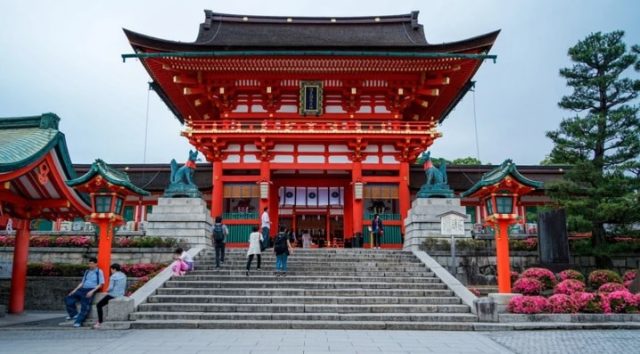

Picture yourself standing beneath a canopy of pale pink cherry blossoms in Tokyo, or watching crimson maple leaves drift across a temple garden in Kyoto. Timing your trip to Japan can mean the difference between experiencing these magical moments and battling oppressive humidity in a sea of tourists. After traveling to Japan across multiple seasons and consulting with local tour operators, I’ve learned that the best time to visit Japan depends entirely on what you want to experience—and what you’re willing to trade off.
The consensus among travel experts is clear: spring (March to May) and autumn (September to November) offer the most rewarding conditions for first-time visitors. These seasons deliver comfortable weather, stunning natural displays, and peak cultural experiences. However, they also bring larger crowds and higher prices. Understanding Japan’s distinct seasons, regional weather variations, and major holidays will help you choose when to visit Japan based on your priorities rather than generic advice.
Understanding Japan’s Four Distinct Seasons
Japan experiences four dramatically different seasons, each offering unique advantages for travelers. The Japanese archipelago stretches from subtropical Okinawa in the south to subarctic Hokkaido in the north, creating significant regional variations. As of January 2025, weather patterns remain stable, though cherry blossom forecasts indicate slightly earlier blooms due to warming trends.
Spring officially runs from March through May, bringing mild temperatures that average 13°C (55°F) in March and climb to 23°C (73°F) by May in major cities like Tokyo. Summer lasts from June through August, characterized by intense humidity, the tsuyu rainy season in June, and temperatures that frequently exceed 30°C (86°F). Autumn spans September through November, with comfortable temperatures ranging from 24°C (75°F) in September to 14°C (57°F) by November. Winter extends from December through February, with Tokyo experiencing daytime highs around 10°C (50°F) while Hokkaido sees temperatures plummet to -6°C (21°F) or lower.
Spring in Japan: Cherry Blossoms and Peak Travel Season
When Cherry Blossom Season Occurs
Cherry blossom season is the most iconic time to visit Japan, but also the most challenging to plan. The 2026 cherry blossom forecast from the Japan Meteorological Corporation indicates blooms will begin around March 19 in Tokyo and Nagoya, approximately five days earlier than average due to warmer winter temperatures. The famous sakura trees typically reach full bloom (mankai) within one week after the first blossoms open (kaika), and peak viewing lasts about seven to ten days before petals begin falling.
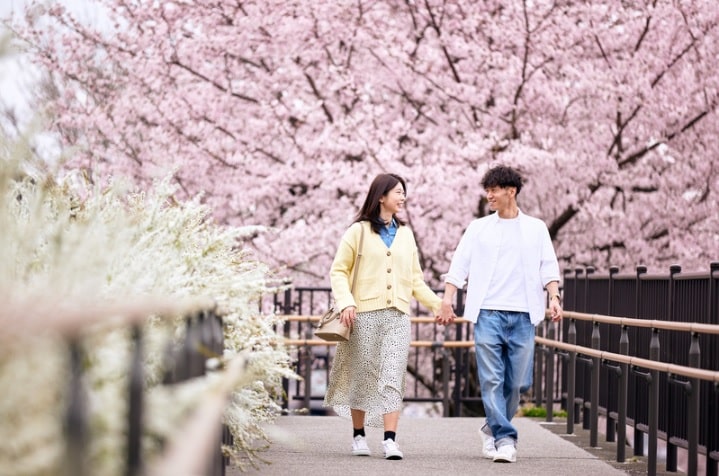
The cherry blossom front moves northward across the country between January and May. Southern regions like Fukuoka and Nagasaki see blooms from mid-March, often accompanied by early-blooming plum trees (ume) that flower in late February. While less famous than cherry blossoms, plum trees create stunning pink and white displays at gardens like Kitano Tenmangu in Kyoto and offer a preview of spring’s floral beauty. Tokyo and Kyoto cherry blossoms typically peak from late March through early April (March 24 to April 5 in most years). Northern cities like Sendai bloom in mid-April, and Hokkaido doesn’t experience cherry blossom season until late April through early May. This progression allows dedicated travelers to follow the sakura front northward, extending their viewing window.
Why Spring Is Popular (and Crowded)
The best time to visit Japan for cherry blossoms coincides with school holidays across North America, Europe, and Asia, creating perfect storm conditions for crowds. When I visited Tokyo during peak bloom in late March 2024, popular viewing spots like Ueno Park and Meguro River were packed shoulder-to-shoulder by mid-morning. Hotels in Kyoto, Tokyo, and Osaka book up six to twelve months in advance, and prices can double or triple compared to off-season rates.
Despite the challenges, spring in Japan offers advantages beyond the sakura season. Temperatures hover in the comfortable 15-20°C (59-68°F) range, perfect for walking tours and outdoor exploration. Cultural festivals like the Takayama Spring Festival showcase elaborately decorated floats, and the energy throughout Japan feels celebratory. If you’re willing to wake early—arriving at parks by 7:00 AM—you can experience hanami (flower viewing) with far fewer crowds.
Avoiding the Worst of Spring Crowds
The week before full bloom, roughly March 16-23, provides an underrated window to visit Japan. While some trees remain in bud, many are already displaying stunning pink petals, and you’ll encounter significantly smaller crowds and lower prices. Early December bookings are essential for any spring travel, and flexibility with your dates helps tremendously. Alternative viewing locations like Arakurayama Sengen Park near Mount Fuji or the Philosopher’s Path in Kyoto offer spectacular displays with fewer international tourists.
Golden Week, occurring from late April through early May, ranks among the worst time to visit Japan. This series of national holidays triggers massive domestic travel as Japanese families take extended vacations. Trains become fully booked, accommodations surge in price, and major attractions experience wait times exceeding two hours. Unless you specifically want to experience Japanese holiday culture, plan your spring visit to conclude before Golden Week begins or start in mid-May after it ends.
Summer in Japan: Festivals and Unforgiving Heat
The Reality of Japanese Summer Weather
Summer is often considered the worst time to visit Japan from a comfort perspective, though it offers unique cultural experiences. The season begins with tsuyu, the East Asian rainy season that typically lasts from early June through mid-July. This monsoon-influenced period brings frequent rainfall and high humidity, though not necessarily all-day downpours. After the rainy season ends, July and August deliver intense heat, with temperatures in Tokyo, Kyoto, and Osaka regularly exceeding 31°C (88°F) and feeling more like 41°C (106°F) due to humidity levels above 75%.
Testing summer conditions in Kyoto during July 2024, I found that simply walking outdoors for fifteen minutes left clothing drenched with perspiration. Air-conditioned respites in shops, museums, and train stations become necessary every thirty to forty minutes. The combination of heat and humidity makes outdoor sightseeing genuinely uncomfortable in most of mainland Japan from late June through August. However, Hokkaido remains a comfortable 26°C (80°F) during summer, making it Japan’s most appealing warm-weather destination.
When Summer Makes Sense
Despite challenging weather conditions, the summer months offer specific advantages for certain travelers. Matsuri (festivals) reach their peak frequency, with spectacular events like Kyoto’s Gion Matsuri in July featuring traditional music, dance performances, and elaborate fireworks displays throughout August. Mount Fuji opens for climbing from early July through early September, allowing hikers to summit Japan’s most iconic peak during the only accessible months. National parks like Nikko and Kamikochi showcase lush greenery and powerful waterfalls fed by summer rainfall. Beaches in Okinawa, Kamakura, and other coastal areas provide genuine beach resort experiences.
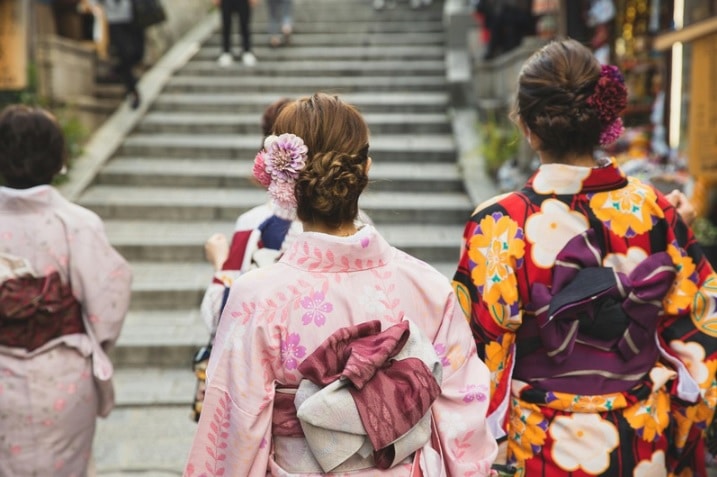
Budget travelers will find summer offers the cheapest time to visit Japan outside of winter. Flight prices drop significantly in June and early July before family vacation season begins, and hotel rates remain reasonable except during the Obon holiday in mid-August. The Obon festival, typically occurring August 13-16, mirrors Golden Week as a peak domestic travel period when Japanese people return to ancestral hometowns. This week brings sold-out trains, premium accommodation prices, and crowded attractions—plan around it if visiting during summer.
Making Summer Comfortable
If summer represents your only available travel window, strategic planning makes the experience manageable. Focus on northern Japan, particularly Hokkaido, where pleasant temperatures stay comfortable and the rainy season has minimal impact. Mountain destinations like the Japanese Alps and Hakone provide cooler microclimates. Schedule indoor activities—museums, art galleries, shopping, traditional performances—during peak heat hours (11 AM to 4 PM), and plan visits to outdoor attractions for early morning or evening.
Typhoon season peaks from August through October, with storms most likely to affect Okinawa, Kyushu, and Pacific coastal areas. While typhoons are well-managed in Japan and rarely dangerous for tourists, they can disrupt travel plans for one to two days. Monitor weather forecasts and maintain flexibility in your itinerary during late summer and early autumn.
Autumn in Japan: Peak Colors and Comfortable Weather
Understanding Japan’s Autumn Foliage Season
Many seasoned travelers consider autumn the best time to visit Japan, offering spectacular natural beauty with slightly fewer crowds than spring. The koyo (autumn foliage) season begins in mid-September in Hokkaido’s mountainous regions and progresses southward, reaching Tokyo and Kyoto from mid-November through early December. Peak viewing windows typically last two to four weeks in each location, providing more flexibility than the fleeting cherry blossom season.
The 2025 autumn foliage forecast indicates that Tokyo’s peak will likely occur around late November to early December, while Hokkaido reaches its most vibrant colors in early October. Kyoto’s famous temples like Eikando and Tofukuji display peak foliage from mid-November through early December. Popular viewing locations include the Nikko region (late October to early November), Mount Takao near Tokyo (late November), and the Arashiyama district in Kyoto (late November).
Why Autumn Rivals Spring
Autumn in Japan combines the comfortable weather of spring with marginally smaller crowds and less frantic energy. September temperatures around 24°C (75°F) feel pleasant after summer’s intensity, cooling to 14-18°C (57-64°F) by November. The weather generally stays dry with clear blue skies, creating ideal conditions for hiking popular trails like the Nakasendo Way or visiting temple gardens. The momijigari (autumn leaf hunting) tradition feels more relaxed than cherry blossom viewing, with fewer time pressures since foliage lasts longer.
Cultural experiences during autumn include harvest festivals showcasing seasonal foods like matsutake mushrooms, chestnuts, and persimmons. November 3rd marks Culture Day, bringing special events throughout the country with traditional music performances at temples and shrines. The Takayama Autumn Festival in early October features historic floats and traditional performances. Unlike spring’s sometimes chilly mornings, autumn provides consistently pleasant temperatures for outdoor attractions throughout the day.
Planning for Autumn Travel
While autumn sees fewer international tourists than cherry blossom season, November remains a peak travel month, particularly for popular destinations like Kyoto. Hotels in prime locations book up eight to twelve weeks in advance. The key to maximizing your autumn experience lies in timing—early October offers good weather and significantly smaller crowds if you’re willing to see early foliage rather than peak colors. Late September provides shoulder season pricing with warm temperatures, though trees remain mostly green except in northern regions.
October and especially November rank as the best months to see autumn leaves in Japan, with October offering the optimal balance of pleasant weather and manageable crowd levels. By late November, popular viewing spots in Kyoto become congested on weekends, though weekday visits remain relatively peaceful. Early December presents an underrated window—you’ll catch the tail end of foliage with winter pricing and minimal tourists, though temperatures drop to 10°C (50°F) or below.
Winter in Japan: Snow Sports and Peaceful Temples
What to Expect Across Japan’s Regions
The winter transforms Japan into two distinct experiences depending on where you travel. The Pacific side of Honshu, including Tokyo and Osaka, experiences relatively mild winters with daytime temperatures around 10°C (50°F) and mostly clear, dry conditions. These cities rarely see significant snowfall, though brief dustings occur occasionally. In contrast, the Sea of Japan coast and Hokkaido receive massive snowfall driven by the Siberian High pressure system, with some areas accumulating hundreds of inches throughout the winter season.
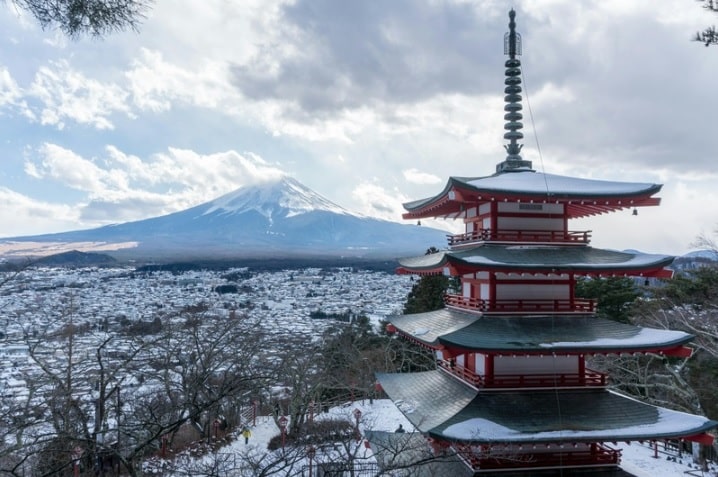
Northern regions capitalize on reliable snow conditions, operating world-class ski resorts like Niseko in Hokkaido and Hakuba in the Japanese Alps from December through March. February represents peak skiing season with the best snow conditions and clearest weather for viewing Mount Fuji. Winter also provides the most reliable visibility for Japan’s iconic mountain—while summer clouds frequently obscure Fuji-san, winter’s crisp air creates frequent viewing opportunities, particularly in the early morning.
Advantages of Winter Travel
Winter qualifies as the cheapest time to visit Japan, with flight and accommodation prices dropping dramatically from early January through February, except during the New Year holiday period (December 29 to January 3). This represents the true off-season for international tourism, meaning you’ll have temples, castles, and museums largely to yourself. The lack of crowds creates a more contemplative, peaceful Japan travel experience.
Cultural highlights include spectacular snow festivals, particularly Sapporo’s famous Snow Festival in early February featuring enormous ice sculptures and winter illuminations. Soaking in outdoor onsen (hot springs) while snow falls creates an quintessentially Japanese experience. New Year celebrations, while very crowded from December 29-January 3, offer deep cultural immersion with traditional hatsumode shrine visits, temple bell ringing, and special seasonal foods.
Winter travel does require accepting certain trade-offs. Days are short, with sunset around 4:30-5:00 PM in Tokyo, limiting sightseeing hours. Traditional ryokan inns often lack central heating, making rooms quite cold (though futons provide substantial warmth). The landscape appears barren compared to other seasons, and some attractions in mountainous areas close entirely for winter.
Regional Variations: Timing by Destination
Tokyo and Central Honshu
Tokyo represents a year-round destination, though the best time to visit Tokyo specifically falls during March-May and October-November when weather conditions optimal for walking the city. Summer humidity makes Tokyo uncomfortable, while winter remains perfectly manageable with proper clothing. The city’s extensive indoor attractions—museums, shopping, restaurants, entertainment districts—function excellently during any weather. Day trips from Tokyo to Mount Fuji, Hakone, Nikko, and Kamakura follow similar seasonal patterns.
Kyoto and Western Japan
Kyoto’s inland location creates more extreme seasonal variations than coastal Tokyo. Summers feel oppressively hot and humid, while winters bring occasional snow and consistently cold temperatures. The best time to visit Kyoto matches the national consensus: late March through mid-April for cherry blossoms, or mid-November through early December for autumn foliage. These peak periods make Kyoto Japan’s most crowded destination, with some hotels booked solid eight to twelve months ahead.
Hokkaido
Hokkaido operates on an offset schedule from mainland Japan. Summer (June-August) provides the most comfortable weather anywhere in Japan, with pleasant temperatures around 20-26°C (68-80°F), no rainy season, and stunning wilderness perfect for exploring national parks like Daisetsuzan and Shiretoko. Winter (December-February) transforms Hokkaido into a snow sports paradise with consistent powder snow. Cherry blossoms arrive in May, a month later than Tokyo. For travelers seeking pleasant temperatures when mainland Japan feels unbearable, Hokkaido represents the ideal solution.
Okinawa and Southern Islands
Southern Japan, including Okinawa and Kyushu, features subtropical climate patterns with year-round warmth. Winter temperatures rarely drop below 15°C (59°F) and summer highs around 31°C (88°F). However, this region experiences an extended rainy season from May through June and faces the highest typhoon risk from July through October. The best time to visit southern Japan falls during March-May (after the rainy season begins later here) or October-November when weather stays warm but typhoon risks diminish. National parks like Yakushima and Aso-Kuju offer unique hiking opportunities year-round, though summer months bring particularly intense humidity in these areas.
Peak Travel Seasons and Holidays to Avoid
The Five Busiest Periods
Understanding Japan peak travel season requires distinguishing between international and domestic travel patterns. The five most crowded periods combine both:
Cherry Blossom Season (Late March – Early April): The single busiest international tourism period bringing huge crowds to iconic viewing spots. Book accommodations 9-12 months ahead for major cities.
Golden Week (Late April – Early May): Japan’s largest domestic travel period, typically April 29-May 5. Trains, accommodations, and attractions become extremely crowded. International tourists should generally avoid these dates unless specifically interested in holiday atmosphere.
Obon Festival (Mid-August): Japan’s second-largest domestic travel period, usually August 13-16. Japanese families return to ancestral hometowns, creating transportation congestion and higher prices.
Autumn Foliage Season (November): Significant international tourism, particularly to Kyoto. While less intense than cherry blossom season, November weekends bring substantial crowds to popular viewing locations.
New Year Holiday (December 29 – January 3): Major domestic travel combined with some international visitors. Many businesses close, though major tourist attractions remain open. Prices spike and trains fill completely.
Additionally, Silver Week occurs in certain years when national holidays align to create an extended September break. The next Silver Week happens in 2026, bringing elevated domestic travel during late September.
Strategies to Avoid Crowds
Even during peak seasons, smart planning mitigates crowd impacts. Visit popular sites early—arriving at major temples and parks by 7:00-8:00 AM provides nearly empty experiences. Weekdays remain significantly less crowded than weekends during all seasons. Explore lesser-known alternatives: instead of Kyoto’s Fushimi Inari, visit smaller shrines; rather than Hakone’s crowded viewpoints, explore quieter hot spring towns.
Consider “second-tier” destinations that offer similar experiences with fewer tourists. Kanazawa provides comparable cultural richness to Kyoto with far fewer visitors. The Tohoku region showcases stunning autumn foliage without Kyoto’s crowds. Takayama and Shirakawago deliver traditional Japan experiences at a more relaxed pace.
Practical Considerations: What to Pack and How to Prepare
Packing for Each Season
Spring (March-May) requires layering capability. Bring a light jacket or sweater for cool mornings and evenings, but pack short-sleeve shirts for comfortable midday temperatures. Rain gear becomes essential by May as the rainy season approaches. Spring pollen affects many visitors, so allergy medication helps those sensitive to cedar and cypress pollen. Comfortable walking shoes remain critical as this is peak exploration season.
Summer (June-August) demands light, breathable fabrics—cotton, linen, and moisture-wicking materials. Light pants or shorts work well, paired with breathable shirts. Pack an umbrella or light rain jacket for the tsuyu rainy season. Sunscreen, a hat, and sunglasses become essential. Consider bringing a small towel to wipe perspiration. Layers remain somewhat important as air-conditioned indoor spaces can feel cold compared to outdoor heat.
Autumn (September-November) again calls for layering. September may still feel warm (pack like summer), but by November you’ll need sweaters, light coats, and potentially warmer jackets. Rain gear helps in September during lingering typhoon season. Comfortable walking shoes matter tremendously as autumn provides Japan’s best hiking weather.
Winter (December-February) requires proper cold-weather clothing for northern regions but only moderate layers for Tokyo and points south. Kyoto and Osaka experience cold but not extreme winter conditions. If visiting Hokkaido or skiing areas, pack as you would for any winter destination—heavy coat, warm layers, gloves, hat. The south remains quite mild, requiring just a jacket and sweater.
Booking Windows for Peak Seasons
The best time to book Japan travel depends entirely on when you plan to visit. For cherry blossom season (late March-early April) in major cities like Tokyo and Kyoto, secure accommodations 10-12 months in advance if possible. Top ryokans and boutique hotels book out even earlier. Autumn foliage season requires 8-12 weeks advance booking for November travel.
Golden Week, Obon, and New Year periods demand booking as soon as dates are confirmed—ideally 6-8 months ahead for Golden Week and New Year, 3-4 months for Obon. Summer and winter off-peak periods (June-early July, January-February) allow booking just 4-6 weeks ahead without issues, though early booking secures better rates.
Japan Rail Pass purchases should occur before arrival, available up to 3 months in advance through authorized vendors. For specific experiences like the Ghibli Museum, Tokyo Skytree, or popular restaurants, book 1-2 months ahead regardless of season. The most sought-after guides and private tour services book 6-12 months in advance during peak seasons.
Making Your Decision: Which Season Fits Your Priorities?
For First-Time Visitors
If this represents your inaugural Japan visit and you have complete flexibility, target early April for cherry blossoms or mid-late November for autumn foliage. These periods deliver the quintessential Japanese aesthetic that likely inspired your interest. Accept that you’ll pay premium prices and encounter crowds, but plan around them with early starts and weekday visits.
Alternatively, late May (after Golden Week) or early October provides exceptional weather with significantly fewer crowds. You’ll miss peak cherry blossoms or peak foliage, but you’ll experience a more relaxed, authentic Japan at better prices. Late May offers lush greenery and comfortable temperatures, while early October brings the first autumn colors and pleasant hiking conditions.
For Budget-Conscious Travelers
Winter (January-February) and early summer (June-early July) offer the most affordable Japan travel. January-February provides the absolute cheapest flights and accommodations outside of major holiday periods, with sunny, dry weather in most of the country. The short days and bare landscapes represent acceptable trade-offs for 30-50% cost savings. If your travels take you beyond Japan, such as to Turkey, be sure to check out these top 5 eSIM options for Turkey travel to stay connected easily during your trip.
June through early July brings the rainy season but rock-bottom prices before summer vacation season begins. If you don’t mind indoor activities and occasional downpours, this window delivers excellent value. Hokkaido escapes most rainy season impacts, making it the smart choice for June travelers.
For Avoiding Crowds
September and early-to-mid December emerge as the best months to visit Japan while avoiding peak crowds. September retains summer warmth but sees far fewer international tourists after school returns. Early December provides autumn foliage stragglers, pleasant weather, and minimal crowds before the New Year rush—though be prepared for temperatures around 10-15°C (50-59°F).
February also works well for crowd-averse travelers who don’t mind cold weather. You’ll have major attractions largely to yourself, experience winter festivals, and find excellent onsen conditions.
For Specific Activities
Hiking and outdoor activities: October for comfortable temperatures and autumn colors, or June-July in Hokkaido.
Skiing and snowboarding: January-February for best conditions.
Festivals and cultural events: July-August despite heat, or autumn for harvest festivals.
Photography: Late March-early April (cherry blossoms) or mid-November (autumn foliage). Make sure you share your photos with family and friends by staying connected with a Japan travel eSIM.
Beach and coastal activities: July-August in Okinawa and coastal areas.
The Verdict: There’s No Single Best Time
The best time to visit Japan depends entirely on your priorities. Spring and autumn deliver the most balanced experience with comfortable weather and stunning natural beauty, making them ideal for most first-time visitors despite crowds and higher costs. Summer offers cultural richness and budget advantages for those who can handle intense heat and humidity. Winter provides peaceful exploration and winter sports opportunities for cold-weather enthusiasts.
Rather than seeking a universal “best” time, identify what matters most to you: cherry blossoms, autumn foliage, comfortable weather, small crowds, budget pricing, or specific activities. Then choose your season accordingly and plan around its known challenges. Japan’s profound seasonal awareness means you’ll find beauty, excellent food, and memorable experiences regardless of when you arrive. The Japanese excel at celebrating each season’s unique gifts—and so can you, with the right timing and realistic expectations.
After visiting Japan during multiple seasons since 2017, I’ve concluded that late November and early May represent the sweet spots: good enough weather, smaller (though not absent) crowds, and reasonable prices while still catching seasonal highlights. But ask me again after experiencing Japanese summer’s festival energy or winter’s peaceful snow-covered temples, and my answer might change. That flexibility—that acceptance that every season offers something valuable—is perhaps the most important mindset for choosing when to visit Japan.

Blog Author
Peter
I'm Peter, the founder of BazTel. I built this company at the intersection of two things I know well: finance and travel. Before starting BazTel, I worked in investment analytics at State Street, one of the world's largest custodian banks, and later at TCorp, the New South Wales Government's investment…


