
 Botswana
 Zambia
 Congo
Congo Colombia
 China mainland
 Chile
Chile Chad
Chad Central African Republic
 Canada
 Cameroon
 Cambodia
 Burkina Faso
 Bulgaria
 Brunei Darussalam
 Brazil
 Aland Islands
 Bosnia and Herzegovina
 Bolivia
 Belgium
 Belarus
 Bangladesh
 Bahrain
 Azerbaijan
 Austria
 Australia
 Armenia
 Argentina
 Algeria

Planning a trip to Thailand but unsure when to book your flights? You’re not alone. With distinct seasons that shift dramatically throughout the year and crowds that fluctuate by region, timing can make or break your Southeast Asia adventure. The best time to visit Thailand is between November and February, when cooler temperatures meet sunny skies across most of the country. However, this simple answer doesn’t tell the whole story.
After spending multiple trips exploring Thailand across different seasons, I’ve learned that the best time to visit depends entirely on where you’re going and what matters most to you. Beach lovers heading to west coast beaches have different ideal months than culture seekers bound for Chiang Mai. Budget travelers can save hundreds by shifting their dates to the low season.
Understanding Thailand’s Three Seasons and Climate
Thailand experiences a tropical climate with three distinct seasons that vary by region. Recognizing these patterns helps you plan around weather extremes and tourist surges, making your time to visit Thailand more rewarding.
The cool and dry season runs from November through February, bringing the most pleasant conditions for most of the country. Daytime temperatures range between 75°F and 86°F (24°C to 30°C), with lower humidity and minimal rainfall. This dry season period coincides with high season, meaning higher prices and many tourists at popular destinations like Bangkok and island resorts. The cool season delivers mild temperatures perfect for outdoor activities from temple exploration to trekking in national parks.
From March to May, the hot season transforms Thailand into a sweltering paradise. Temperatures regularly exceed 95°F (35°C), with April typically being the hottest month across Southeast Asia. Northern Thailand cities like Chiang Mai and Chiang Rai can reach 104°F (40°C). While east coast beaches and west coast beaches remain popular during these summer months, inland exploration becomes challenging during midday heat.
The rainy season, also called the wet season or monsoon season, spans June through October. Contrary to popular belief, this doesn’t mean constant downpours. Rain typically arrives in intense afternoon showers lasting one to two hours, followed by clear skies. Precipitation peaks in September and early October, particularly in southern coastal areas. This low season sees fewer tourists and significantly lower prices at hotels, making it the best time to visit for budget-conscious travelers.
Month-by-Month Weather Breakdown for Thailand
January to March: Best Time to Visit Thailand for Weather
January marks the peak of the cool season, offering arguably the best weather to visit Thailand. Northern Thailand regions enjoy pleasantly mild temperatures, perfect for temple exploration and trekking. When you visit Bangkok during January, you’ll experience comfortable 88°F (31°C) highs with minimal rain. The Andaman Coast, including Phuket and Krabi, experiences ideal beach conditions. However, Koh Samui on Thailand’s east coast can still see occasional showers as the northeast monsoon lingers.

February continues the excellent dry weather pattern with slightly warmer temperatures. This is the last month before the burning season begins in northern Thailand, making it an optimal time to visit Chiang Mai and Chiang Rai. The first weekend of February often features the Chiang Mai Flower Festival, a spectacular celebration showcasing elaborate floral displays and parades. Both the west coast and east coast beaches enjoy sunshine and calm seas, though prices remain elevated during this peak time.
March to May: Hot Season, Songkran, and Lower Travel Costs
March signals the transition to hot season across Thailand. Temperatures climb above 90°F (32°C) nationwide. Northern Thailand begins experiencing haze from agricultural burning, which can severely impact air quality through April. This phenomenon, known as burning season, can reduce visibility and cause respiratory discomfort. Southern beaches remain attractive as the heat is tempered by sea breezes along the Andaman Sea.
April is Thailand’s hottest month, with temperatures frequently exceeding 100°F (38°C) in central and northern regions. However, mid April also hosts Songkran, the Thai New Year water festival held April 13-15, drawing visitors for the country’s largest celebration. The festival features spirited water fights and cultural ceremonies across Thailand. Despite the heat, when you visit Thailand’s beaches during April, you’ll find them busy as families take advantage of school holidays.
May marks the beginning of the rainy season in most regions, though the east coast areas like Koh Samui enter their driest months. Afternoon showers become common but rarely disrupt island hopping plans. This shoulder season offers a sweet spot for budget travelers, with lower prices and manageable weather creating great opportunities to visit Thailand without the peak season premiums.
June to October: Thailand’s Monsoon Season Explained
From June through August, the monsoon season brings regular rainfall to the west coast and northern Thailand. However, the east coast beaches—particularly Koh Samui, Koh Phangan, and Koh Tao—enjoy relatively dry weather during these summer months, making them the best choice for beach vacations. Rain on the Andaman Coast typically arrives in short bursts rather than all-day downpours, and the lush greenery that follows creates stunning scenery in Khao Sok National Park.

September and early October see peak rainfall across most of Thailand. The west coast experiences the heaviest precipitation, sometimes making boat trips to islands like Koh Lanta and Koh Yao Noi unsafe. Northern regions become lush jungles but difficult to navigate. Conversely, Thailand’s east coast transitions into its wet season starting in October, with November and December being the wettest months for that region.
October also brings the Vegetarian Festival, celebrated across Thailand but most prominently in Phuket. This nine-day event features elaborate processions and demonstrates the cultural richness you can experience even during the low season. The Vegetarian Festival typically falls in early October and offers a unique glimpse into Thai-Chinese traditions.
November to December: Cool Season, Festivals, and Peak Tourism
November represents a turning point as the cool season begins. Rainfall decreases significantly, cooler temperatures become comfortable, and the country prepares for the busy winter months. This shoulder month offers one of the best times to visit Thailand, balancing good weather and reasonable prices before the December rush. The Loy Krathong festival, typically held in November, adds cultural richness with floating lanterns illuminating waterways nationwide.
December through early January brings peak tourism as comfortable temperatures and dry weather attract visitors worldwide to Southeast Asia. Accommodation prices spike, especially around Christmas and New Year. When you start planning a trip for these winter months, booking several months in advance is essential for preferred hotels and resorts during this high season period.
Regional Weather Variations Across Thailand
Thailand’s geography creates distinct weather patterns between regions, a crucial factor when determining the best time to visit different areas.
When you visit Bangkok and central Thailand, you’ll experience all three seasons clearly. The capital is best visited from November to January when temperatures and humidity are most bearable. From March through May, heat and air pollution can make sightseeing uncomfortable. The rainy season brings afternoon storms but rarely disrupts plans significantly in this resilient city.
Northern Thailand, including Chiang Mai and Chiang Rai, has the most dramatic temperature variations year round. Cool season nights can drop to 59°F (15°C) in mountainous areas near the Golden Triangle, requiring warm layers. The burning season from February to April creates hazardous air quality as farmers clear fields. I’ve experienced days in March when visibility dropped to less than a mile due to smoke. If you have respiratory issues, avoid northern Thailand during these months. The Chiang Mai Flower Festival in early February offers a perfect time to visit before air quality deteriorates.
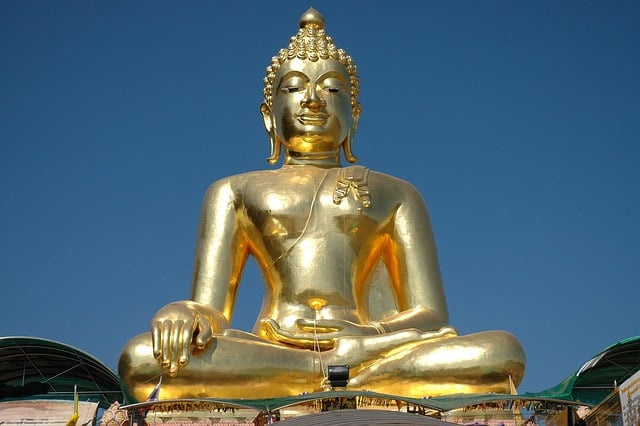
The west coast, home to Phuket, Krabi, and the Phi Phi Islands along the Andaman Sea, follows a straightforward pattern. November through April offers optimal conditions with calm seas perfect for snorkeling and water sports. The southwest monsoon from May to October brings rough seas and frequent rain to west coast beaches, though you can still find sunny days between showers. Many dive operators close or reduce services during the wettest months.
The east coast operates on an inverse schedule, making the time to visit Thailand’s eastern beaches quite different. Koh Samui, Koh Phangan, and Koh Tao experience their driest weather from January to August, making them the ideal destination when west coast beaches face monsoon rains. Their rainy season peaks from October to December. This regional difference means you can enjoy east coast beaches when the Andaman Coast faces heavy rain, ensuring good weather somewhere in Thailand year round.
Best Times for Different Types of Travelers
Beach enthusiasts should target November to March for west coast beaches, enjoying Phuket and Krabi at their finest with guaranteed sunshine and lower humidity. For east coast beaches like Koh Samui, February to August provides the most reliable sunny skies. The best time to visit Thailand for beaches overall is February and March, when both coastal areas generally experience favorable conditions perfect for island hopping.
Culture and temple explorers will appreciate November to February when comfortable temperatures make walking tours through ancient ruins enjoyable. Bangkok’s Grand Palace and Ayutthaya’s historical sites are best experienced during these cooler months. When you visit Bangkok specifically, late November through January offers the best season for sightseeing with fewer crowds than the peak December-January rush.

Budget travelers can maximize value during shoulder months—May to June and September to early October. Accommodation costs drop by 30-50% compared to peak season, and this off season period comes with fewer tourists at major attractions. While you’ll encounter some heavy rainfall, it’s manageable and comes with the bonus of lush scenery and emptier temples. The rainy season Thailand offers can actually enhance certain experiences, like visiting waterfalls in Khao Sok National Park when they’re at full flow, surrounded by lush jungles.
Adventure seekers and hikers should focus on November through February for trekking in northern Thailand and exploring national parks. The cool season provides comfortable temperatures for outdoor activities and clear skies for mountain views. Avoid the burning season months of March and April when air quality makes hiking unpleasant. The Golden Triangle region near Chiang Rai offers excellent trekking during the dry season.
Festival lovers have multiple prime opportunities throughout the year. Songkran in mid April offers the exhilarating Thai New Year water festival, despite the intense heat. The Chiang Mai Flower Festival in early February showcases northern Thailand’s horticultural heritage. Loy Krathong, typically in November, provides a more serene experience as thousands of candlelit krathongs float along rivers and waterways. In Chiang Mai, Loy Krathong coincides with Yi Peng, when thousands of sky lanterns create an unforgettable spectacle. The Vegetarian Festival in October adds another cultural dimension to Thailand’s festival calendar.
Avoiding Crowds and Maximizing Your Budget
Peak season in Thailand runs from late November through February, with December being the busiest and most expensive month. Hotels in popular areas like Chiang Mai, Phuket, and Bangkok can charge double or triple their low season rates. I’ve seen beachfront hotels in Krabi go from $40 per night in June to $120 in December for the same room.
To experience fewer crowds in Thailand while still enjoying great weather, target the shoulder months of late October, November, and late February. These periods offer the sweet spot of improving or still-favorable dry weather without the peak season premiums. Flights booked through a reputable travel company also cost significantly less when scheduled for shoulder season dates.
The rainy season from June to October presents excellent value for budget-conscious travelers. Despite the name, rain typically arrives in short afternoon bursts, leaving mornings and evenings with sunny days. Accommodation discounts during the low season can reach 50% off peak rates, and you’ll encounter fewer tourists at popular sites. I’ve enjoyed private pools at luxury resorts during September for less than the cost of a basic room in January, proving that when you visit Thailand depends heavily on your budget priorities.
Consider visiting less-popular destinations that offer similar experiences to tourist hotspots. Koh Lanta provides beautiful west coast beaches with a fraction of Phuket’s crowds. Koh Yao Noi offers pristine Andaman Sea scenery without the development. Pai in northern Thailand offers mountain scenery and a bohemian vibe without Chiang Mai’s tourist infrastructure. These alternative destinations maintain lower prices even during peak months and provide more authentic experiences year round.

The low season also means better availability for island hopping adventures. You can spontaneously book boat trips and accommodations without advance planning, creating a more flexible Southeast Asia itinerary. National parks like Khao Sok become especially rewarding during the wet season when waterfalls are most impressive and wildlife viewing improves.
Making Your Final Decision on When to Visit
The best time to visit Thailand ultimately depends on your priorities and destination. For most travelers seeking the classic Thailand experience with temples, beaches, and cultural sites, November to February delivers ideal conditions across the country with dry weather and cooler temperatures. However, this best season comes with premium prices and substantial crowds.
If saving money matters more than perfect weather, the shoulder season months of May to June and September to early October offer tremendous value. You’ll encounter some heavy rain, but it’s rarely disruptive enough to ruin your trip. The east coast beaches specifically shine from February to August, providing a rain-free alternative to west coast beaches during summer months.
Avoid March and April in northern Thailand if air quality concerns you, and skip the east coast from November to December if you’re after guaranteed sunshine. Research your specific destinations, as Thailand’s regional variations mean the best time to visit different areas varies dramatically. The time to visit Thailand for optimal experiences depends on whether you prioritize the west coast, east coast, northern regions, or cultural hubs like Bangkok and Chiang Mai.
When you start planning your Thailand adventure, consider that the country offers rewarding experiences year round. The wet season brings lush scenery and fewer tourists, while the dry season offers reliability and comfort. Winter months provide the safest bet for first-time visitors to Southeast Asia, while experienced travelers often prefer the low season for its authenticity and lower prices.
Remember that Thailand’s weather patterns are becoming less predictable due to climate change. What historically held true may shift slightly year to year. Check recent weather reports for your travel dates and maintain some flexibility in your plans. Whether you visit Thailand during peak time or off season, the reward for timing your visit wisely is an experience that matches your budget, interests, and comfort level perfectly.

Blog Author
Peter
I'm Peter, the founder of BazTel. I built this company at the intersection of two things I know well: finance and travel. Before starting BazTel, I worked in investment analytics at State Street, one of the world's largest custodian banks, and later at TCorp, the New South Wales Government's investment…


