Botswana
 Zambia
 Congo
Congo Colombia
 China mainland
 Chile
Chile Chad
Chad Central African Republic
 Canada
 Cameroon
 Cambodia
 Burkina Faso
 Bulgaria
 Brunei Darussalam
 Brazil
 Aland Islands
 Bosnia and Herzegovina
 Bolivia
 Belgium
 Belarus
 Bangladesh
 Bahrain
 Azerbaijan
 Austria
 Australia
 Armenia
 Argentina
 Algeria

I still remember stepping off a 3am flight into Manila, sweat sticking to my shirt before I’d even reached the taxi rank. That was January. By midday, I was on a bangka boat in El Nido, water so clear I could count starfish from the deck. That trip taught me something simple: the best time to visit the Philippines isn’t a single answer. It depends on what you want from those 7,000-plus islands.
I’ve been back four times since. I’ve planned trips around festivals, ducked typhoons by changing islands mid-flight, and once spent three days stuck in a Cebu hotel watching rain sheet sideways across the bay. So here’s the honest version. No tourism-board fluff.
The Two Seasons That Shape Every Trip
The country runs on two seasons: the dry season and the wet season. The dry season runs from December to May. The wet season, sometimes called the southwest monsoon season or habagat, runs roughly June to October or November. That’s the framework. Everything else is nuance.
Locals split the dry season further. December to February is cool and dry, with temperatures ranging from 24°C to 31°C — comfortable for sightseeing and outdoor activities. The dry season is characterised by warm, sunny weather, ideal for beach visits and exploring. March to May is hot and dry, with temperatures often pushing the mid-30s in lowland cities. These months get particularly humid, and high humidity can make a midday walk feel like a workout.
The rainy season brings the typhoon season too, peaking around July and August.
One thing worth knowing early: Mindanao, including Davao City, sits outside the typical typhoon belt. Weather there is less dramatic year round, which makes the south a quiet bet when the north is getting hammered.
When Is the Best Time to Visit the Philippines?
For most travellers, the best time to visit the Philippines is December to February. Cooler temperatures sit between 24°C and 31°C. Rain is minimal and the seas are calm — optimal beach conditions. Island hopping in Palawan, Boracay and Coron is at its best, and underwater visibility for diving is excellent.
This is high season. You’ll pay more, and popular beaches fill up. The month of December is the busiest for tourism in the Philippines, with prices spiking around Christmas and New Year. If you want the same dry weather without the holiday rush, aim for early November or mid-January through February. November to April generally provides good weather nationwide for travel.
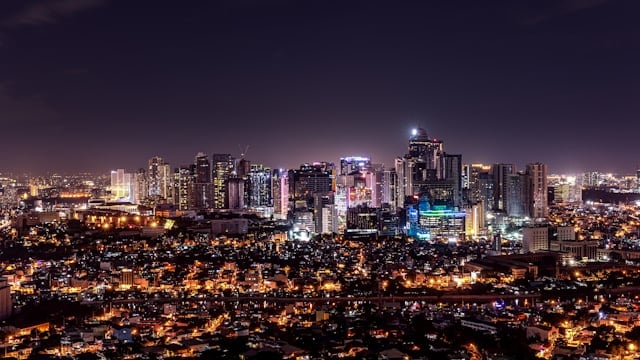
The second-best time to visit the Philippines, in my opinion, is March to May. The crowds thin, hotels drop their rates, and you still get sunny days. The trade-off is heat. By April, walking through Manila feels like wading through warm soup. Holy Week, usually in late March or April, is the one local holiday to plan around. Domestic tourists pour into popular destinations, ferries book out, and rates jump. Lock in accommodation early if you’re travelling during Holy Week.
Month by Month: What I’ve Actually Experienced
Jan Feb Mar Apr is the prime window. January brought me the Sinulog Festival in Cebu, which is held on the third Sunday and honours the Santo Niño. The streets pulse with drums and dancing for hours. The same weekend, Ati-Atihan runs in Kalibo, often called the mother of all Philippine festivals. In February, Baguio hosts the Panagbenga Flower Festival, with cooler mountain air and grand floral parades that draw thousands. These drier months are also prime for hiking — trails are dry, skies are clear, and the mountains are at their best.

March and April bring the heat but also the calmest seas. These are the best months for diving in El Nido, Coron and Siargao. I once did three dives in a single morning off Apo Reef in late March. Marine life everywhere, water like glass.
May is the bridge. It’s hot, but Pahiyas in Lucban, Quezon, and Flores de Mayo processions across the country make it a wonderful time for cultural experiences. May is also a shoulder month with fewer tourists than peak. Together with November, it’s considered the second-best time to visit the Philippines — less crowded and still pleasant before the rainy season kicks in.
Jun Jul Aug Sep is the wet season at full tilt. Rain doesn’t fall every day, but when it does, it falls hard. The wet season runs from June to October, with the heaviest rainfall usually in July and August, which can disrupt travel plans due to flooding and typhoons. Domestic flights take a hit, and the eastern coastline of Luzon and Samar gets the brunt. August in Davao City brings the Kadayawan Festival, a week-long celebration of indigenous culture and harvest. If you want to visit the Philippines on a budget, this stretch offers lower prices and fewer crowds. Pair that with flexible global eSIM coverage and just build flexibility into your plan.
October is shoulder season again. The rain eases, prices stay low, and you can still get great beach days, especially in the central Visayas and Palawan, which are largely sheltered.
November to early December marks the return of dry weather. Early November is one of my favourite times to visit. The country feels fresh after the rains, the rice terraces in Banaue are still lush green, and you’ll find fewer crowds before the December rush.
Festivals Worth Planning a Trip Around
Festivals are woven into Filipino life. There are dozens, and timing your visit to catch one transforms the trip. Some festivals I’ve been to or have on my list:
- Ati-Atihan (third Sunday of January, Kalibo): Painted faces, non-stop drums, anyone can join the dancing.
- Sinulog (third Sunday of January, Cebu): Religious procession plus street party. Massive crowds.
- Panagbenga (February, Baguio): Flower floats, cooler temperatures, month-long programme.
- Pahiyas (15 May, Lucban): Houses decorated with rice wafers and produce, honouring the patron saint of farmers.
- Kadayawan (August, Davao City): Indigenous heritage, floral floats, and a quieter, more local feel than the January festivals.
If festivals are your reason for travel, January and February are unbeatable. The first quarter packs more cultural festivals than any other stretch of the year.
Best Time for Specific Activities
Beach and island hopping: December to May. Calm seas, sunny days, and minimal rainfall make this period ideal. The Chocolate Hills in Bohol, Kawasan Falls in Cebu, and Soda Springs near Camiguin are all easier to enjoy in the dry season.
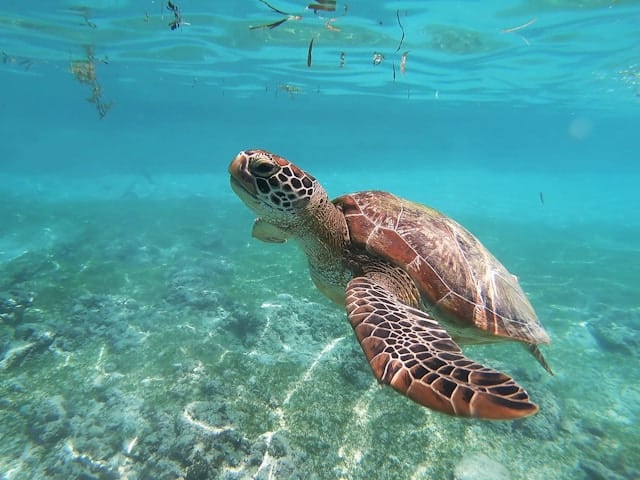
Diving and snorkelling: March to May for the best underwater visibility. Marine life along Tubbataha Reef is at peak access from mid-March to mid-June.
Hiking: December to February. Cooler temperatures, dry trails. The rice terraces of Banaue and the Cordillera mountains are stunning at this time.
Surfing: July to October on east-facing breaks like Siargao’s Cloud 9. December to March on west-facing coasts like La Union.
Budget travel: June to October. The low season cuts accommodation prices significantly, sometimes by half.
What About Typhoons and Holy Week?
Two things that catch travellers out. First, the typhoon season runs from June through November, with the worst usually in August and September. According to PAGASA, the country averages around 20 tropical cyclones a year, with about half making landfall. Travel insurance that covers weather disruption is non-negotiable for wet season trips.
Second, Holy Week. It shifts each year but lands in late March or April. Domestic flights, ferries and resorts in popular beaches fill up weeks ahead. Manila empties out, which is great if you’re in the capital, but every island worth visiting gets packed. Book early or pick more remote areas like Romblon or Masbate.
What to Budget for Accommodation
Quick reality check on costs, because the dry season and wet season change the maths a lot.
In high season — roughly December through to early May — popular destinations like El Nido, Boracay and Bohol see rates climb sharply. Beachfront places I’ve stayed at for ₱2,500 a night in October have been ₱5,000 the following January. If you want dry weather without the inflated prices, early November and late May are my picks. Same sunny days, fewer tourists, and rates closer to off-peak.
In the wet season, June through October, prices drop across the board. I’ve found mid-range guesthouses in Cebu for under ₱2,000 a night and even the bigger resorts cut rates to fill rooms. Davao City stays affordable year round and is a good base if the typhoon season is causing chaos further north.
As a rough guide based on what I’ve actually paid: ₱1,000–2,000 (about $20–40 USD) for budget guesthouses, ₱2,500–5,000 ($50–100 USD) for mid-range hotels, and upwards of ₱10,000 ($200 USD) per night for luxury resorts in popular spots. Prices subject to change, especially around Holy Week and Christmas.
Getting Online the Moment You Land
A practical bit from someone who’s done this the hard way. On my first trip I queued for a local SIM at NAIA airport for nearly an hour, then spent the next day figuring out the activation. Now I sort connectivity before I fly, leaning on the best eSIM cards for international trips.
Full disclosure — I work for BazTel, so take this as you will. But I also use the product on every trip. BazTel offers some of the best eSIM plans for the Philippines starting from $1, covering 160-plus countries if you’re island-hopping across Southeast Asia. The setup process changed recently and it’s the bit that matters most for travellers.
After you buy an eSIM, it appears on your online dashboard. From there you tap a single install button — one for iPhone, one for Android — and it loads onto your phone. No QR code to scan, no app to download. I tested it from my hotel in Sydney before a recent trip to Cebu, and it took under a minute. Using eSIM plans for international travel means the eSIM activates when you land and connect to a local network. Genuinely useful when you’re tired and just want maps to work.
Final Thoughts: Pick Your Season, Then Pick Your Island
Three takeaways from my trips so far:
- For first-timers, the best time to visit the Philippines is January to March. Reliable dry weather, the best festivals of the year, and prime conditions for the beaches and islands most people come to see.
- For repeat visitors or budget travellers, May and October are the underrated shoulder months. Lower prices, fewer crowds, still plenty of sunny days.
- For festival lovers, plan around January’s Sinulog and Ati-Atihan, or February’s Panagbenga. These cultural experiences are why I keep coming back.
The Philippines isn’t a tropical paradise you visit once and tick off. Every trip I’ve taken has shown me a different country — different islands, different festivals, different weather. Pick the season that fits your trip, sort your eSIM before you fly, and leave room in the plan for the surprises. They’re the bit you’ll remember.

Blog Author
Peter
I'm Peter, the founder of BazTel. I built this company at the intersection of two things I know well: finance and travel. Before starting BazTel, I worked in investment analytics at State Street, one of the world's largest custodian banks, and later at TCorp, the New South Wales Government's investment…