Botswana
 Zambia
 Congo
Congo Colombia
 China mainland
 Chile
Chile Chad
Chad Central African Republic
 Canada
 Cameroon
 Cambodia
 Burkina Faso
 Bulgaria
 Brunei Darussalam
 Brazil
 Aland Islands
 Bosnia and Herzegovina
 Bolivia
 Belgium
 Belarus
 Bangladesh
 Bahrain
 Azerbaijan
 Austria
 Australia
 Armenia
 Argentina
 Algeria

Planning a trip to Italy? Staying connected shouldn’t break the bank or slow you down. After spending three weeks exploring everything from Rome’s ancient ruins to the Amalfi Coast’s winding coastal roads, I learned that having reliable mobile data makes all the difference between a smooth adventure and a stressful scramble.
The answer to affordable connectivity in Italy is simple: an eSIM for Italy. These digital SIM cards let you skip the airport queues, avoid eye-watering roaming charges, and get online the moment your plane touches down. The best eSIM for Italy combines affordability, strong coverage, and instant activation. BazTel delivers exactly that, with plans starting at just $1 for 1GB—perfect for testing the service before committing to larger data packages. For more details on how to get an eSIM data plan for Europe, check out our in-depth guide.
In this guide, I’ll walk you through everything you need to know about choosing the best eSIM plan for your Italian adventure. You’ll discover which providers offer the best value, how much data you actually need, and how to set up your eSIM before you even leave home.
Why Choose an eSIM for Italy Over Traditional Options
When I first visited Italy, I made the rookie mistake of keeping my home carrier’s roaming active. That week in Florence cost me nearly $180 in data charges alone. The next time, I bought a physical sim card at Rome Fiumicino Airport, which meant standing in line for 45 minutes and fumbling with that tiny card tray while juggling my luggage.
An eSIM for Italy solves both problems. Here’s why this technology has become essential for modern travelers visiting Italy.
Skip the Airport Chaos
Physical sim cards require you to find a carrier store, wait in line, and complete paperwork. At major Italian airports like Rome Fiumicino, Milan Malpensa, or Venice Marco Polo, these shops get crowded fast. With an eSIM, you purchase your data plan online before departure, scan a qr code to install it, and activate automatically when you arrive in Italy.
Instant Activation Upon Arrival
The moment I landed in Milan and turned off airplane mode, my BazTel eSIM connected to the TIM network within seconds. No hunting for WiFi to download apps or configure settings. My Google Maps loaded immediately, showing me exactly where to catch my airport transfer. That instant access gave me peace of mind and saved valuable time.
Save Money Compared to Roaming
International roaming fees from major carriers can reach $10 per day or more. A two-week trip adds up to $140 just for basic access. Compare that to a BazTel 10GB eSIM plan at $8, valid for 30 days. For those looking for the best eSIM plans for frequent travelers, the math is simple—you save over $130 while getting more data and better coverage across Italy.
Keep Your Physical SIM Active
Your smartphone can run both your home SIM card and an eSIM simultaneously. I kept my regular number active for emergency calls and important messages, while using my Italy eSIM exclusively for data. This dual setup means family and friends can still reach you on your normal phone number, while you enjoy affordable internet access throughout your trip.
Understanding How eSIMs Work in Italy
An eSIM (embedded sim) is a digital SIM card built directly into your smartphone. Instead of inserting a physical card, you download an esim profile to your compatible device. Think of it like downloading an app, but for cellular connectivity.
When visiting Italy, your eSIM connects to local networks like TIM, Vodafone, Wind Tre, or Iliad. These are the same carriers Italian residents use, so you get the same reliable coverage across the country. The process is straightforward: you purchase your eSIM plan, receive installation instructions via email, scan a QR code or enter settings manually, and the profile installs on your phone in minutes.
Which Devices Support eSIM Technology
Most smartphones released after 2019 support eSIM. This includes iPhone models from iPhone XS and newer, Samsung Galaxy S20 and later, Google Pixel 3 and up, and many other modern devices. To check compatibility on your iphone, dial *#06# and look for an EID number. If it appears, your device supports eSIM technology.
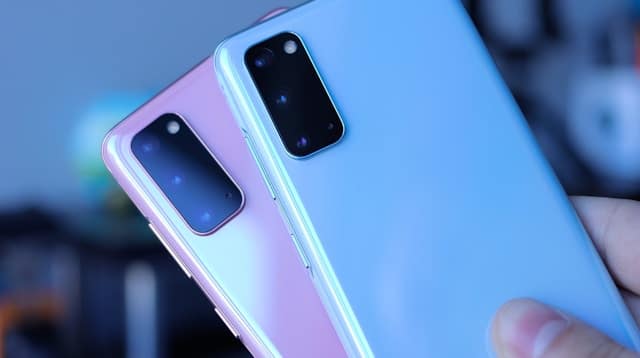
Android phones vary by manufacturer and model. You can verify by going to Settings > About Phone > SIM Status. If you see options for eSIM or Embedded SIM, you’re good to go. Always check compatibility before you purchase any esim plan to avoid disappointment.
How eSIMs Connect to Italian Networks
Italy has excellent mobile infrastructure. The major networks—TIM, Vodafone, Wind Tre, and Iliad—provide strong 4G coverage across 99% of the country, with 5G available in major cities like Rome, Milan, Florence, and Naples. Rural areas in Tuscany, Umbria, and Sicily maintain solid 4G connections, though speeds may drop slightly in remote mountain regions.
BazTel eSIM uses the TIM network, Italy’s largest carrier with over 50 million subscribers. This partnership ensures you get reliable coverage whether you’re exploring the Colosseum in Rome, taking trains through the countryside, or relaxing on beaches in Puglia. The connection happens automatically when you enable your eSIM—no manual network selection required.
Best eSIM for Italy: Provider Comparison
After testing multiple providers during my recent Italy trips, I’ve compared the top options based on price, data allocation, network quality, and overall value. Here’s what you need to know to make an informed decision.
BazTel: Best Value for Budget Travelers
BazTel stands out as the best esim for italy when you prioritize affordability without sacrificing quality. The pricing structure beats competitors across multiple data tiers, making it ideal for both short trips and extended stays.
Pricing Breakdown:
- 1GB: $1 (perfect for testing)
- 5GB: $5
- 10GB: $8
- 20GB: $14
- 50GB: $29
All plans include 30-day validity, access to the TIM network, instant installation, and 24/7 customer support. BazTel also offers unique benefits: a full refund if you’re not satisfied, trip cancellation guarantee, and no hidden fees. The transparent pricing means the amount you see is exactly what you pay—no surprise charges appear on your credit card.
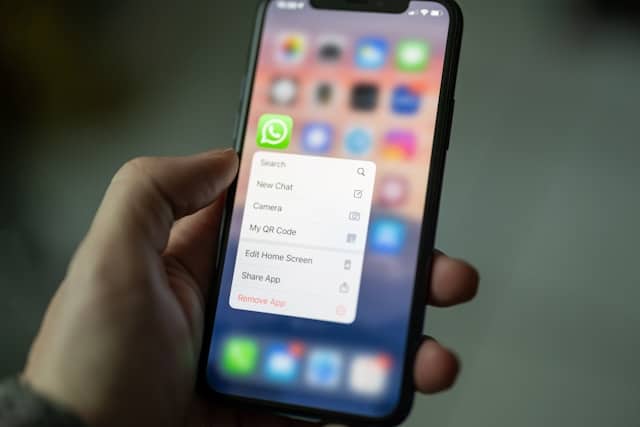
I tested the 10GB plan during my two-week trip across Rome, Florence, and Venice. The data lasted comfortably with daily use of Google Maps for navigation, uploading photos to social media, checking restaurant reviews, and video calls back home via WhatsApp. The price of $8 meant I saved over $120 compared to my carrier’s roaming rates.
Airalo: Popular Option with Higher Prices
Airalo markets itself as the world’s first esim store and offers coverage in over 200 countries. For Italy, they provide the “Mamma Mia” plans with various data options. However, the prices run significantly higher than BazTel.
Airalo Pricing:
- 5GB: $13.00
- 10GB: $20.50
- 20GB: $28.50
Airalo connects to multiple networks including Vodafone, Wind Tre, and Iliad, which provides network redundancy. If one carrier has weak signal, your device can switch to another. The app interface is polished and beginner-friendly, making it easy to manage your data usage and top up if needed.
The downside is clear in the numbers. For 5GB, you pay $13 with Airalo versus $5 with BazTel. That’s 160% more expensive for the same data allocation and similar network quality. Unless you specifically need multi-network support or prefer Airalo’s app experience, BazTel offers better value.
Saily: Premium Pricing for NordVPN Users
Saily, created by the team behind NordVPN, entered the eSIM market with a focus on security features. The service includes built-in VPN capabilities, ad blocking, and tracker prevention—appealing if privacy is your top concern.
Saily Pricing:
- 5GB: $12.99
- 10GB: $20.99
- 20GB: $28.99
While the security features add value, the core connectivity experience is similar to other providers. Saily uses undisclosed Italian networks (they don’t publicly specify which carriers), which makes it harder to predict coverage quality before purchase. The 24/7 customer support via live chat is responsive and helpful, though you can access similar support from BazTel without the premium price tag.
For travelers who already subscribe to NordVPN or prioritize enhanced privacy, Saily makes sense. For most visitors focused on reliable coverage and affordable pricing, BazTel delivers better value with clear network information (TIM) and lower costs.
Other Providers Worth Considering
Several other esim providers operate in Italy, each with different strengths:
Holafly offers unlimited data plans starting at $37 for 10 days, which sounds appealing until you read the fine print. After hitting fair usage limits, speeds throttle significantly, making streaming and video calls frustrating. The unlimited aspect works for light browsing but falls short for heavy data users.
Nomad provides flexible day-based plans with daily data allocations. You might pay $4.50 for 1GB per day over 5 days ($22.50 total), or opt for BazTel’s 5GB plan at $5 for 30 days. Nomad’s model suits travelers with unpredictable schedules who only want to pay for days actively used, but the per-day cost adds up quickly.
Jetpac has emerged as a budget-friendly option with plans starting around $1 for 1GB. However, their service operates on Vodafone and Wind Tre networks, which have slightly less coverage than TIM in rural areas. For city-focused trips, Jetpac competes well on price, though BazTel’s TIM network provides more comprehensive coverage across all of Italy.
How Much Data Do You Need for Italy?
One of the most common questions travelers ask is: how much data do I actually need for my trip to Italy? The answer depends on how you use your smartphone, but I can break down realistic usage based on my own experience and common activities.
Light Users: 1-5GB is Plenty
If you primarily use your phone for essential tasks, a smaller data plan works perfectly. Light usage includes checking email, sending messages on WhatsApp or Facebook Messenger, using Google Maps for directions, looking up restaurant hours, and occasional photo uploads to social media.
During a one-week trip where I used my phone conservatively, I consumed about 3GB total. This included navigating with maps for several hours daily, checking TripAdvisor reviews, posting photos to Instagram once per day, and staying in touch with family via messaging apps. Hotels and cafes in Italy usually offer free WiFi, which I used for checking email and browsing web content at night.
BazTel’s 5GB plan at $5 provides a comfortable buffer for light users. You can test the service with the 1GB option for $1 first, then top up with a larger plan if needed.
Moderate Users: 10-20GB Recommended
Moderate data usage includes everything light users do, plus more frequent social media browsing, streaming music while walking around cities, video calls to friends and family, and watching occasional YouTube videos or TikTok content.
On my last two-week Italy trip, I used about 12GB. I streamed Spotify during long train rides between cities, made several 15-minute video calls on WhatsApp, uploaded full photo albums to Instagram Stories, and watched YouTube videos about Italian history while relaxing at my accommodations. The 10GB BazTel plan at $8 gave me enough data with a small cushion.
If you plan to share your connection as a mobile hotspot for a tablet or travel companion, bump up to the 20GB plan at $14. This extra data accommodates the additional device without worrying about running out mid-trip.
Heavy Users: 50GB for Extended Stays
Heavy data users stream video content regularly, work remotely with constant internet needs, upload large files or videos, or share connections with multiple devices. If you’re a digital nomad, content creator, or planning a month-long stay in Italy, the 50GB plan makes sense.

I used BazTel’s 50GB plan during a month-long work trip to Italy. This covered daily Zoom meetings for work, streaming Netflix in the evenings, uploading travel videos to YouTube, and tethering my laptop to work from cafes without WiFi. At $29, the price remains competitive—Airalo doesn’t even offer a 50GB option for Italy, and other providers charge $45-60 for equivalent data.
Tracking Your Data Usage
Most smartphones show data consumption in Settings. On iPhone, go to Settings > Cellular > Cellular Data. On Android, check Settings > Network & Internet > Data Usage. Review your typical monthly usage before traveling to Italy. Reduce that number by 30-40% if you plan to use hotel WiFi frequently, and you’ll have a good estimate for your esim plan.
Which eSIM is Best in Italy?
After comparing pricing, coverage, features, and real-world performance, BazTel is the best eSIM for Italy. The combination of unbeatable prices, TIM’s extensive network coverage, instant activation, and customer-friendly policies makes it the smart choice for most travelers.
BazTel excels in several key areas. First, the pricing beats all major competitors by significant margins. You save 60% compared to Airalo, 62% versus Saily, and avoid the throttling issues that plague unlimited plans from providers like Holafly. Second, using TIM—Italy’s largest and most reliable network—ensures you stay connected in cities, coastal towns, rural areas, and everywhere in between.
Third, BazTel’s customer protections provide peace of mind. The refund guarantee means if the service doesn’t meet your expectations, you get your money back. The trip cancellation guarantee protects your purchase if your travel plans change. And 24/7 customer support means help is always available, whether you’re troubleshooting installation at 2am before your flight or need assistance while exploring the Amalfi Coast.
When to Choose Alternative Providers
BazTel suits 95% of travelers to Italy, but specific situations may favor alternatives:
Choose Airalo if you’re traveling to multiple countries beyond Italy and want a single regional Europe plan. Airalo’s multi-country packages cover 30+ European destinations with one esim profile. While more expensive, this convenience can be worth it for travelers hitting 4-5 countries in two weeks.
Choose Saily if you’re already a NordVPN customer and want integrated security features. The built-in VPN and ad blocking provide extra privacy protection, though you pay a premium for these features compared to purchasing them separately.
Choose Holafly only if you absolutely need unlimited data and understand the throttling limitations. For heavy video streaming over extended periods, unlimited plans offer value despite higher upfront costs. Just be aware that after fair usage limits, your connection may slow significantly.
For everyone else—tourists, business travelers, digital nomads on a budget, or anyone prioritizing value and reliability—BazTel delivers the best esim for italy.
How to Get an eSIM for Italy: Step-by-Step Guide
Getting your eSIM for Italy set up is surprisingly simple. I’ll walk you through the entire process, from checking device compatibility to staying connected in Italy.
Step 1: Verify Your Phone is Compatible
Before purchasing any esim plan, confirm your device supports the technology. As mentioned earlier, dial *#06# on your smartphone. If an EID (Embedded Identity Document) number appears, your phone is eSIM compatible. Most iPhone models from XS onward, Samsung Galaxy S20 and newer, and Google Pixel 3 and later all work with eSIM technology.
Also verify your phone is carrier-unlocked. A locked phone tied to a specific carrier won’t accept esim profiles from other providers. Contact your current mobile carrier if you’re unsure about your phone’s unlock status. Most carriers will unlock your device for international travel if you request it.
Step 2: Choose Your Data Plan
Visit the BazTel website and browse available plans for Italy. Consider how long you’ll stay and how heavily you use data. Start conservative—you can always purchase additional data if needed, but you can’t get refunds for unused portions of your plan.
I recommend the following as starting points:
- Weekend trip (3-5 days): 5GB for $5
- Week-long vacation: 10GB for $8
- Two weeks of travel: 20GB for $14
- Month-long stay or remote work: 50GB for $29
Add your selected plan to cart and complete the purchase using a credit card or PayPal. BazTel processes payments securely with no hidden fees—the price you see is the final amount.
Step 3: Install Your eSIM Profile
Within minutes of completing your purchase, you’ll receive an email from BazTel with installation instructions and a qr code. This email is crucial, so save it or print it out before traveling.
Installation on iPhone:
- Connect to WiFi (required for installation)
- Go to Settings > Cellular > Add Cellular Plan
- Use your iPhone camera to scan the QR code from BazTel’s email
- Follow the on-screen prompts to install the profile
- Label your new plan “Italy” or “BazTel” for easy identification
Installation on Android:
- Connect to WiFi
- Open Settings > Network & Internet > Mobile Network
- Tap the “+” icon to add a carrier
- Scan the qr code or enter activation code manually
- Complete setup following your phone’s instructions
The installation process takes 2-3 minutes. You don’t need to remove your physical SIM card—both can coexist in your device. Once installed, the eSIM profile stays on your phone but remains inactive until you arrive in Italy.
Step 4: Activate Upon Arrival in Italy
Your BazTel eSIM activates automatically when your phone detects the TIM network in Italy. Here’s what to do when you land:
- Turn off airplane mode
- Go to Settings > Cellular (or Mobile Network on Android)
- Select your BazTel eSIM as the data line
- Turn on Data Roaming for the BazTel line (this doesn’t cost extra—it’s required for the eSIM to work)
- Turn off Data Roaming for your home SIM to avoid charges
For more detailed instructions on how to use an eSIM for international travel, check out our comprehensive guide.
Within 30-60 seconds, you’ll see the TIM network name appear at the top of your screen. Your phone may show “4G” or “LTE” indicating active data connection. Open a browser or app to verify connectivity—Google Maps is perfect for this test since you’ll likely need directions from the airport anyway.
Step 5: Monitor Your Data Usage
Your phone tracks data consumption automatically. Check regularly to avoid running out unexpectedly. Go to Settings > Cellular on iPhone or Settings > Network & Internet > Data Usage on Android. These screens show how much data each app uses.
Google Maps and navigation apps typically consume 3-5MB per hour of active use. Social media browsing uses 50-100MB per hour. Video streaming can eat 500MB to 1GB per hour depending on quality. Knowing these estimates helps you budget your data allowance effectively.
If you’re running low, you can purchase additional data through BazTel’s website or app. The top-up process works similarly to your initial purchase—buy additional gigabytes, receive a confirmation, and the data adds to your existing eSIM profile automatically.
Troubleshooting Common Installation Issues
Most eSIM installations go smoothly, but occasional issues arise. Here are solutions to the most common problems:
QR Code Won’t Scan: If your phone can’t read the QR code, use manual installation instead. BazTel’s email includes an activation code and setup instructions. Enter these details manually through your phone’s cellular settings.
“No Service” After Installation: First, verify Data Roaming is enabled for your BazTel eSIM line. Next, try toggling Airplane Mode on and off to force your phone to reconnect. If still unsuccessful, restart your device completely. This resolves 90% of connectivity issues.
eSIM Installed But Not Active: Your eSIM profile won’t activate until you’re physically in Italy and connected to a supported network. If you installed it at home, that’s normal—it will activate automatically upon arrival.
Multiple eSIM Profiles Installed: Your phone can store several eSIM profiles simultaneously, but only one can be active for cellular data at a time. Go to Settings > Cellular and select which plan to use for data. Make sure you’ve selected your Italy eSIM, not an old profile from a previous trip.
For any issues not resolved by these steps, consult BazTel’s eSIM FAQ or contact BazTel’s 24/7 customer support. They can check your account status, verify your eSIM is properly provisioned, and walk you through device-specific troubleshooting steps.
eSIM vs Physical SIM Card: Which is Better for Italy?
The debate between eSIM and physical SIM card boils down to convenience, price, and flexibility. Having used both options multiple times in Italy, I can share the practical differences that matter when you’re actually on the ground.
Why eSIM Wins for Most Travelers
No Airport Lines: Physical SIM cards require finding a carrier store at the airport or in the city center. During peak summer months, these shops have 30-45 minute waits. With an eSIM, you’re online within seconds of landing, no waiting required.
Can’t Lose It: I once dropped my physical SIM card on a cobblestone street in Rome. It vanished between the stones, leaving me without data for hours until I could buy a replacement. An embedded sim can’t fall out or get lost—it’s permanently stored in your device’s hardware.
Keep Your Home Number Active: Dual SIM functionality means your regular phone number stays accessible for emergency calls and important messages. Friends and family can reach you on your normal number while your Italy eSIM handles all data traffic. With a physical sim, you’d need to swap cards constantly or carry two phones.
Faster Setup: Installing an eSIM profile takes 2-3 minutes from your hotel room or even at home before departure. Physical SIM cards require opening your phone’s SIM tray with that tiny ejector tool, carefully removing your home card, inserting the new card, and restarting your device. The process is fiddly and risks damaging the SIM tray.
Better Pricing: Physical SIM cards purchased at Italian airports typically cost €25-35 for 20-30GB of data. BazTel’s 20GB eSIM plan costs $14 (roughly €13), saving you 50% or more. Airport vendors markup prices significantly compared to online options.
When Physical SIM Cards Make Sense
Older Devices: If your smartphone was manufactured before 2019, it probably doesn’t support eSIM technology. In this case, a physical SIM is your only option for local connectivity. Check compatibility first, then decide.
Need an Italian Phone Number: Most eSIM plans including BazTel provide data-only service—no voice calls or SMS included. If you need to make traditional phone calls to Italian restaurants, hotels, or businesses, a physical SIM with an Italian phone number works better. Alternatively, you can use WhatsApp calling, which works over data and suffices for most communication needs.
Very Long Stays: If you’re living in Italy for 3-6 months, a physical SIM card from a local carrier might offer better long-term value with monthly payment plans and unlimited domestic calling. eSIM plans typically max out at 30-90 day validity periods.
Making Phone Calls with an eSIM
While most esim providers offer data-only plans, you can still make calls using internet-based apps. WhatsApp, Facebook Messenger, Skype, and FaceTime all let you call other users for free over your data connection. These apps work perfectly for staying in touch with friends and family back home.
For calling Italian businesses that don’t use these apps, consider Google Voice or Skype credits. These services let you make traditional phone calls using your data connection, charging a few cents per minute. It’s not as convenient as having an Italian phone number, but it works in a pinch.
Some providers like aloSIM do offer eSIM plans with voice and SMS support, though at premium prices. For most travelers, data-only service combined with WhatsApp calling provides everything you need.
Coverage and Network Performance Across Italy
Understanding where your eSIM will work well helps set realistic expectations for your trip. Italy’s mobile networks provide excellent coverage, but performance varies by location and carrier.
TIM Network Coverage (Used by BazTel)
TIM (Telecom Italia Mobile) is Italy’s largest mobile carrier with infrastructure reaching 99.5% of the population. The network excels in both urban areas and rural regions. During my travels, I maintained strong 4G LTE connections throughout:
Major Cities: Rome, Milan, Florence, Venice, Naples, Turin, Bologna, and Palermo all have comprehensive TIM coverage with 5G available in city centers. Download speeds routinely exceeded 50-80 Mbps, more than enough for streaming video, video calls, and uploading large photo albums to cloud storage.
Popular Tourist Destinations: The Amalfi Coast, Cinque Terre, Tuscany’s hill towns, Sicily’s archaeological sites, and Lake Como all maintained solid 4G connections. Even in smaller villages, I could reliably use Google Maps for navigation and browse web content without issues.
Train Connectivity: Italian trains including Trenitalia’s high-speed Frecciarossa maintain good mobile coverage. The TIM network worked well on routes between Rome-Florence, Milan-Venice, and Naples-Rome. Signal occasionally dropped in mountain tunnels but reconnected within minutes.
Rural and Mountain Areas: Coverage becomes spotty in the most remote regions like Dolomites hiking trails above 2,000 meters elevation or tiny villages deep in the Apennine mountains. For typical tourist itineraries, this isn’t a concern, but adventure travelers heading far off the beaten path should download offline maps before venturing into these areas.
Other Network Options and Performance
Vodafone: Italy’s second-largest carrier offers comparable coverage to TIM in cities but has slightly less reach in remote rural areas. Vodafone invested heavily in 5G infrastructure, so speeds in major cities can be exceptional. Several eSIM providers including Airalo use Vodafone networks.
Wind Tre: Formed by merging Wind and Tre carriers, this network has strong urban coverage but weaker performance in countryside and coastal areas. Download speeds tend to be slower than TIM or Vodafone, averaging 20-40 Mbps instead of 50-80 Mbps.
Iliad: The newest major carrier in Italy offers aggressive pricing but has the most limited coverage. Iliad focuses on major cities and heavily-trafficked regions, making it less reliable for travelers exploring diverse areas across the country.
For consistent coverage throughout Italy, TIM-based eSIM plans like BazTel provide the best experience. You won’t worry about losing signal when traveling between cities or exploring rural attractions.
Using Your eSIM Across Europe
If your Italy trip includes visits to neighboring countries like France, Switzerland, Austria, or Croatia, consider whether your eSIM plan provides regional coverage or if you need separate plans for each destination.
Regional vs. Single-Country Plans
BazTel’s plans focus specifically on Italy, providing optimal value for travelers spending the majority of their time in one country. If you’re taking a quick day trip from Milan to Switzerland or Venice to Croatia, you can rely on WiFi at restaurants and hotels, or purchase a small top-up plan for the neighboring country.
For travelers visiting 3-4 countries over two weeks, regional Europe plans from providers like Airalo or Holafly make more sense. These plans cost more but cover 30-40 European countries with a single data allocation. You don’t need to worry about switching plans when crossing borders.
European Union Roaming Regulations
The European Union has “Roam Like at Home” policies that allow EU residents to use their home country’s mobile plans across all EU member states. However, this regulation doesn’t apply to tourist eSIM plans purchased for temporary travel. Your Italy eSIM plan only works within Italy unless the provider specifically states European or regional coverage.
Some providers offer Italy-specific plans that include limited EU roaming. Always check the plan details before purchasing if you need coverage in multiple countries.
Top Tips for Using Your eSIM in Italy
After spending considerable time testing eSIM technology across Italy, I’ve gathered practical tips that make the experience smoother and help you avoid common pitfalls.
Set Up Before You Travel
Install your eSIM profile 2-3 days before departure, not at the airport or on the plane. This gives you time to troubleshoot any installation issues while you have reliable internet access and can contact customer support if needed. Once installed, the profile sits dormant on your device until you reach Italy and it auto-activates.

Download Offline Maps as Backup
While BazTel provides reliable coverage, having offline maps gives you peace of mind in the rare areas with weak signal. Google Maps lets you download entire cities or regions for offline use. Download Rome, Florence, Venice, and any other destinations you’ll visit. These offline maps use zero data but still provide navigation guidance using your phone’s GPS.
Use WiFi for Large Downloads
Hotel and restaurant WiFi in Italy is widely available and often quite fast. Save large app updates, operating system downloads, or backing up photos to cloud storage for when you’re connected to WiFi. This conserves your mobile data for when you truly need it while exploring.
Disable Background App Refresh
Apps running in the background can consume data without you realizing it. Go to Settings > General > Background App Refresh on iPhone or Settings > Apps on Android. Disable this feature for apps you don’t need constant updates from, like news apps, social media, or games. This single change can reduce data consumption by 30-40%.
Enable Data Alerts
Set up alerts when you reach 50%, 75%, and 90% of your data limit. This helps you monitor consumption before completely running out. You can add more data if needed, but these alerts prevent unexpected surprises.
Keep Your Home SIM Active for Emergencies
Even though you’re using your Italy eSIM for data, keep your home physical SIM card installed and enabled. Some providers offer free or low-cost emergency calling when roaming internationally. Having this backup option provides security in case something goes wrong with your eSIM.
Take Screenshots of Important Information
Before traveling, screenshot your BazTel QR code, activation instructions, customer support contact details, and confirmation email. Save these images to your phone’s photo library. If you need to reinstall your eSIM profile or contact support, you’ll have all information accessible even without internet connection.
Frequently Asked Questions About Italy eSIMs
Can I receive calls on my regular phone number with an eSIM?
Yes, absolutely. When you install an eSIM for data and keep your home physical SIM card active, incoming calls and text messages still reach your regular phone number. The eSIM only handles mobile data, not voice calls or SMS. Your home carrier may charge roaming fees for receiving calls, so check your plan details before accepting calls while abroad.
What happens if my eSIM doesn’t work when I arrive in Italy?
First, verify that Data Roaming is enabled for your eSIM line in Settings. This is required for the connection to work. Next, toggle Airplane Mode on and off to force your phone to search for the TIM network again. If you still have no service, restart your device completely. These steps resolve 95% of activation issues. If problems persist, contact BazTel’s 24/7 support through their website chat or email.
Can I share my eSIM data with other devices?
Yes, you can use your phone as a mobile hotspot to share your Italy eSIM connection with laptops, tablets, or travel companions’ devices. Enable Personal Hotspot in your phone settings. Be aware that this consumes data faster since you’re supporting multiple devices. If you plan to regularly tether, choose a larger data plan like 20GB or 50GB to accommodate the extra usage.
Do I need to delete my eSIM profile after my trip?
You don’t need to delete the profile immediately after returning home. The esim simply becomes inactive when your data plan expires. However, if you want to clean up your phone’s settings, you can remove the profile by going to Settings > Cellular > [eSIM Name] > Remove Cellular Plan. Save your BazTel confirmation email in case you need to reinstall the same profile for a future Italy trip. If you’re considering whether to delete the eSIM profile, learn how it may affect your connectivity and recovery options.
Can I top up my eSIM data plan if I run out?
Yes, BazTel allows you to purchase additional data that adds to your existing eSIM profile. Simply visit their website, select a top-up package, and complete the purchase. The additional data appears on your profile within a few minutes. This is much more convenient than buying a completely new plan and reinstalling everything.
Will my eSIM work in San Marino and Vatican City?
San Marino and Vatican City are small independent countries within Italy’s borders. Most Italian mobile networks including TIM provide coverage in these areas without additional charges. Your Italy eSIM should work normally when visiting St. Peter’s Basilica in Vatican City or the hilltop republic of San Marino.
How fast is data speed with an Italy eSIM?
Data speeds depend on the underlying network and your location. BazTel uses TIM’s network, which provides 4G LTE speeds typically ranging from 30-80 Mbps in cities and 10-30 Mbps in rural areas. 5G coverage in major city centers can reach 100-200 Mbps or higher. These speeds are more than sufficient for all common activities including HD video streaming, video calls, and uploading large files.
Can I use my eSIM for emergency calls?
eSIM plans from BazTel are data-only and don’t include voice calling service. However, you can use apps like WhatsApp, Skype, or FaceTime to make voice calls over your data connection. For true emergency services (police, ambulance, fire), your home SIM card should still be active and can make emergency calls even while roaming. The European emergency number 112 works from any phone regardless of SIM status.
Making the Most of Your Italy Adventure with Reliable Connectivity
Choosing the right eSIM for your Italy trip comes down to finding the balance between price, coverage, and data allocation that matches your travel style. BazTel delivers on all three fronts, offering the most competitive pricing with access to Italy’s best network infrastructure.
When I compare my early Italy trips struggling with expensive roaming or waiting in airport queues for physical sim cards to my recent experiences using BazTel, the difference is night and day. Being connected from the moment I land means I can book last-minute restaurant reservations while walking through Rome, pull up museum hours on the fly, navigate confidently through winding Venetian streets, and share photos with friends and family in real time.
The financial savings are significant too. Spending $8 for a 10GB plan instead of $140 for two weeks of roaming means more money for amazing Italian meals, museum tickets, or that leather jacket you’ve been eyeing in Florence. Technology should enhance your travel experience, not drain your budget or create stress.
Start by visiting BazTel’s website to explore their Italy plans. Try the $1 test plan first if you want to verify the service before committing to larger data packages. Install your esim profile a few days before departure. When you land in Italy, you’ll be online in seconds, ready to make the most of your adventure.
Whether you’re photographing the Duomo in Florence, finding the perfect gelato shop in Rome, or navigating trains through the Tuscan countryside, having reliable and affordable data keeps you connected to what matters. The best eSIM for Italy removes the connectivity headache so you can focus on creating incredible memories.

Blog Author
Peter
Peter started BazTel.co to make mobile internet easier for travellers. He noticed how tough it was to find good network options while visiting new countries. That’s when he built BazTel — a place where anyone can buy eSIMs online without confusion or long steps. He believes tech should be simple and useful, not complicated. When he’s free, he likes to travel, test BazTel himself, and keep improving it based on real user problems.