
 Botswana
 Zambia
 Congo
Congo Colombia
 China mainland
 Chile
Chile Chad
Chad Central African Republic
 Canada
 Cameroon
 Cambodia
 Burkina Faso
 Bulgaria
 Brunei Darussalam
 Brazil
 Aland Islands
 Bosnia and Herzegovina
 Bolivia
 Belgium
 Belarus
 Bangladesh
 Bahrain
 Azerbaijan
 Austria
 Australia
 Armenia
 Argentina
 Algeria

Let me start with the moment I knew this trip would be different. I was standing at Islamabad International Airport at 3 a.m., jet-lagged, clutching a printed e-visa, and watching a soldier wave me through a checkpoint with a smile and a “Welcome, sir.” That was my introduction to a country the headlines keep getting wrong.
I’m a finance guy who spends too much time thinking about telecom. I travel a lot for work and for sanity. Pakistan had been on my list for years. The mountains pulled me in first. The people made me want to come back. What follows is the practical stuff I wish someone had handed me before I went — the real travel tips for Pakistan, not the recycled listicles.
This ultimate Pakistan travel guide covers safety, visas, connectivity, culture, money, and the routes that actually work. Most of it comes from my own notes. A few bits come from sources I trust. All of it is current as of April 2026.
Is It Safe to Visit Pakistan?
Short answer: mostly yes, with caveats that matter. The security situation in Pakistan is genuinely better than it was a decade ago. The long answer is that “Pakistan” is not one place. It’s a country the size of Texas and California combined, with regions that feel like Switzerland and regions the local authorities tell you flat-out to avoid.
As of March 2026, the U.S. State Department has Pakistan at Level 3 “Reconsider Travel,” and the UK FCDO advises against all travel to parts of the country. Those advisories are worth reading before you book. The areas flagged are specific: the Khyber Pakhtunkhwa province borderlands, Balochistan, the Line of Control in Kashmir, and anywhere within about 10 miles of the Afghanistan border. The rest of the country is a different conversation.
When I talk to other travellers who’ve been recently, the consensus is this: the big cities, the major cities in Punjab and Sindh, Islamabad, Lahore, and the famous northern pakistan trekking routes are generally fine if you pay attention. The risks that remain are real. Terrorist attacks still happen, mostly targeted at the pakistani military or the police, and mostly in specific regions. Civil unrest can flare up with little warning. You need to monitor local media and international media in the days before you travel and while you’re there.
What the Travel Advisories Actually Say
Read two sources. The U.S. State Department advisory and the FCDO’s Pakistan travel advice. Both update regularly. As of early 2026, both flag terrorism, kidnapping, and the potential for civil unrest in border areas. Both also note that the Pakistani government has been investing in tourism corridors in Hunza Valley, Skardu, and Swat, and the security situation in those pockets is meaningfully calmer.
I also cross-check local media. Dawn and The Express Tribune are the two English dailies I read. A five-minute scan of local and international media the morning of a long drive saved me from heading into a scheduled protest on my Lahore to Islamabad leg. Short notice changes happen here. Expect them. Plan to adapt.
Travel Insurance Is Non-Negotiable
I’ll say this once and move on: get travel insurance that covers Pakistan specifically and includes medical evacuation. Many standard policies exclude countries on Level 3 advisories. A policy that doesn’t cover your destination is a receipt, not insurance. For anyone heading to northern Pakistan, evacuation cover is the line item that matters most. If you get injured at 3,500 metres in the Karakoram, a helicopter is the only way out.
Visa Requirements: How to Enter Pakistan
Most foreigners need a visa to enter Pakistan. The good news is that the visa online process got significantly easier in August 2024. More than 105 nationalities now qualify for a three-month multiple-entry visa through the e-visa application portal at visa.nadra.gov.pk.
Here’s how it worked for me. I filled out the form about three weeks before my flight. I uploaded a passport photo, my passport scan, a flight booking, and my first hotel reservation. No letter of invitation was required. The approval came through in nine days. The fee varied by nationality but was under $100 USD.
Bring physical photocopies of your passport and visa. Lots of them. I’d estimate I handed over 15 copies during my three weeks. Checkpoints are everywhere, especially heading north or near the Afghanistan border, where I was glad to have reliable data through an Afghanistan-focused BazTel eSIM plan on a previous regional hop. Having copies ready makes every stop a two-minute interaction instead of a twenty-minute one.
Staying Connected: Why an eSIM Changed My Pakistan Trip
This is the section where my telecom obsession earns its keep. Connectivity in Pakistan is a real variable. Public Wi-Fi is not common outside the big cities. Hotel Wi-Fi is often slow. A local data plan is essential, and the choice you make before you fly matters more than most people realise — especially if you’re pairing Pakistan with Gulf stopovers like Bahrain, where a dedicated BazTel eSIM for Bahrain can plug into the same travel setup.
Your three options are a physical SIM on arrival, an eSIM bought before departure, or international roaming. Let me walk through what I actually did and why.
Physical SIM Cards: Jazz, Zong, Telenor, and Ufone
Pakistan has four main carriers. Jazz is the largest and has the best overall coverage. Zong is strong in urban areas and has solid 4G speeds. Telenor is the budget option. Ufone is the weakest of the four and I wouldn’t recommend it for visitors.
A physical SIM at Islamabad international airport runs about PKR 300 to 1,500 depending on the plan. You’ll need your passport, biometric verification, and about 30 minutes at the counter. Tourists can buy prepaid SIMs. Ignore anyone who tells you foreigners must buy postpaid — that’s a sales tactic I’ve seen documented by other travellers and it’s not true.
One thing worth knowing: in the northern Pakistan mountain regions, the only carrier with reliable coverage is SCOM, a government operator. Jazz and Zong work in most towns but drop out fast once you get into remote regions of Gilgit-Baltistan.
The eSIM Option: My Recommendation
I used a BazTel eSIM and I’ll tell you why. I work in finance at BazTel so yes, I’m biased — but I’ve also tested the alternatives and spent far too many hours comparing the best Pakistan eSIM options for travellers. Full disclosure up front.
An eSIM is a digital version of a SIM card. You buy a data plan online before your trip, and your phone loads the profile without you ever touching a physical card. For Pakistan, BazTel plans start from $1 and cover 160+ countries, which matters if you’re also routing through Dubai or Istanbul on the way in, or thinking more broadly about using eSIM plans for international travel.
Here’s what changed recently. BazTel upgraded its installation flow. There’s no QR code to scan anymore and no app to download. After you purchase, you log into your online dashboard and see your eSIM listed. You click one button — one installer for iPhone, a separate one for Android — and the eSIM installs directly on your phone. The whole thing took me under two minutes in the airport lounge in Dubai. By the time I landed in Islamabad, I had data before I cleared immigration.
Compare that to the hour I lost on a previous trip scanning a QR code that wouldn’t render properly on my screen, then troubleshooting with customer service on airport Wi-Fi. The one-click installation is the kind of small thing that stops mattering until it doesn’t work, and then it’s all that matters.
VPN and Public Wi-Fi
Bring a VPN. I use one mostly for security on public Wi-Fi at cafes and hotels, but it’s also useful when certain services throttle or block in Pakistan. X (formerly Twitter) has been intermittently blocked for months. A VPN sorts that out. Install it and test it before you fly — don’t wait until you’re on the ground.
Best Time to Travel to Pakistan
Pakistan has two countries inside it, weather-wise. The south bakes and the north freezes, and they swap seasons for tourists.
Northern Pakistan: May to October
If your goal is the mountain ranges, trekking, Hunza Valley, and the Karakoram Highway, plan for late May through October. The snow clears off the high passes by late May. June through September is peak trekking season for the world’s highest peaks region, including access to K2 base camp routes and Fairy Meadows.
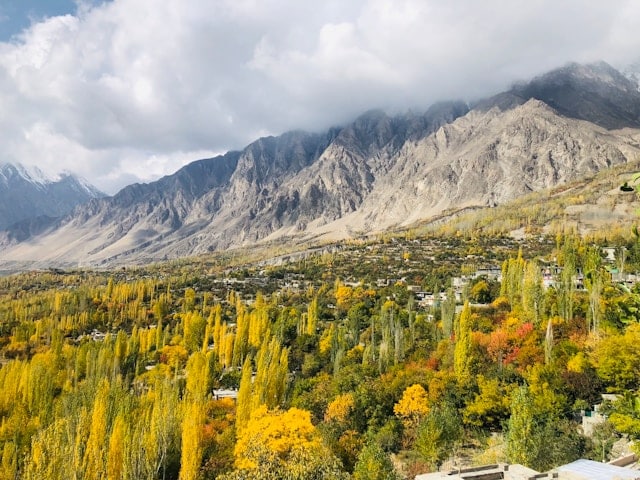
I went in late July and caught the Shandur Polo Festival, which is held the second weekend of July at the highest border crossing polo ground in the world. Worth planning a trip around if you’re in the region. Be warned: the road to Shandur is not paved. Plan on a police escort for parts of it.
October is my personal favourite. Hunza Valley in autumn is colour-saturated in a way the photos don’t capture. Apricot and poplar trees light up the whole valley in gold. Crowds thin out. Hotels drop their rates.
Southern and Central Pakistan: November to March
Sindh province, Karachi, Lahore, and the Punjab heartland are best from mid-November to February. Summer temperatures in Sindh regularly exceed 45°C. You don’t want that. Winter is mild, sunny, and ideal for exploring ancient sites like Mohenjo-daro and the Sufi shrines of rural sindh, especially if you’re pairing the trip with Gulf layovers where a Kuwait-specific BazTel eSIM keeps the same phone setup running.
Spring in April and May is a sweet spot for central Pakistan. The weather is pleasant, the domestic tourism hasn’t spiked yet, and you can still get into the foothills without hitting snow, which also makes it a popular time to combine Pakistan with a hop across the border using a BazTel eSIM plan for India.
Ramadan: Plan Around It
If you travel to Pakistan during Ramadan, know what you’re walking into. Most restaurants close during daylight hours. Eating, drinking, or smoking in public during fasting hours is considered deeply disrespectful and in some provinces is technically illegal. Hotels usually keep room service running for foreign guests. Nights come alive after iftar, and the food scene is spectacular. Just plan your logistics around the fast.
Getting Around: Transportation in Pakistan
Transportation in Pakistan has improved dramatically over the last 20 years. You have more options than people realise and most of them work.
Flights for the North
For northern Pakistan, fly if you can. Daily flights run from Islamabad to Gilgit and Skardu. PIA and SereneAir operate the routes. The flight to Skardu is one of the most scenic 50 minutes in commercial aviation — you’re eye-level with Nanga Parbat. The catch is that these flights cancel constantly due to weather. Build buffer days into your itinerary. If you’re chaining Pakistan with nearby destinations like the Caucasus, an Azerbaijan BazTel eSIM slots into the same setup. I plan for one cancelled flight per northern trip and I’m rarely wrong.
Daewoo Buses and the Rail Network
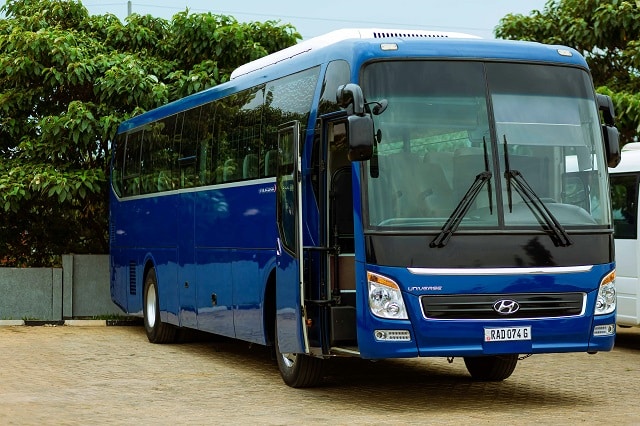
For intercity travel on the plains, Daewoo is the bus company I recommend. Comfortable seats, air conditioning, bus tickets you can book online, and bathrooms that work. The Lahore–Islamabad route takes about four hours on the motorway and costs under $15. Public transport options like local minivans exist and are cheap, but I’d stick with Daewoo for anything over two hours.
Pakistan Railways connects most of the country. The Karachi–Lahore route is a classic overnight journey. Business class is basic but clean. Don’t expect European standards, but do expect a genuine slice of Pakistani life, especially if you’re stringing it together with regional hops through Jeddah or Riyadh on a Saudi Arabia BazTel eSIM.
The Karakoram Highway
The karakoram highway is a travel experience in its own right. It runs from Islamabad to the Khunjerab Pass, the highest border crossing in the world at 4,693 metres, where Pakistan meets central Asia at the Chinese border — the same overland arc that makes Gulf hubs like Doha and their Qatar-ready BazTel eSIMs a common waypoint. Driving the full length takes three to four days. The road is paved but narrow. Landslides close sections regularly, sometimes at short notice. I hired a driver through a local tour company and it was the best $400 I spent. Hitchhiking along the KKH is common and generally safe, but I wouldn’t rely on it for timing.
Ride-Hailing in the Cities
Uber and Careem both operate in big cities. I used Careem daily in Lahore and Karachi. Rides are cheap — a 20-minute trip in Karachi cost me about $3. For a solo female traveler, ride-hailing apps are meaningfully safer than street taxis.
Money, Costs, and Daily Budget
Cash is king in Pakistan. Card payments work at luxury hotels and some chain restaurants in Islamabad and Lahore, but assume nowhere else takes plastic. I kept about $200 worth of Pakistani rupee on me at all times.
ATMs in major cities generally accept foreign cards. HBL, Standard Chartered, and Meezan Bank machines worked consistently for me. Smaller towns are hit and miss. Withdraw enough in a big city before you head to remote areas.
Daily budget benchmarks (as of April 2026, rates rounded):
Budget: $30-50 USD per day. Guesthouses, local food, public buses.
Mid-range: $80-150 USD per day. Three-star hotels, private drivers on some routes, nicer restaurants.
Higher-end: $200+ USD per day. Luxury hotels in the big cities, private guides, domestic flights for northern legs.
The Pakistani rupee has been volatile. At the time of writing, $1 USD is roughly PKR 280, but that’s moved significantly over the past two years. Check xe.com the morning you fly.
Cultural Etiquette: What Foreigners Get Wrong
Pakistan is a conservative country and also an Islamic Republic. Those two facts shape daily life more than any tourism brochure suggests. Get the basics right and you’ll be treated like family. Get them wrong and you’ll feel it.
Dress Code
Dress conservatively, meaning shoulders and knees covered, always. In rural areas, especially for foreign women, cover your hair when visiting mosques and often in public. A shalwar kameez — the national dress and national language-adjacent symbol of Pakistani culture — is genuinely appreciated. I bought one in Lahore for $15 and wore it half my trip. Locals opened up to me the moment I was in one.
Food, Drink, and the Right Hand
Accept food and drink with your right hand. The left hand is considered unclean. Pakistanis will insist you accept food and stay for tea. Accept at least once. Don’t overstay, but don’t decline the first offer either. Refusing hospitality is a small social wound that’s hard to undo.
Alcohol is technically illegal for Muslims, and complicated for foreigners. Don’t import alcohol. Some luxury hotels have permit rooms for non-Muslim foreigners, but don’t rely on it. Illegal drugs carry the death penalty. That’s not hyperbole. Don’t test it.
Photography and Military Sites
Ask before photographing people, especially women. Don’t photograph military installations, checkpoints, airports, or bridges. Checkpoint soldiers get nervous fast. I had my phone checked twice for photos after absent-mindedly snapping a bridge in Khyber Pakhtunkhwa province. Both times were fine because I deleted immediately and apologised. Don’t risk worse.
Advice for Foreign Women Travellers
Pakistan can be a rewarding destination for a solo female traveler who does her homework. Thousands do it each year. The advice I’ve heard repeatedly from female travellers: dress modestly, consider telling people you’re married, don’t smile too much at men (it reads as flirting), and avoid shaking hands with men unless he initiates. Sexual harassment — mostly staring and occasional verbal — does happen, especially in crowded shopping centres and on public transport. It’s rarely physical. Stay in trusted guesthouses, use ride-hailing apps, and consider group trips or cultural tours for the more conservative rural areas.
Where to Go: Pakistan’s Standout Destinations
I’ll keep this section tight. These are the places that justify the trip.
Hunza Valley and Gilgit-Baltistan
Hunza Valley is the first stop on every traveller’s list for a reason. Karimabad is the cultural hub. The Baltit and Altit Forts give you centuries of Silk Road history. Rakaposhi at 7,788 metres dominates the skyline. Apricot orchards, clean water, cleaner air, and some of the warmest people I’ve met anywhere.
Push past Hunza. Shimshal, Yasin, and the Ghizer district are less travelled and more interesting. This is where “off the beaten path” actually means something.
Fairy Meadows and Nanga Parbat
Fairy meadows is the approach base for Nanga Parbat, the ninth-highest peak in the world. The access road is notorious. You park at Raikot Bridge, transfer to a jeep for an hour on a road with no guardrails and thousand-foot drops, then hike for three hours. It’s worth every minute. Sleeping in a wooden hut at 3,300 metres with Nanga Parbat glowing pink at dawn is a core memory now.
Skardu and the Deosai Plains
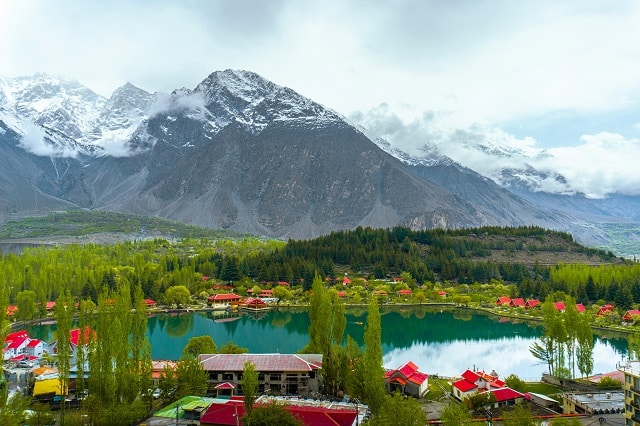
Skardu is your gateway to K2 and the highest peaks on earth. Even if you’re not trekking, the drive to Skardu from Gilgit along the Indus river is astonishing. The Deosai Plains in summer bloom with wildflowers and host endangered Himalayan brown bears. Shangrila Lake is as pretty as the name suggests.
Lahore: Food, Mosques, and the Mughal Heartland
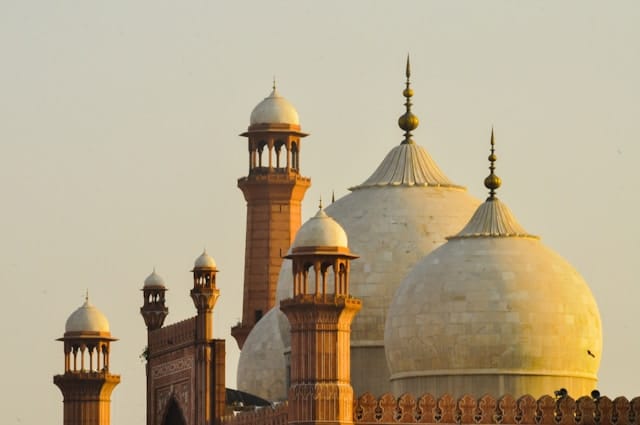
Lahore is my favourite Pakistani city. The Badshahi Mosque at sunset, street food at Gawalmandi, the Walled City, and the Wagah border ceremony at dusk. Budget three days minimum. The food alone is worth a separate article.
Islamabad and Rawalpindi
Islamabad is green, planned, and the calmest big city in Pakistan. It’s a good landing pad. The Faisal Mosque is genuinely impressive. Rawalpindi, twenty minutes away, is the opposite — chaotic, ancient, and the better place to eat. Split your time between both.
Karachi and Rural Sindh
Karachi is not for everyone. Street crime is a real concern. Don’t display wealth and be cautious at night. That said, the Sindh province cultural heritage is extraordinary. Mohenjo-daro, the ancient sites along the Indus, and the Sufi shrines of rural sindh give you a Pakistan most tourists skip entirely.
Practical Safety Tips I Actually Use
A grab-bag of things that made my trip smoother and safer.
Monitor local media daily. Dawn, Express Tribune, and Twitter accounts of major Pakistani journalists — and make sure your data setup still works if you reroute through hubs like Changi, where a BazTel eSIM for Singapore can keep your alerts flowing.
Don’t drink the tap water. Bottled or purified only. This isn’t paranoia — it’ll save your stomach.
Seek medical advice from a travel clinic before you go. Typhoid, hepatitis A, and rabies vaccinations are worth discussing.
Avoid large political gatherings, protests, and anywhere you see celebratory gun fire. Wedding celebrations sometimes involve firing into the air. Stay clear.
Carry photocopies of your passport and visa. Expect checkpoints on any route heading to border areas or remote regions.
Respect parental responsibility norms. If you’re photographing children, ask a parent first.
Keep car doors locked in urban traffic, especially in Karachi at night.
If your plans change at short notice and you’re heading to a restricted area, check with local authorities. Some destinations require a No Objection Certificate.
Common Questions About Travel to Pakistan
Do I need a police escort?
In some regions, yes. Police escort is mandatory in parts of Kalash Valley, sections of the Karakoram Highway, and specific areas near the Afghanistan border. It’s usually arranged at the checkpoint with no advance planning required. Your tour companies, if you’re using one, will handle it for you.
Can I cross into India or China by land?
The only official Pakistan-India land border crossing open to foreigners is Wagah, in Punjab. As of early 2026, it’s frequently closed due to regional tensions. Check status before you plan around it. The Khunjerab Pass into China is open seasonally (May to October) and requires a Chinese visa arranged in advance.
Is Pakistan safe for families and kids?
For the major tourist regions — Islamabad, Lahore, Hunza, Skardu, Swat — yes. Pakistanis adore children and you’ll be treated well. Avoid Balochistan, Khyber Pakhtunkhwa province borderlands, and anywhere with active security concerns. Use common sense about food and water.
What about terrorist attacks?
Terrorist attacks do occur, overwhelmingly targeted at security forces and specific installations, not tourist areas. The risk to travellers in major cities and the northern tourist corridor is low but non-zero. Stay informed through international media and local sources. Adjust your plans on short notice if something shifts.
What if there’s a natural disaster or flood?
Pakistan has experienced significant flooding in recent years, especially during monsoon season (July-August). Natural disaster risk is real in river valleys and low-lying areas. Register with your embassy. Keep your home country’s emergency contacts handy. Have a flexible itinerary that can bend around weather.
Final Thoughts: Why I’ll Go Back
I’ve been lucky enough to visit a lot of countries. Pakistan is the one I recommend most often and the one most people ignore. The mountain ranges are unmatched. The food is extraordinary. The hospitality is the real thing, not a tourism-brand version of it.
The trade-off is that you work harder here than in other destinations. The security situation demands attention. The local culture rewards preparation. Visit Pakistan and you’ll come home with stories that no one else in your group chat will have.
A few takeaways before you book. First, get your visa online early and carry paper copies of everything. Second, sort your connectivity before you fly — a BazTel eSIM installs in one click, works across 160+ countries, and removed the one variable I used to dread. Third, buy travel insurance that covers the advisory level. Fourth, go north in summer, south in winter, and skip Ramadan unless you’re ready to adapt.
That’s the honest version of travel tips for Pakistan from someone who’s done it. Plan smart, respect the local advice, and Pakistan will reward you more than almost any other country I can name. Safe travels.
Blog Author
Peter
I'm Peter, the founder of BazTel. I built this company at the intersection of two things I know well: finance and travel. Before starting BazTel, I worked in investment analytics at State Street, one of the world's largest custodian banks, and later at TCorp, the New South Wales Government's investment…


