
 Botswana
 Zambia
 Congo
Congo Colombia
 China mainland
 Chile
Chile Chad
Chad Central African Republic
 Canada
 Cameroon
 Cambodia
 Burkina Faso
 Bulgaria
 Brunei Darussalam
 Brazil
 Aland Islands
 Bosnia and Herzegovina
 Bolivia
 Belgium
 Belarus
 Bangladesh
 Bahrain
 Azerbaijan
 Austria
 Australia
 Armenia
 Argentina
 Algeria

I still remember stepping off the plane in Beijing for the first time. The sheer scale of everything — the airport, the highways, the energy of 21 million people going about their day — hit me before I even cleared customs. China had been on my bucket list for years, but nothing quite prepares you for the reality of a country this vast, this old, and this relentlessly fascinating. I work in finance, but travel and technology are what keep me curious. And China delivered on every front.
If you’re putting together your own China bucket list, this guide covers the top things to do in China based on my own trip and months of research. From hiking the Great Wall to bamboo rafting on the Li River, exploring ancient towns and eating your way through Chengdu, these are the experiences that made China one of the most memorable destinations I’ve ever visited. If you’re combining China with nearby hubs like Singapore, it’s easy to stay online the whole way by setting up a flexible eSIM for Singapore before you fly. Let’s get into it.
Hike the Great Wall — China’s Most Iconic Experience
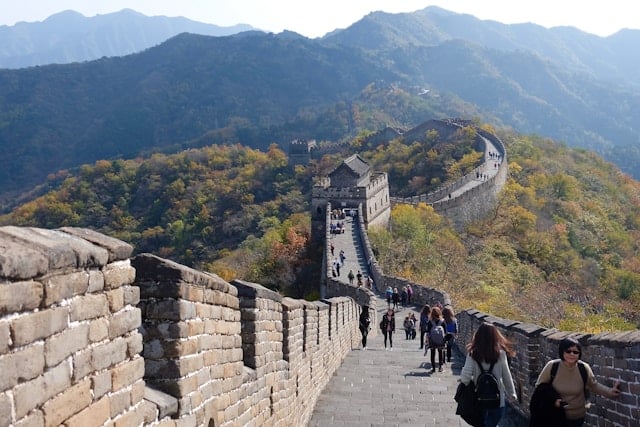
No China tour is complete without walking the Great Wall. It’s the longest man-made structure in the world, stretching approximately 21,196 kilometres across mountains, deserts, and plateaus. Standing on the wall at sunrise, watching the mist roll through the valleys below, is the kind of moment that sticks with you.
The wall has several sections open to visitors, and your experience depends entirely on which one you choose. Badaling is the most famous and the most crowded. It’s fully restored with modern facilities, but the crowds can be overwhelming, especially during national holidays. For a more rewarding hike, I’d recommend heading to Mutianyu or Jinshanling.
Mutianyu vs. Jinshanling: Which Section to Pick
Mutianyu sits about 90 minutes north of Beijing and offers well-preserved watchtowers, a cable car, and even a toboggan ride back down. It draws fewer crowds than Badaling but still has solid infrastructure. Jinshanling is farther out and rewards you with rugged terrain, original construction, and far fewer tourists. If you’re after serious hiking with uninterrupted views of the Great Wall of China snaking across ridgelines, Jinshanling is the one.
The wall itself is a living history lesson. Some sections date back over 2,000 years, built and rebuilt across multiple dynasties. Walking along those ancient stones, you can feel the weight of history beneath your feet. Budget a full day for a proper Great Wall hike. Pack water, wear decent shoes, and start early to beat the crowds.
Explore Beijing — Where Imperial History Meets Modern China
Beijing is where most China tours begin, and for good reason. The city is a living museum of Chinese history, culture, and ambition. You could spend a week here and still feel like you’ve only scratched the surface.
The Forbidden City and Tiananmen Square
The Forbidden City sits at the heart of Beijing. Built between 1406 and 1420, it served as the imperial palace for 24 emperors during the Ming and Qing dynasties. The complex has over 9,000 rooms, crimson walls, golden rooftops, and courtyards that seem to go on forever. It’s a UNESCO World Heritage Site and one of the most important historical landmarks on the planet. Walk through from south to north, and afterward head up Jingshan Park for a panoramic view of the entire complex. Tiananmen Square stretches just to the south — one of the world’s largest public squares.
Summer Palace and Temple of Heaven
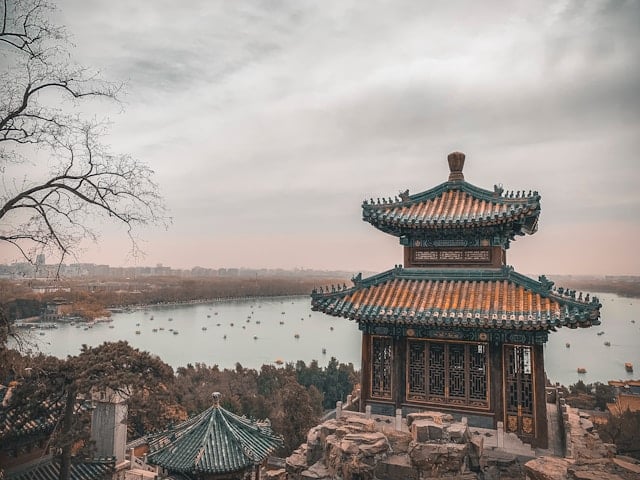
The Summer Palace is a masterpiece of Chinese landscape design. Lakes, pavilions, bridges, and ancient gardens make it one of the most peaceful spots in the city, despite being a hugely popular attraction. I spent an entire afternoon wandering the Long Corridor and watching locals practice tai chi by the lakeside. The Temple of Heaven, where emperors once prayed for a bountiful harvest, is another architectural gem worth visiting. It sits inside a massive public park where you’ll see retirees playing cards, dancing, and flying kites.
Shanghai — Modern Skyscrapers, Colonial Charm, and Incredible Food
Shanghai is a different beast entirely. Where Beijing feels like stepping into history, Shanghai feels like catapulting into the future. The city skyline, anchored by the Oriental Pearl Tower and the Shanghai Tower, is one of the most famous in the world.
The Bund and the French Concession
The Bund is Shanghai’s signature walk. Colonial-era architecture lines one side of the Huangpu River while the futuristic Pudong skyline glitters across the water. Walk it at night when the light show brings both sides to life. The French Concession is the polar opposite: tree-lined streets, boutique cafés, European-style buildings, and a pace that feels almost Parisian. It’s the best neighbourhood in the city for wandering, eating, and getting lost.
Zhujiajiao Water Town
Just 45 minutes from central Shanghai, Zhujiajiao is known as the “Venice of Shanghai.” Stone bridges, canals, and old wooden houses line the waterways of this ancient town. It’s a peaceful escape from the city and a great half-day trip. Other popular attractions near Shanghai include the Yu Garden and Nanjing Road, but Zhujiajiao is the hidden gem that most visitors miss.
Cruise the Li River and Go Bamboo Rafting in Guilin
The Li River cruise from Guilin to Yangshuo might be the single most scenic boat trip in Asia. Karst landscapes rise from the emerald water like something out of a Chinese ink painting. Limestone peaks, bamboo groves, and water buffalo along the banks make every bend in the river a postcard.
The full cruise takes about four hours and covers 83 kilometres. You’ll pass the famous Nine Horses Fresco Hill and the scenery printed on the back of China’s 20 RMB banknote. If you prefer something quieter, bamboo rafting on the Yulong River near Yangshuo is a fantastic alternative. Each raft holds two people, and the whole experience is silent except for the water and birdsong.
Longji Rice Terraces
From Guilin, take a side trip to the Longji Rice Terraces in Guangxi Province. These 650-year-old terraced paddies carved into mountainsides look like dragon scales. The rice terraces are home to Zhuang and Red Yao minority communities who still farm them today. Hiking between the viewpoints takes about two hours, and the views are absolutely worth the effort. Visit between May and early October for the most dramatic scenery.
Stand Before the Terracotta Warriors in Xi’an
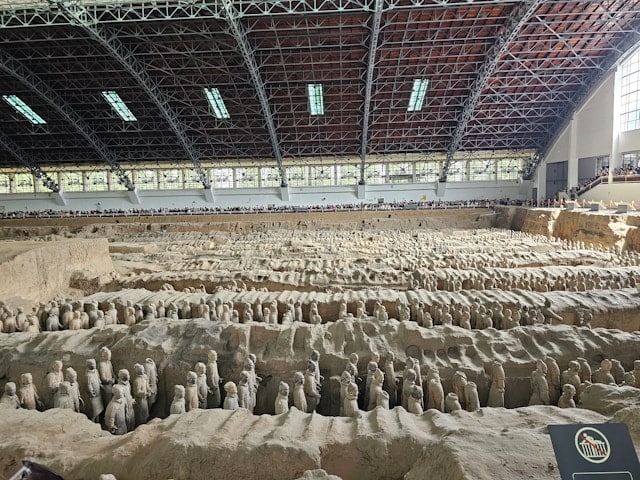
Xi’an is one of those cities that doesn’t get enough credit. It’s home to the Terracotta Army, discovered in 1974 and widely considered one of the most significant archaeological finds of the 20th century. The site contains over 8,000 life-sized statues built to protect the tomb of Qin Shi Huang, the first Emperor of China. Standing in Pit 1, looking out over thousands of unique soldier faces, each with individual expressions and hairstyles, is genuinely humbling.
Beyond the terracotta warriors, Xi’an’s Muslim Quarter is a feast for the senses. Head there at night for street food, spice markets, and the buzz of a neighbourhood that’s been a trading hub since Silk Road times.
See Giant Pandas Up Close in Chengdu
Chengdu is the giant panda capital of the world, and the Chengdu Research Base of Giant Panda Breeding is the best place to see them. The base is home to over 120 giant pandas living in a semi-natural habitat. Go early in the morning when the pandas are most active — they eat, roll around, and generally act like the most charming creatures on Earth.
Sichuan Cuisine: Hot Pot and Mapo Tofu
Chengdu isn’t just about pandas. It’s a UNESCO City of Gastronomy and the birthplace of Sichuan cuisine. Hot pot here is a cultural activity as much as a meal. You sit around a bubbling cauldron of chilli oil and Sichuan peppercorns, dipping sliced meats, vegetables, and tofu into the broth. Mapo tofu, kung pao chicken, and dan dan noodles are other dishes you absolutely need to eat here. If you want to learn how to cook Chinese food, Chengdu is the city to take a class, and pairing that with one of the best eSIM cards for travelers makes it easy to share your culinary adventures as you go.
The Wenshu Monastery in Chengdu is also worth a visit. It’s one of the best-preserved Buddhist temples in the city, with stunning architecture and a peaceful tea garden out back.
Hike Tiger Leaping Gorge in Yunnan
Tiger Leaping Gorge is one of the deepest gorges in the world, measuring approximately 3,900 metres from the Jinsha River (the upper Yangtze River) to the snow-capped peaks above. It’s a two-day hiking trail that sits between Lijiang and Shangri-La in Yunnan Province, and it’s widely regarded as one of the best treks in all of China.
The hike follows the Upper Trail along cliff edges with views that will make your jaw drop. Day one takes you through the famous 28 Bends, a steep switchback section that earns its reputation, before arriving at Halfway Guesthouse — arguably the best-positioned hotel in China with its terrace overlooking the Jade Dragon Snow Mountain. Day two is a gentler descent to Tina’s Guesthouse at the middle gorge.
Tiger Leaping Gorge is one of the deepest gorges on the planet and an absolute highlight for anyone who loves hiking. The trail is well-marked but challenging. Bring cash for guesthouse stays and entrance fees (around ¥100–150 total as of 2025), and arrange luggage transfer from Lijiang so you only carry a daypack.
Yunnan’s Ethnic Diversity
Yunnan Province is home to numerous ethnic minorities, including Tibetans, Naxi, and Bai, each with unique customs and traditions. This cultural diversity makes Yunnan feel like a different country within China. Markets in Lijiang’s old town, the Naxi villages along Tiger Leaping Gorge, and the monasteries near Shangri-La offer cultural activities and experiences you simply won’t find in China’s big cities.
Take a Yangtze River Cruise Through the Three Gorges
The Yangtze River is China’s longest river and the third-longest in the world. A Yangtze River cruise through the Three Gorges — Qutang, Wu, and Xiling — is a bucket list experience that combines dramatic scenery with onboard comfort. The standard cruise runs between Chongqing and Yichang over four to five days.
You’ll sail past towering cliff faces, misty valleys, and the massive Three Gorges Dam, the world’s largest hydroelectric power station. Shore excursions to places like Shennong Stream, Fengdu Ghost City, and the White Emperor City break up the sailing with cultural and historical immersion. Cruises run from approximately $400–$1,500 USD depending on the ship and cabin class (prices as of 2025). April through October offers the best weather.
Chongqing, the departure city for downstream cruises, is famous in its own right. The city’s spicy cuisine rivals Chengdu’s, and eating hot pot overlooking the Yangtze River at night is one of life’s great pleasures — especially when you’ve set yourself up with one of the best eSIMs for international travel in 2025 so you can translate menus, pay online, and navigate busy ferry terminals without stress.
Discover West Lake and Dragon Well Tea Culture in Hangzhou
Hangzhou is a city that has inspired poets and emperors for centuries. At its centre is West Lake, a UNESCO World Heritage site surrounded by willow trees, arched bridges, and pagodas. Rent a boat for a lakeside cruise, walk the Su Causeway through blooming peach trees in spring, or simply find a bench and soak in the view.
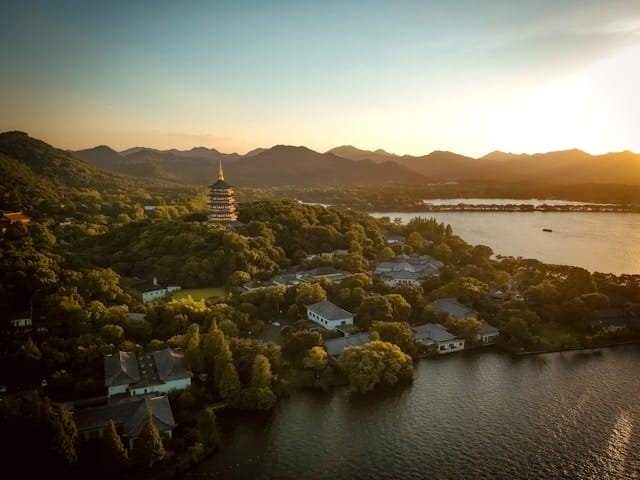
Just southwest of West Lake lies Longjing Village, the birthplace of Dragon Well tea. Hangzhou’s tea culture runs deep. You can visit the plantations, watch leaves being hand-roasted in traditional pans, and taste tea that’s been grown here for over 1,200 years. Meijiawu Tea Village is the other famous spot. The experience of sipping fresh Longjing tea in a hillside tea house, overlooking terraced gardens, is the kind of peaceful moment that balances out the intensity of exploring China’s big cities.
Hangzhou is easily reached from Shanghai on the high-speed rail in under an hour, making it a perfect day trip or overnight stop on your China tour, especially if you’ve set up one of the best eSIM cards for international trips so you can plan trains, tickets, and tea experiences on the fly.
Marvel at the Mogao Grottoes and Their Buddhist Art in Dunhuang
For something completely off the standard tourist trail, head to Dunhuang and the Mogao Grottoes. This UNESCO World Heritage site contains 492 caves carved into desert cliffs, housing approximately 45,000 square metres of murals and over 2,000 painted sculptures. The Buddhist art here spans a thousand years, from the 4th to the 14th century, making it one of the most significant repositories of Buddhist art in the world.
The grottoes sit along the ancient Silk Road, and the artwork reflects centuries of cultural exchange between Chinese, Indian, Central Asian, and Tibetan traditions. Some caves feature Tang dynasty murals of stunning detail and colour. Visit the Dunhuang Academy’s exhibition centre first for context, then explore the caves with a guided tour. Daily visitor numbers are capped, so book tickets well in advance, especially during summer.
Ride Horses Across Inner Mongolia’s Grasslands
Inner Mongolia is for those who want to see a side of China most tourists never discover. The vast grasslands of Hulunbuir stretch to the horizon in every direction, interrupted only by yurts, grazing horses, and clouds that seem close enough to touch.

Horseback riding on the steppe is the main draw. You can join multi-day horseback tours that cross grasslands, forests, and rivers, camping under stars at night. Shorter rides are available near Hohhot at Xilamuren Grassland for those with less time. Stay in a traditional Mongolian yurt, eat lamb cooked over open flame, and watch the sunset paint the grassland gold. Inner Mongolia also offers desert experiences at Kubuqi and winter trips to see the Naadam Festival’s horse races and archery.
The best time to visit Inner Mongolia is June through early October, when the grass is lush and temperatures are comfortable.
Eat Everything: A Quick Guide to Chinese Food Across China
Chinese food is not one cuisine — it’s dozens. Every region has its own specialty, and eating your way through them is one of the top things to do in China.
In Beijing, you have to eat Peking duck. In Shanghai, xiaolongbao (soup dumplings) are essential. Chengdu and Chongqing are the hot pot capitals, where bold Sichuan peppercorn and chilli oil dominate the dishes. Guangzhou is famous for its Cantonese dim sum, roast goose, and seafood. Xi’an’s Muslim Quarter serves hand-pulled noodles and lamb skewers. And in Hangzhou, try the Longjing shrimp — a delicate dish cooked with Dragon Well tea leaves.
Night markets are the best places to explore food cheaply and adventurously. In almost every city, vendors serve skewered meats, fried dumplings, stinky tofu, and a dizzying array of noodle soups. Eating at night markets is not just about the food — it’s about the atmosphere, the crowds, and the energy of Chinese street life.
How to Stay Connected While Visiting China
Here’s something I wish someone had told me before my first visit: China’s internet works differently. Google, WhatsApp, Instagram, and many other Western apps are blocked by the Great Firewall. If you don’t prepare ahead, you could land in Beijing with no way to pull up Google Maps, message family, or even check your email.
The simplest solution is a travel eSIM. An eSIM for China mainland lets you connect to local Chinese networks without swapping physical SIM cards or buying anything at the airport. You set it up before you fly, and the moment you land, you’re online.
I used BazTel for my trip. Their process is the smoothest I’ve tried: after purchasing, your eSIM appears in your online dashboard. From there you click one button — either the iPhone or Android install button — and it goes directly onto your phone. No QR code scanning, no separate app download. Just one click and you’re sorted. Their country-specific and global eSIM options start from $1 and cover 160+ countries, so if your China tour is part of a bigger Asia trip, one eSIM handles it all.
Having reliable data throughout my trip made a huge difference. I could use translation apps on the spot, navigate with maps even in the countryside, and share photos in real-time. If you’ve never used one before, it’s worth reading an ultimate guide to using eSIM plans for international travel so you know how to switch profiles, top up data, and avoid roaming fees. Staying connected isn’t just convenient in China — it’s borderline essential for getting around.
Practical Tips for Your China Trip
Getting Around
China’s high-speed rail network is the best in the world. Bullet trains between Beijing and Shanghai take around 4.5 hours and are comfortable, punctual, and affordable. For longer distances, domestic flights are plentiful. In cities, the metro systems in Beijing, Shanghai, Guangzhou, and Chengdu are excellent. Use Alipay or WeChat Pay for fares and taxi rides, and choose mobile data plans or eSIMs that leverage the strongest of China Mobile, China Unicom, and China Telecom networks for the regions you’ll visit.
Best Time to Visit
Spring (April–May) and autumn (September–October) offer the best weather and manageable crowds. Avoid Chinese New Year (January/February) and Golden Week (first week of October) unless you enjoy experiencing popular attractions shoulder-to-shoulder with millions of domestic travellers.
Money and Payments
China runs on mobile payments. Set up Alipay before you arrive — it now supports linking international credit cards. Cash is accepted but increasingly rare. ATMs dispense RMB if you need physical currency. As of 2025, ¥100 RMB equals approximately $14 USD. If you travel often, consider one of the best eSIM plans for frequent travelers so you can manage data across multiple trips without juggling physical SIM cards.
Visa Information
As of 2026, China offers visa-free transit for citizens of 54+ countries for stays of up to 10 days through designated airports. Many European and some Asian nationalities enjoy 30-day visa-free entry through 2026. Check the latest requirements for your passport before booking. Disclaimer: visa policies change frequently, so verify with your nearest Chinese embassy or consulate before travel.
Start Planning Your China Bucket List
China is one of those destinations that genuinely changes the way you see the world. From the Great Wall stretching across mountain ridges to the quiet beauty of West Lake, from the chaos of a Chongqing night market to the silence of a Mogao Grotto, there is no other place on Earth quite like it.
The top things to do in China span ancient civilizations, modern skyscrapers, incredible hiking, and some of the best food anywhere. Whether you spend two weeks or two months, every day brings something different. My recommendation: start planning, pick three or four regions, and give yourself time to actually explore rather than rush.
And before you go, get your connectivity sorted. A travel eSIM from BazTel takes 30 seconds to set up and saves you endless headaches once you land. It’s the kind of small thing that makes an amazing trip run smoothly from day one. Visit baztel.co to find a plan that works for you.
China is waiting. Put it on your bucket list!

Blog Author
Peter
I'm Peter, the founder of BazTel. I built this company at the intersection of two things I know well: finance and travel. Before starting BazTel, I worked in investment analytics at State Street, one of the world's largest custodian banks, and later at TCorp, the New South Wales Government's investment…


