Botswana
 Zambia
 Congo
Congo Colombia
 China mainland
 Chile
Chile Chad
Chad Central African Republic
 Canada
 Cameroon
 Cambodia
 Burkina Faso
 Bulgaria
 Brunei Darussalam
 Brazil
 Aland Islands
 Bosnia and Herzegovina
 Bolivia
 Belgium
 Belarus
 Bangladesh
 Bahrain
 Azerbaijan
 Austria
 Australia
 Armenia
 Argentina
 Algeria

I landed at LAX in March with a dead phone signal. My Lyft driver couldn’t find me. That’s the moment I stopped trusting roaming and started testing eSIM providers properly. I work in finance and travel constantly for both work and fun, so I’ve now compared more than a dozen options for the best eSIM for USA travel. The differences between them are bigger than most comparison sites let on.
This guide isn’t a rehash of marketing pages. It’s what I learned after buying real plans and installing them on three different phones. I tracked data usage across New York, Miami, Chicago, and a two-week road trip through the Southwest. Below, I’ll walk through pricing, unlimited data plans, network coverage, and the setup process. Then I’ll answer the questions I see travelers asking most often.
Why Your Old Roaming Plan Won’t Cut It Anymore
The US doesn’t have one dominant carrier. Coverage depends heavily on whether your eSIM provider connects to AT&T, T-Mobile, or Verizon. That single fact explains most of the inconsistent reviews you’ll find online. T-Mobile tends to win on raw 5G speed in cities. AT&T holds up well underground and in suburban sprawl. Verizon is excellent in dense urban cores, though patchier in some boroughs.
Most international carriers charge $10 to $15 a day for USA data roaming. That adds up fast on a two-week trip. A travel eSIM sidesteps this with a flat-rate data plan you buy once and use as needed. I’ve paid as little as $1 for a small starter pack. I’ve also paid as much as $60 for a month of unlimited data, depending on the provider and how much mobile data I actually needed.
How eSIM Technology Actually Works
An eSIM is a digital sim card built into your phone’s hardware. There’s no plastic to lose and no SIM tray to pry open with a paperclip. You don’t need a physical SIM at an airport kiosk either. Your carrier profile gets written directly onto the embedded chip already inside your device. Apple, Samsung, and Google have supported this since around 2018. By 2025, more than 1.2 billion devices worldwide were using eSIM technology, according to GSMA industry data.
Most providers still activate through a QR code. You buy the plan, get an email, then scan that qr code with your camera to install the profile. It works, but it’s clunky if your confirmation email lands in spam or your screen brightness is too low. Standing in an airport queue with bad lighting doesn’t help either.
BazTel does this differently. After you purchase your USA travel eSIM from BazTel, it appears directly on your BazTel online dashboard. From there, you tap one of two install buttons — one for iPhone, one for Android. The eSIM installs straight onto your device. There’s no QR code and no separate app to download first. I tested this on my own iPhone before a Chicago trip and had data running in under two minutes flat.
One detail worth knowing: eSIMs are harder for a thief to remove from a stolen device than a physical sim card, since there’s no tray to eject. That’s a meaningful security upgrade most travelers never think about until it matters.
Best eSIM for USA: How the Major Providers Compare
I tested five well-known names side by side, plus BazTel’s own USA plans and a dedicated Airalo eSIM review, to find the genuinely best eSIM for USA trips in 2026. Here’s how they stacked up on price, data, and the things that actually affect a trip.
Pricing: What You Actually Pay
Price is where the gap between providers is widest. It’s also the first thing most travelers compare. Below is what each provider charges for comparable data plans in the United States, current as of June 2026.
• BazTel: 5GB for $5.00, 10GB for $10.00, 20GB for $20.00, 50GB for $49.00 (30-day validity, AT&T and Verizon network)
• Airalo: 5GB for $13.50, 10GB for $22.50, 20GB for $36.50, 50GB for $42.00 (30-day validity, T-Mobile and Verizon network)
• Saily: 5GB for $13.99, 10GB for $22.99, 20GB for $36.99 (30-day validity, network not publicly disclosed)
• Nomad: 20GB eSIM for $22, with a 50GB plan around $31
• Holafly: unlimited data starting near $60 for 30 days, or roughly $3.90 per day, which makes detailed comparisons between Airalo and Holafly especially relevant for heavy data users
• SimOptions: positioned as the best budget eSIM for USA, with stable pricing since 2020
What jumps out immediately is BazTel’s per-gigabyte cost. It runs noticeably below Airalo and Saily across every tier I checked. Saily esim and Holafly eSIM plans both lean toward the premium end. A cheap eSIM option like BazTel or SimOptions suits travelers who just need a reliable internet connection without paying for extras they won’t use. A 20GB USA eSIM from BazTel costs $20, while the same 20GB from Airalo or Saily runs over $36. That’s not a small gap when you’re comparing competitive pricing on a longer trip.
Network Coverage and Reliability
Network coverage is the single biggest factor separating a reliable esim from a frustrating one. The USA has extensive infrastructure across AT&T, T-Mobile, and Verizon. Which network your esim provider connects to changes everything about how your trip actually feels. Most esim providers in the USA lean on T-Mobile or AT&T. BazTel connects through both AT&T and Verizon, which gives a useful blend of nationwide reach and dense-city performance.
Travelers heading off the interstate should pay attention here. Providers that support switching between multiple networks tend to hold a signal better on highways, in national parks, and in smaller towns. A single-carrier eSIM can drop out entirely in those spots. On my Southwest road trip, I lost a usable connection for roughly twenty minutes outside a national park gateway town. That happened regardless of which local network was supposed to cover that stretch. It’s a reminder that no USA eSIM guarantees perfect rural coverage, no matter what the marketing copy says.

A couple of practical notes worth flagging. Saily and some other providers don’t cover Alaska, so check before you buy if that’s part of your itinerary. Holafly is one of the few that includes both Hawaii and Alaska on its standard plans.
Unlimited Data Plans: What “Unlimited” Actually Means
Unlimited data plans are the most heavily marketed category in this industry. They’re also the most misunderstood. Saily’s unlimited plan gives you 5GB of high speed data daily before slowing down. Sim Local takes a similar approach, offering unlimited data plans with up to 10GB of high-speed data per day before throttling kicks in. Holafly markets true unlimited data with no daily metering at all. That’s why its $64.90 monthly unlimited plan costs more than fixed-data alternatives. You’re paying for the absence of a daily cap, not for raw gigabytes.
Here’s the part most blog posts skip: almost every unlimited esim relies on a Fair Usage Policy. According to GSMA guidance on network management, this exists to stop a small number of heavy data users from congesting a shared network, not to trick travelers. Once you cross the daily high speed data threshold, your speed drops. Usually it’s still enough to handle Google Maps, messaging, and basic browsing, but not HD video streaming or large uploads. For low data users who mostly need maps and texting, this rarely matters. For heavy data users uploading video or hotspotting a laptop all day, it matters quite a lot.
My take, after testing both approaches: unlimited plans make sense if you’re traveling 10+ days and can’t predict your data usage in advance. For shorter trips with a known itinerary, a fixed plan like BazTel’s 10GB or 20GB tier is usually cheaper. You’re unlikely to burn through that much data unless you’re streaming constantly anyway.
Calls, Texts, and Keeping a Local Phone Number
This is where most USA eSIM plans fall short. The majority of travel eSIMs are data-only, meaning you get mobile data but no phone number for calls and texts. That gap matters if you need to call a hotel front desk or receive a verification code from a US bank. Among the major eSIM providers, Airalo stands out here. It offers USA plans that include a real local phone number with calls, SMS, and data bundled together. Most competitors skip this entirely and expect you to rely on WhatsApp or other internet based apps for communication.
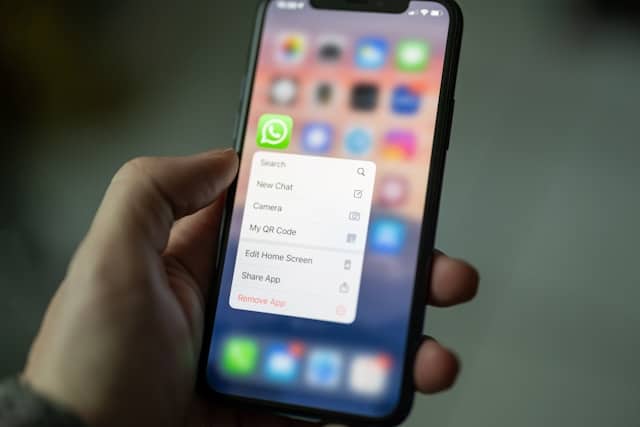
BazTel currently focuses on data-only plans, which keeps pricing sharp. If you specifically need a local phone number for calls and texts, it’s worth checking Airalo’s or a provider like ETravelSim’s voice-enabled options as a complement to a cheaper data plan. Plenty of travelers run two eSIMs at once for exactly this reason. One handles affordable data; the other handles phone calls and SMS through a local network.
Security Add-Ons: Web Protection and Virtual Location
A few providers have started layering security features onto their core data plans. Saily, built by the team behind NordVPN, includes web protection and an optional virtual location feature on its eSIMs, plus ad blocking. These extras won’t matter to every traveler. But if you’re connecting to hotel Wi-Fi or public networks frequently, that added web protection is a genuine point in Saily’s favor. None of the budget-focused providers I tested, including BazTel, currently bundle this kind of feature. If privacy tools are a priority, factor that into your decision alongside price.
How to Get an eSIM for the USA From the UK (or Anywhere Else)
If you’re flying in from the UK, here’s the process I’d actually recommend, based on testing it myself before a transatlantic trip and following a broader guide on how to get an eSIM in the UK and a dedicated walkthrough on how to activate and use an eSIM in the USA:
1. Confirm your phone supports eSIM. Most iPhones since the XS, Samsung Galaxy phones since the S20, and Pixel phones since the Pixel 3 support dual sim functionality. That means your existing UK sim and a new USA eSIM can run side by side.
2. Buy your plan online before you fly. Install it over home Wi-Fi so you’re not relying on airport Wi-Fi or a slow terminal connection.
3. Install through your provider’s dashboard, or by scanning the QR code emailed to you. With BazTel, this means logging into your dashboard and tapping the iPhone or Android install button directly. There’s no separate scanning step needed.
4. Leave your physical sim card active for calls and texts on your UK number. Set the new eSIM as your data line in your phone settings. This is the standard dual sim setup, and your banking apps and two-factor codes still work normally on your home number.
5. Don’t activate until you land, unless your plan’s validity starts on first network connection. Most providers, BazTel included, only start counting your 30 days once you’ve connected to a US network.
This same setup applies whether you’re flying from the UK, Australia, or anywhere else. The steps don’t change based on your home country. Only the roaming charges you’re avoiding by skipping your home carrier’s international plan change.
Is It Actually Worth Getting an eSIM for the USA?
Short answer: yes, for almost every international visitor. The math is straightforward. International roaming in the US typically runs $10 to $15 per day through a home carrier. A USA eSIM plan generally costs between $5 and $60 total for an entire trip, depending on how much data you need. For a 10-day visit, that’s the difference between paying upward of $100 in roaming fees and paying $10 to $20 for a comparable BazTel data plan.
The exception is genuinely short trips where you’ll have Wi-Fi access almost constantly, like a single conference with hotel Wi-Fi covering most of your hours. Even then, having mobile data for the airport, rideshares, and restaurant bookings tends to be worth the few dollars it costs.

Regional and Global Plans vs a USA-Only eSIM
Not every trip stays inside one country. This is where regional and global plans earn their keep. If your itinerary covers Canada or Mexico alongside the States, a regional plan from Airalo or Nomad esim can save you from buying a second USA eSIM halfway through your trip, or you can pair a USA plan with a dedicated eSIM for Canada if you’ll spend serious time there.
For travelers continuing on to other continents afterward, a global eSIM for travelers from a provider like Saily switches country packs automatically as you cross borders, much like how dedicated guides compare the best eSIM plans in Australia when you’re heading that way. That beats juggling more than one eSIM manually.
That said, most eSIM providers price regional plans higher than a single-country option. Don’t default to one unless you’re actually crossing borders. For a US-only trip, a dedicated USA eSIM like BazTel’s will almost always be the more affordable prices choice, since you’re not paying for coverage you won’t use.
It’s also worth knowing that the eSIM market itself is crowded. Dozens of eSIM companies now compete on the same basic promise: fast data, no traditional sim cards required, install before you fly. The practical differences between them usually boil down to price, network coverage, and whether they bundle a local phone number. A handful, like Jetpac, even throw in extras such as airport lounge access on premium tiers, though that’s the exception rather than the norm.
Device Compatibility and a Few Practical Tips
Before buying any eSIM plan, confirm your device is eSIM compatible, especially if you’re planning to activate eSIM on an iPhone. Every iPhone since the XS, Pixel 3 and newer, and most Samsung Galaxy phones from the S20 onward support it. Older or carrier-locked devices sometimes don’t.
A prepaid travel eSIM works whether you’re buying a single local sim card replacement, following a guide on how to transfer a SIM to eSIM, or a broader international eSIM meant to cover several countries on one trip. Checking compatibility takes thirty seconds in your phone settings.
It saves you from buying a plan your device can’t actually install. If you’re traveling as a group, look for a provider that supports multiple devices on one account rather than buying a separate local sim card for each person.
A few things I’d tell a friend before their first USA trip with an eSIM. First, download offline Google Maps over Wi-Fi before you land. A slow connection at the airport then won’t leave you stranded. Second, if you’re traveling with a partner or colleague, consider separate lines rather than relying on one phone’s hotspot all day. Hotspot usage often has its own daily cap even on otherwise generous plans. Third, if your work involves video calls or international calls home, test your connection on arrival. Don’t assume “unlimited” means flawless quality everywhere. Speeds dip in subway stations and some national park areas, regardless of provider.
Subscription-style options exist too. Holafly Plans and Saily Ultra both offer monthly plans for travelers who are on the road constantly rather than taking single trips. That can undercut buying a fresh eSIM plan every time you land somewhere new. For occasional travelers, though, a one-off USA eSIM purchase remains simpler and usually cheaper overall.
Reliable service ultimately comes down to matching the plan to the trip, not chasing whichever provider has the loudest marketing. A short city break rarely needs more than a basic data only plan. A month of remote work from a US co-working space justifies paying more for genuine unlimited data and dependable hotspot performance.
Frequently Asked Questions
Which eSIM is best for the USA? It depends on your trip length and data habits. For most travelers prioritizing value, BazTel offers the best eSIM providers comparison on price per gigabyte, with 10GB for $10 and 20GB for $20 on AT&T and Verizon. If you specifically need unlimited data with zero daily metering, Holafly is the strongest option despite the higher price. If you want a bundled local phone number for calls and texts, Airalo currently leads that category.
How do I get an eSIM for USA from the UK? Buy your plan online before departing. Install it over Wi-Fi at home, using either the QR code or, with BazTel, the dashboard install buttons. Leave it inactive until you land if your plan’s validity starts on first connection. Keep your UK physical sim active for calls so your banking and verification codes still work.
Is it worth getting an eSIM for the USA? Yes, in almost every case. A USA eSIM typically costs a fraction of standard roaming rates. Setup takes less than a minute once you’ve bought the plan, especially with direct dashboard installation instead of a QR code.
Which SIM card is best for tourists in the USA? For most tourists, an eSIM beats a traditional sim card. There’s no kiosk to find, no ID requirement at a counter, and no physical sim to lose. Budget-focused options like BazTel or SimOptions suit short stays. Holafly suits travelers who’ll be online constantly and want unlimited data without watching a meter.
Do I need a local phone number while traveling in the USA? Not usually. Most travelers get by entirely on data through WhatsApp, iMessage, and email. A local phone number for calls and texts only matters if you need to receive SMS verification codes from a US bank or call a business that won’t accept an international number.
Can I use more than one eSIM at the same time? Yes, on supported phones. Many travelers run one eSIM for affordable data and a second for a local phone number. They switch which one handles data, calls, or hotspot usage in their phone settings.
Does an eSIM support hotspot usage? Most do, including BazTel. Some unlimited plans cap how much hotspot data you get daily before throttling. Always check this separately from the headline data allowance, since it’s often the first thing to get limited on heavier plans.
What happens when I run out of data? You’ll usually get a notification at 80% usage. From there, your options are to buy more data, known as a top-up, or switch to your physical sim if you still have one active. None of the providers I tested cut you off without warning.
Bottom Line: My Recommendation
After weeks of testing, here’s where I landed. Buying an esim online now takes less time than finding parking at most local services counters used to. A few providers even throw in a small free data trial so you can test the connection before committing. If price per gigabyte matters most, BazTel’s data plans for the USA beat Airalo and Saily by a wide margin. A 20GB plan for $20 against $36 and up elsewhere is hard to argue with, especially with no hidden fees and a trip cancellation guarantee if your travel dates fall through.
If you genuinely can’t predict your usage and want true unlimited data, Holafly’s $64.90 plan removes that anxiety entirely. Just expect to pay for that peace of mind. And if calls and texts through a real US number matter for your trip, pair a data-only plan with a voice-enabled option from a provider like Airalo.
What I wouldn’t recommend anymore is showing up at an airport kiosk hunting for a physical sim card. Don’t just accept your home carrier’s daily roaming charge by default either. Between the pricing gap and the one-tap install process now available through dashboards instead of a qr code, there’s no real reason left to do either. Whichever network your next provider runs on, get the eSIM installed before you fly, not after you land.

Blog Author
Peter
I'm Peter, the founder of BazTel. I built this company at the intersection of two things I know well: finance and travel. Before starting BazTel, I worked in investment analytics at State Street, one of the world's largest custodian banks, and later at TCorp, the New South Wales Government's investment…