Botswana
 Zambia
 Congo
Congo Colombia
 China mainland
 Chile
Chile Chad
Chad Central African Republic
 Canada
 Cameroon
 Cambodia
 Burkina Faso
 Bulgaria
 Brunei Darussalam
 Brazil
 Aland Islands
 Bosnia and Herzegovina
 Bolivia
 Belgium
 Belarus
 Bangladesh
 Bahrain
 Azerbaijan
 Austria
 Australia
 Armenia
 Argentina
 Algeria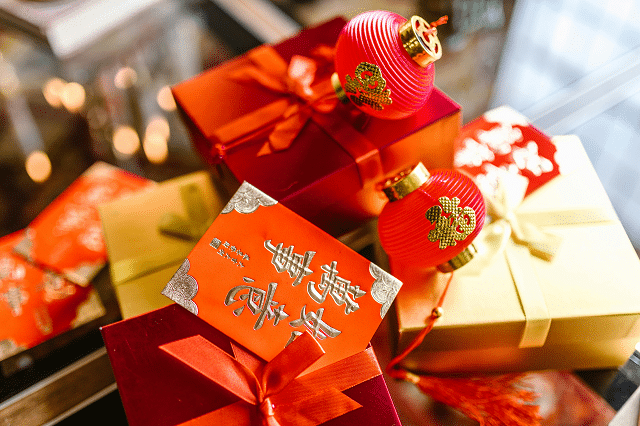

I’ll never forget my first Chinese New Year in Beijing. Red decorations covered every street. Fireworks exploded across the sky. People everywhere exchanged cheerful greetings I couldn’t understand.
That’s when I realized something important. Learning how to say happy new year in Chinese opens doors. It connects you to one of the world’s most vibrant celebrations. Chinese New Year 2026 falls on February 17th. This marks the beginning of the Year of the Horse.
Whether you’re traveling to China, visiting friends during the happy Chinese New Year celebrations, or exploring Chinese culture, these greetings matter. Learning happy new year phrases creates connections that transcend language barriers.
The Essential Greeting Everyone Should Know
The most common way to say happy new year in Chinese is “Xin Nian Kuai Le” (新年快乐). This Mandarin phrase works perfectly in almost any situation. It literally means “New Year happiness.” Many people also use this for Lunar New Year celebrations across Asia.
Each Chinese character carries meaning. The symbol 新 (xin) means “new.” The character 年 (nian) means “year.” Together, 快乐 (kuai le) expresses “happy” or “joyful.” This phrase works for strangers and friends alike. It’s formal yet warm.
In Cantonese, the same greeting becomes “Sun Nin Fai Lok”. The written Chinese characters stay identical. Only the pronunciation changes. This version serves you well in Hong Kong and Guangdong province.
Timing Your Greetings Perfectly
You can use “Xin Nian Kuai Le” from New Year’s Eve through the Lantern Festival. That’s February 16th through March 3rd in 2026. Saying happy new year in Chinese during this period shows cultural awareness. The phrase works whether you’re texting, calling, or meeting face-to-face. Understanding the new year in Chinese tradition enhances your appreciation of this important festival.
This greeting demonstrates respect for Chinese culture. It shows you understand the importance of the Spring Festival period.
Wishing Prosperity: Gong Xi Fa Cai
When people ask how to say happy new year for prosperity, the answer is “Gong Xi Fa Cai” (恭喜发财). This Mandarin phrase has spread worldwide as a happy Chinese New Year greeting. It actually means more than just “happy new year.”
The translation is “wishing you happiness and prosperity.” The first two characters, 恭喜 (gong xi), mean “congratulations.” The final characters, 发财 (fa cai), specifically refer to wealth. In Chinese culture, prosperity holds deep significance.
Understanding Kung Hei Fat Choy
What does kung hei fat choi mean? It’s the Cantonese pronunciation of “Gong Xi Fa Cai.” Written as 恭喜發財, it conveys identical wishes. How to say happy new year in Chinese Kung Hei Fat Choy? Simply pronounce each syllable clearly: “Kung Hei Fat Choy.”
This phrase shines when exchanging red envelopes. These lucky packets contain money. Children and unmarried adults receive them from older family members. “Gong Xi Fa Cai” accompanies this cherished tradition perfectly.
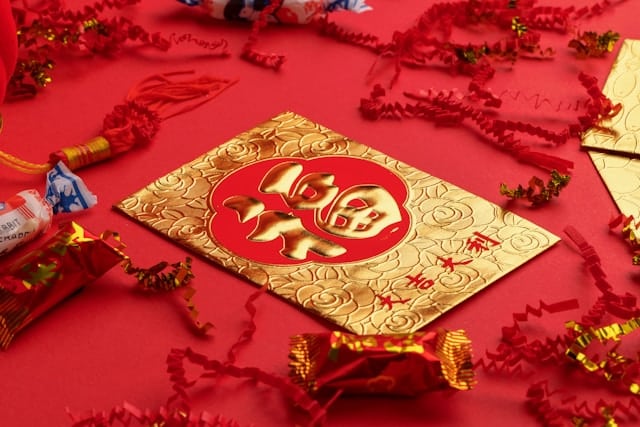
What does Gong Xi fa cai mean in Chinese? It expresses congratulations and wishes for wealth. Many people say this phrase when giving or receiving hong bao (red envelopes). The greeting captures the essence of Chinese New Year wishes.
Casual Greetings for Close Connections
With close friends or family, try a more relaxed phrase. “Xin Nian Hao” (新年好) offers exactly that casualness. It means “New Year goodness” or “Good New Year.”
The pronunciation is straightforward. The phrase feels less formal than “Xin Nian Kuai Le.” Many Chinese people use this with their closest relatives. In Cantonese, say “San Nin Hou” instead.
I remember using “Xin Nian Hao” with my colleague’s family in Shanghai. Their faces lit up with appreciation. It showed I understood subtle differences in Chinese culture. That mattered more than perfect pronunciation.
Additional Traditional New Year Wishes
Once you know how to say happy new year in Chinese basics, expand your vocabulary. These traditional wishes impress native speakers.
“Chun Jie Kuai Le” (春节快乐) means “Happy Spring Festival.” Since Chinese people call their new year the Spring Festival, this phrase shows cultural awareness. The lunar calendar marks this as spring’s beginning.
“Wan Shi Ru Yi” (万事如意) translates to “may all wishes come true.” This beautiful phrase expresses hope for the coming year. It shows you care about someone’s dreams.
“Nian Nian You Yu” (年年有余) means “abundance every year.” Chinese culture values having surplus. It represents security and helping others. This wish resonates deeply during celebrations.
Mastering Chinese Characters and Their Meaning
The written Chinese characters for greetings carry layers of meaning. When you see 新年快乐 on decorations, you’re witnessing ancient art. These characters go back thousands of years.
The character 新 (new) combines elements suggesting fresh timber and axes. It symbolizes building something new. The character 年 (year) originally showed a person carrying grain. It represents harvest and time’s passage.
Many families display these characters upside down during festivities. This custom uses a clever linguistic trick. The word for “upside down” (倒, dao) sounds like “arrive” (到, dao). An upside-down 福 (fu, meaning “blessing”) means “blessing has arrived.”
Understanding written characters deepens your connection to Chinese culture. It shows respect for this ancient language system.
Pronunciation Tips for Perfect Mandarin
Learning correct pronunciation builds confidence when you say happy new year. Mandarin uses four tones plus one neutral tone. Getting tones right makes a real difference.
For “Xin Nian Kuai Le,” use these tones. First tone on “xin” stays high and level. Second tone on “nian” rises upward. Fourth tone on “kuai” falls sharply. Fourth tone on “le” also falls.
The phrase “Gong Xi Fa Cai” uses specific tones too. Both “gong” and “xi” take first tone. “Fa” uses first tone. “Cai” takes second tone. Practice with native speakers or apps.
Listening during celebrations provides excellent learning opportunities. Music and videos from the festival offer great pronunciation guides.
Cantonese Pronunciation Essentials
Cantonese pronunciation differs dramatically from Mandarin. The written characters remain the same. But Cantonese uses six to nine tones. This makes it challenging for beginners.
For “Gong Hei Fat Choy,” each syllable carries distinct tones. These create the phrase’s musical quality. Native speakers in Hong Kong appreciate your effort. Even imperfect pronunciation earns smiles.
I attempted my first Cantonese greeting in Hong Kong. My pronunciation wasn’t great. But colleagues smiled warmly and gently corrected me. They appreciated my effort to learn their language.
Cultural Context for New Year Greetings
Understanding when to say happy new year in Mandarin matters. Chinese culture emphasizes proper timing. You greet people during your first encounter after festivities begin.
The celebration period lasts 15 days traditionally. It runs from New Year’s Eve through the Lantern Festival. During this time, use these greetings freely.
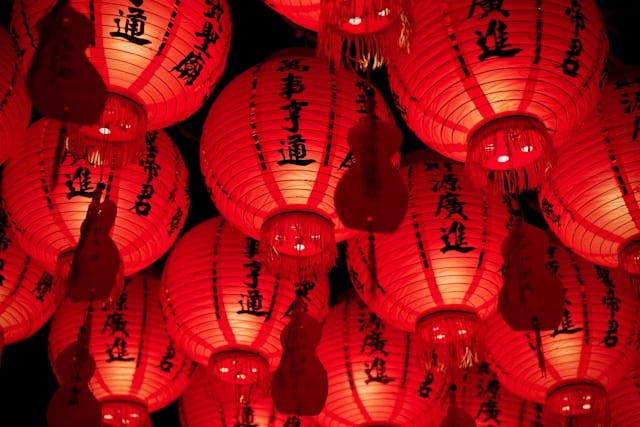
For elders or formal business settings, “Xin Nian Kuai Le” works best. With close friends or younger colleagues, “Xin Nian Hao” feels appropriate. This mirrors English formality levels.
How to Respond When Greeted
When someone wishes you “Xin Nian Kuai Le,” repeat it back. This exchange of good wishes creates reciprocal blessing. Both people appreciate this tradition.
You can also respond with “Xie Xie” (谢谢), meaning “thank you.” Follow with “Ni Ye Shi” (你也是), meaning “you too.” Some add “Tong Le” (same to you). These variations show politeness.
In formal settings or with elders, bow slightly while exchanging greetings. This gesture demonstrates respect for Chinese culture. Sincerity matters more than perfect pronunciation.
Red Envelopes and New Year Wishes
Red envelopes play a crucial role in celebrations. Called “hong bao” in Mandarin or “lai see” in Cantonese, these packets contain money. They represent cherished tradition.
When exchanging red envelopes, say “Gong Xi Fa Cai” or “Gong Hei Fat Choy.” The color red symbolizes good luck in Chinese culture. It wards off evil spirits.
Married people traditionally give red envelopes to children and unmarried adults. The amount matters less than the gesture. It should be an even number. Avoid anything with the number four. In Chinese, four sounds like “death.”
Bills should be crisp and new. This symbolizes a fresh start for the new year. Many people queue at banks beforehand to get new currency.
Making Greetings Memorable and Personal
To make your wishes stand out, learn zodiac-specific phrases. For 2026, the Year of the Horse, try “Ma Dao Cheng Gong” (马到成功). This means “success comes swiftly like a galloping horse.”
You can combine multiple phrases for elaborate wishes. Many greeting cards string together blessings. “Xin Nian Kuai Le, Gong Xi Fa Cai, Wan Shi Ru Yi” covers happiness, prosperity, and wish fulfillment.
Authenticity creates the most memorable greetings. Chinese people recognize genuine effort. Even imperfect pronunciation with sincere intentions wins hearts.
Regional Variations Across Asia
While Mandarin and Cantonese dominate, other dialects exist. The concept of “year” in Chinese culture extends across all these variations. In Taiwan, people speak Taiwanese Hokkien. They say “Gong Hei Huat Tsai” for Lunar New Year greetings. In Singapore and Malaysia, multiple Chinese languages coexist for celebrating the new year in Chinese tradition.
These regional differences reflect the diversity of celebrating the year in Chinese communities. In Indonesia, ethnic Chinese celebrate Imlek (from Hokkien “lunar calendar”) as their Lunar New Year. They use their own linguistic variations.
During my Singapore travels, people switched between languages seamlessly. Mandarin, Cantonese, Hokkien, and English all appeared in conversations. This flexibility characterizes modern Chinese communities.
Practical Travel and Business Applications
If you’re traveling to China or Asia during festivities, these phrases become essential. The festival triggers the world’s largest human migration. Hundreds of millions travel home for family reunions.
Hotels and restaurants may operate on reduced schedules. Knowing how to say happy new year properly helps navigate situations. When I wished hotel staff “Xin Nian Kuai Le,” their service improved noticeably.
For business professionals, these greetings strengthen relationships. Many companies exchange gifts during this season. Sending messages in Chinese demonstrates cultural respect. This enhances business relationships significantly.
Modern Digital New Year Celebrations
Technology has transformed how people share happy new year wishes. WeChat lights up with red envelope exchanges during Chinese New Year festivities. You can send virtual red envelopes with instant money transfers for the Chinese New Year celebration.
Many share elaborate video messages during the Chinese New Year period. These feature animated characters, traditional music, and beautiful calligraphy. Digital happy new year greetings blend ancient traditions with modern convenience.
Learning to text these greetings adds another dimension. Most smartphones support Chinese input now. You can practice writing “新年快乐” or “恭喜发财” using various methods.
Embracing Chinese New Year 2026
As February 17th, 2026 approaches, Chinese communities worldwide will prepare enthusiastically. Celebrations will blend ancient customs with contemporary innovations. Traditional lion dances will share space with high-tech light shows.
Whether traveling to China, celebrating with friends locally, or simply broadening horizons, these phrases matter. They open conversations and create connections. They demonstrate respect for one of humanity’s oldest cultures.
The next time you encounter festivities, you’ll be ready. From the first “Xin Nian Kuai Le” to “Wan Shi Ru Yi,” you’ll carry good wishes confidently. You’ll participate with cultural understanding.
Chinese New Year reminds us of universal human desires. We all celebrate renewal, prosperity, and happiness. Learning these greetings in Mandarin or Cantonese transcends mere words. It means joining billions in joyful celebration.
As we welcome the Year of the Horse, may your language skills advance successfully. May you always know the perfect phrase to say happy new year in Chinese. The world becomes smaller when we embrace each other’s languages. The world grows richer when we share in celebrations.

Blog Author
Peter
Peter started BazTel.co to make mobile internet easier for travellers. He noticed how tough it was to find good network options while visiting new countries. That’s when he built BazTel — a place where anyone can buy eSIMs online without confusion or long steps. He believes tech should be simple and useful, not complicated. When he’s free, he likes to travel, test BazTel himself, and keep improving it based on real user problems.