Botswana
 Zambia
 Congo
Congo Colombia
 China mainland
 Chile
Chile Chad
Chad Central African Republic
 Canada
 Cameroon
 Cambodia
 Burkina Faso
 Bulgaria
 Brunei Darussalam
 Brazil
 Aland Islands
 Bosnia and Herzegovina
 Bolivia
 Belgium
 Belarus
 Bangladesh
 Bahrain
 Azerbaijan
 Austria
 Australia
 Armenia
 Argentina
 Algeria

Three years ago I landed at Kuala Lumpur International Airport with a dead phone battery and zero plan for getting online. I queued behind eleven other tourists at a Maxis counter. Then handed over my passport and waited twenty minutes for a SIM card so I can just use it for four days! Last month I flew back to Malaysia for work. The whole experience took under ninety seconds. I hadn’t even left the lounge at Sydney Airport. The difference was an eSIM for Malaysia. Once you’ve used one properly, you don’t go back to standing in airport queues.
I work in finance, but eSIMs have become a genuine hobby over my past few years of travel. I’ve now tested data plans from five different eSIM providers ahead of trips to Malaysia. I tracked their real-world speeds in Kuala Lumpur, Penang and Langkawi. I compared every plan against what a local sim card or physical sim card would cost at the airport. This guide is the result. I’ll walk through the best eSIM for Malaysia for different travel styles. I’ll also cover where unlimited data actually means unlimited, and where it quietly doesn’t.
Why Most Travellers Are Switching to an eSIM for Malaysia
Malaysia’s mobile network is genuinely good. As of 2026, the country has well over 97% 4G population coverage. 5G has rolled out across Kuala Lumpur, Penang, Johor Bahru and most major cities through the merged CelcomDigi network and Maxis. That matters because almost any Malaysia eSIM you buy will ride on solid infrastructure, rather than a patchy backup network.
What’s changed more recently is how much harder it’s become to buy a physical sim card on arrival, especially now that more travellers understand the key benefits of eSIM technology for short trips and frequent flying. Since February 2026, Malaysia’s communications regulator has tightened registration rules for any new physical sim. Getting one now typically means a passport scan, a biometric photo and a printed hotel address. That takes ten to twenty minutes at the counter. I went through this myself in March. It ate into my first afternoon in KL.
A Malaysia eSIM skips every part of that. There’s no in-person registration, no queue, and no handing your passport to a kiosk attendant at 2am after a delayed flight. An eSIM for Malaysia helps you stay connected from the moment you land, with nothing to register once you’re on the ground.
Both Maxis and the merged CelcomDigi local network have invested heavily in tower upgrades since 2024. That’s part of why complaints about patchy data roaming in Malaysia have dropped compared with other countries in the region. I noticed genuinely solid coverage even in shopping malls and basements around KL, somewhere local network performance often dips elsewhere.
There’s also the practical matter of your existing number. With a Malaysia eSIM, your physical sim stays in your phone. Calls and texts on your home number keep working through dual sim functionality, while data runs through the eSIM profile. I kept my Australian number active the whole trip purely for two-factor authentication codes. All my actual mobile data ran through the Malaysia plan. That’s the single biggest reason I’d choose an eSIM for Malaysia over a local sim card for any trip under a month.
What “Best” Actually Means for a Malaysia Trip
Before comparing specific eSIM providers, it’s worth being honest about what “Best eSIM for Malaysia” should mean for you. It isn’t the same answer for everyone. A backpacker bouncing between Kuala Lumpur, the Perhentian Islands and Borneo over three weeks has very different needs to someone in for a four-day conference.

I judge every plan on four things. How much data is usable at full speed. Which local network it runs on. How transparent the pricing is. And how painless installation is when you land. Get those four right and you’ll stay connected for the entire trip without thinking about it again.
Best eSIM for Malaysia: My Quick Picks
After running data tests across multiple trips, here’s where I landed on the best eSIM for Malaysia for different budgets and travel styles. BazTel is my pick for anyone who wants straightforward fixed data plans without paying for headroom they won’t use. Airalo remains the safest all-rounder if brand recognition matters to you. Saily is the strongest choice if you specifically want unlimited data eSIMs with a generous daily allowance.
● Best overall value: BazTel — fixed data plans on the Maxis and CelcomDigi networks, starting from $1 for a trial plan
● Well known unlimited data plan: Saily — 5 GB daily high speed data, USD 29.90 for 7 days
● Most widely used: Airalo — strong app experience, though its “unlimited” tier throttles after 3 GB a day
● Top plan for committed unlimited users: Holafly — genuinely unlimited data, but with a daily high-speed data cap
● Competitive fixed data: Ubigi — 10 GB for USD 12 on the Maxis network
None of these are bad eSIM options. The right one comes down to how much data you’ll burn through. It also depends on whether you care more about price or peace of mind. Whichever tier you choose, the goal is simple: stay connected without paying for headroom you’ll never use.
Unlimited Data eSIMs for Malaysia: What the Fine Print Actually Says
This is where most comparison articles get lazy, so let’s get specific. “Unlimited” in the eSIM industry almost never means truly unlimited at full speed. It means unlimited data for the duration of your plan, governed by a Fair Use Policy. That policy caps how much arrives at high speed each day. If you’re shopping around, compare unlimited data plans carefully before committing. The daily cap matters more than the headline price. Most data roaming complaints trace back to a misunderstood cap, not a genuine network fault.
Holafly
Holafly offers unlimited data eSIMs in Malaysia. To its credit, you won’t get cut off entirely once you hit your cap. Holafly’s unlimited plan comes with a Fair Use Policy that limits your daily high speed data. Once you cross that threshold, speeds drop noticeably. Sometimes they drop to a level that struggles with anything beyond messaging apps. As of 2026, Holafly’s Malaysia pricing for unlimited plans runs from roughly USD 19 for five days up to about USD 99 for ninety days.
Saily
Saily, built by the team behind NordVPN, provides unlimited plans with 5 GB of daily high speed data before any throttling kicks in, and sits in a similar bracket to Airalo if you compare Saily vs Airalo for international eSIMs. In my testing across Kuala Lumpur and George Town, that 5 GB easily covered Google Maps navigation, Grab bookings and WhatsApp video calls. It also left room for a reasonable amount of social browsing in a single day. Saily’s 7-day unlimited plan runs USD 29.90, which positions it as mid-range rather than budget.

Airalo
Airalo’s plans branded as unlimited cap daily usage at 3 GB before throttling speeds down to roughly 1 Mbps, which lines up with broader comparisons of Airalo vs Holafly unlimited eSIM options. That’s workable for messaging, but frustrating for navigation-heavy days or uploading photos. I hit that 3 GB ceiling on a single day of heavy Google Maps use, driving from KL to the Cameron Highlands. The rest of that evening’s connection was sluggish. Sim Local offers unlimited data plans with a clearer daily high speed data limit on the Digi and Maxis local network, generally either 5 GB or 10 GB. I found that easier to plan around than Airalo’s equivalent tier.
The pattern across every unlimited data eSIM I tested is the same. Read the daily cap before you buy, not after you’ve burned through it on day one. Across the unlimited data eSIMs I compared, daily high speed data caps ranged from 3 GB right up to 10 GB. That’s a wide enough gap to change how a trip actually feels day to day, especially if data roaming between cities is part of your itinerary.
If you’re the kind of traveller who burns through a daily high speed allowance fast, pay attention to hotspot restrictions too. The Holafly eSIM, for instance, treats tethering separately from your main data usage. Video calls run over a hotspot can eat your allowance faster than expected. I also found that reliable signal mattered more than raw speed once I was sharing a connection across multiple devices in a single hotel room. A stable connection at 20 Mbps beat an unstable one at 80 Mbps every single time.
Fixed Data Plans: Often the Smarter Choice for Most Trips
Unlimited data plans get all the marketing attention, but fixed data plans are frequently the better deal, especially for frequent travelers choosing eSIM plans. That’s especially true for trips under two weeks. A fixed plan gives you a set data packages allowance, usually with no throttling at all until you’re fully out. That means full speed for navigation and calling apps the entire time. Most data only travel eSIM plans track data usage in real time through the provider’s app, so you can see exactly how much you’ve burned through before topping up.
Maaltalk
Maaltalk’s 7-day plan, priced at USD 5.70 for 10 GB, is one of the cheapest fixed-data only options I tracked. It runs on local LTE roaming networks, delivering a steady 40 to 50 Mbps in the cities I tested it in. Ubigi’s 10 GB data only plan at USD 12 connects through the Maxis network. It held a stable connection throughout central Kuala Lumpur, with noticeably low latency that made video calls feel close to a local wifi connection. For longer stays, 4S eSIM offers data only plans as low as 0.1 GB for genuinely short layovers. That’s a nice option if you’re only in transit for an afternoon.
BazTel eSIM
BazTel takes a similar fixed, data only approach but prices it more aggressively. A 5 GB plan costs $5.00, 10 GB is $8.00, 20 GB is $14.00 and 50 GB is $29.00, all valid for 30 days on the Maxis and CelcomDigi networks. For a one-week trip with normal usage, that 10 GB tier has been more than enough every time I’ve tested it. It covers navigation, a few hours of hotspot sharing to my laptop each evening, and a fair amount of video calling back home. Travellers who want more data than that can simply step up a tier, rather than juggling separate data packages from two providers.
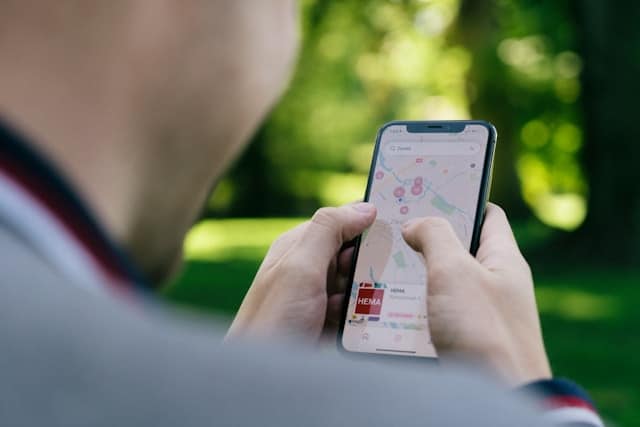
If you’re trying to estimate how much data you actually need, here’s a rough guide from my own usage logs, and it pairs well with checking how to activate an eSIM on iPhone or your specific device before you travel. Google Maps for a full day of sightseeing uses around 50-100 MB. An hour of WhatsApp video calls runs about 200-300 MB. General browsing and social media add another 200-500 MB per day. Heavy data users who stream video or work remotely from cafés should budget closer to 1-2 GB per day. They should lean toward unlimited plans instead. Buying slightly more than your needed data estimate is a sensible buffer for the inevitable map-heavy day.
If you realise partway through your trip that you need more data, most providers let you top up rather than buy a whole new plan from scratch. That keeps data speeds consistent instead of starting a fresh profile. For remote work days, I look for a stable internet connection over raw mobile data allowance. A provider offering reliable internet at modest speeds beats one with a huge cap and patchy reception.
BazTel vs Airalo vs Saily: A Direct Price Comparison
Numbers make this easier than opinions, so here’s how the three providers stack up on equivalent fixed data tiers. This is based on pricing I checked as of June 2026.
| Data | BazTel | Airalo | Saily |
|---|---|---|---|
| 5 GB | $5.00 | $12.00 | $12.99 |
| 10 GB | $8.00 | $20.00 | $21.99 |
| 20 GB | $14.00 | $32.00 | $35.99 |
| 50 GB | $29.00 | $49.00 | N/A |
Across every data packages tier, BazTel comes in noticeably cheaper than both other eSIM providers, though anyone wedded to Airalo’s ecosystem might still want a deeper Airalo eSIM review and breakdown before switching. It runs on the same Maxis network as Airalo, plus CelcomDigi, which Airalo’s Malaysia plans don’t use.
Saily and Airalo both carry stronger global brand recognition. That counts for something if you want a single provider’s app across several countries on a longer trip. But if you’re flying specifically to Malaysia and want the most data for your money, the price gap is hard to ignore. BazTel also lets new users try a 1 GB plan for $1. That’s a low-risk way to confirm the connection and reliable data delivery before committing to a bigger plan for your Malaysia trip.
It’s worth being transparent here: prices across all eSIM providers shift fairly often. Currency conversions move too. Treat these as a snapshot rather than gospel. Always check the current price on the provider’s site before you buy.
For travellers planning regular hotspot sharing to a laptop in the evenings, BazTel’s higher tiers work out noticeably more cost efficient than the equivalent unlimited tier from Saily or Holafly, and you can always check BazTel’s broader global eSIM offerings if Malaysia is just one stop. None of these three travel eSIM options include a Malaysian phone number. If you specifically need a local phone number for a delivery driver or a hotel booking, you’ll still want a physical sim card or U Mobile’s traveller eSIM alongside whichever data plan you choose.
Choosing Between Malaysia eSIM Plans by Trip Length
Not every Malaysia eSIM plan suits every trip. The right Malaysia eSIM plans change depending on how long you’re staying and where else you’re headed. For a short city break, a single data only plan in the 5-10 GB range is usually enough. Most providers price these eSIM plans as their cheapest eSIM tier. For longer trips, look at Malaysia eSIM plans built around multiple data plans you can stack as you go. A travel eSIM with a higher cap also works, and won’t need topping up halfway through your stay.
If your itinerary stretches beyond Malaysia, regional plans covering Southeast Asia are worth a look, but for a single-country stay it’s usually smarter to start with a dedicated eSIM for Malaysia and only scale up if you really need to cross borders.
Airalo’s Asialink and similar travel eSIM products bundle Malaysia alongside Thailand, Vietnam, Singapore and Indonesia, but you can also mix that with separate country plans such as an eSIM for Maldives if you’re adding a beach break. That suits anyone moving between multiple countries on the same trip, rather than buying a fresh Malaysia eSIM at every border.
The trade-off is that a country-specific Malaysia eSIM plan is almost always cheaper per gigabyte than a wider southeast asia bundle, so pairing it with a separate eSIM for Singapore can still work out cheaper overall than a single regional pass. It’s only worth the premium if you genuinely need it. For most travelers sticking to a single country trip, the local plan wins on price every time.
Know your eSIM Plan
One detail that catches people out: most Malaysia eSIM options are a data only service. That means there’s no Malaysian phone number or local phone number attached, unless you specifically pick a provider like U Mobile’s eSIM that includes one. If you only need a number for the occasional restaurant booking, a free number through Grab itself works fine. Simply using WhatsApp on your existing number also gets most travelers through a trip without paying extra for an eSIM that includes calling.
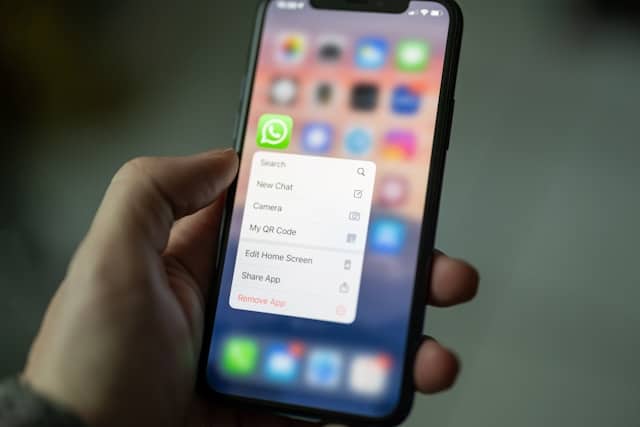
It’s also worth confirming eSIM compatible status before you buy any Malaysia eSIM. Check that your device supports the dual sim functionality you’ll need to run it alongside your home line. Most phones released since 2019 support eSIM, including iPhone XS onward and most recent Android flagships. Cheaper or older Android models sometimes don’t. A quick check in your phone’s settings, under “Add eSIM” or “Add Cellular Plan”, confirms whether your device is eSIM compatible. Going through this check before checkout has saved me more than once from buying a prepaid eSIM my phone then refused to install.
How eSIM Installation Actually Works Now (No QR Code Required)
For years, every eSIM for Malaysia activation guide told you the same thing. Buy the plan, get sent a QR code, and open your camera to scan it. You had to hope your hands were steady enough not to start over. That’s still how plenty of eSIM providers work, including Airalo and Saily. Both deliver your eSIM profile as a QR code you scan during setup. The Airalo app itself remains genuinely easy to use. That’s the main reason so many first-time travellers default to it, despite paying more for the same data elsewhere.
BazTel has moved away from that entirely. After you purchase, your eSIM shows up directly on your online dashboard, rather than in an email with a QR code attached. From there, you tap one of two installation buttons, one built for iPhone and a separate one for Android. The eSIM installs itself directly onto your phone. No camera, no scanning, no separate app download. I tested this from my hotel room in Bangsar with patchy WiFi. The entire installation took under a minute, start to finish.
This matters more than it sounds. QR code scanning fails more often than people admit. Screen glare, a cracked phone screen, or a profile that doesn’t render properly on a laptop versus a phone are common culprits. Skipping that step removes the single most common point of friction in the entire eSIM setup process. It’s a small thing. But after activating eSIMs at 1am in a dozen different countries, small things like this add up fast.
Network Coverage Across Malaysia: Cities, Beaches and Remote Areas
Coverage is where the “best eSIM for Malaysia” question gets genuinely interesting, because Malaysia isn’t uniformly connected. Whichever eSIM for Malaysia you pick, coverage outside the main cities is the real test of how well it holds up. Kuala Lumpur, Penang, Johor Bahru and other major cities get strong 4G, and increasingly 5G, from both the Maxis network and the merged CelcomDigi network. I had a consistent connection throughout central KL, George Town and along most of the highway between them.
Remote areas tell a different story. East Malaysia, covering Sabah and Sarawak on Borneo, has thinner coverage outside Kota Kinabalu and Kuching. I noticed both my eSIM and a local sim card from a Malaysian friend dropped speeds once we got into rural Sarawak. The Perhentian Islands and pockets of the Cameron Highlands had patchy signal too, regardless of provider. If your route includes genuinely remote areas, no eSIM or physical sim will deliver totally reliable coverage. That’s a Malaysia infrastructure limitation, not a provider failing.

For most travelers sticking to major cities and well-trodden travel routes between them, supported network coverage is consistently solid. I’d rate the overall experience as reliable connectivity rather than occasionally reliable. eSIMs that run on the Maxis network specifically tend to have the edge for reliable coverage outside Kuala Lumpur. Maxis has historically invested more heavily in tower density across Peninsular Malaysia. U Mobile’s ULTRA5G tourist offering is also worth knowing about. It hands eligible arrivals a genuinely high speed data allowance of 100 GB for the first 24 hours at no cost. You redeem it via a QR code at KLIA, a handy stopgap while your main eSIM profile settles in.
Common Questions About eSIMs for Malaysia
Which SIM Card Is Best for Tourists in Malaysia?
Picking the right eSIM for Malaysia or physical sim mostly comes down to convenience versus price. For most tourists, an eSIM for Malaysia beats a local sim card on convenience. A physical sim card from CelcomDigi or another local carrier can occasionally undercut it on raw price per gigabyte. CelcomDigi’s airport tourist sim, at roughly 39 RM (about USD 10 as of 2026) for 65 GB over 30 days, is genuinely excellent value. That’s true if you’re happy to queue and register with your passport on arrival. If your priority is skipping that process entirely, an eSIM wins. If you need an actual Malaysian phone number for local bookings or registrations, a physical sim card or its eSIM equivalent that includes a local number is the better fit.
Do I Need an eSIM for Malaysia?
You don’t strictly need one, but it solves a real problem. Most travellers heavily rely on mobile data the moment they land, and a working mobile network from minute one removes that worry entirely. That might mean booking a Grab from Kuala Lumpur International Airport, pulling up Google Maps, or messaging family to confirm you’ve landed safely. An eSIM means that’s all sorted before you board your flight, rather than after you’ve cleared immigration and found a working sim card vendor.
Is There a Better eSIM Than Airalo?
For Malaysia specifically, yes, depending on what you’re optimising for. Airalo is reliable and easy to use, and its brand recognition is real. But on pure price for data, BazTel has been the cheapest eSIM I’ve tested for Malaysia. Ubigi also undercuts Airalo noticeably on fixed data plans, and Sim Local offers a more transparent daily cap on its unlimited plans. Airalo’s main edge is its size: it covers 200-plus countries. If Malaysia is one stop on a longer multi-country trip, that convenience can outweigh the price difference.
Does Airalo Work in Malaysia?
Yes, Airalo works in Malaysia and connects through the Maxis network for data only. There are no calls, SMS or Malaysian phone number included. Plans run from a small 1 GB option suited to short stays up to 20 GB for longer trips. There’s also a regional Asialink eSIM if Malaysia is part of a wider Southeast Asia itinerary covering other countries like Thailand and Vietnam.
How Much Data Do I Actually Need for a Trip to Malaysia?
It depends on how you travel. As a rough rule, light users sticking to maps, messaging and occasional browsing get through most trips comfortably on 1 GB per day. Heavy data users who stream, hotspot to a laptop or make frequent video calls should plan for 2 GB or more per day. A 10 GB plan comfortably covers most week-long trips for an average user without hotspot sharing.
My Honest Recommendation
After comparing pricing, testing installation, and tracking real speeds across several trips, here’s where I land on the right eSIM for Malaysia for most travellers. If you want the cheapest fixed data plans on a genuinely solid local network, BazTel is the easiest recommendation I can make. Its $1 trial plan makes it a low-risk first try. If you specifically want unlimited data with a clear daily allowance, Saily is the strongest option I tested. Sim Local is a close second for its higher daily caps. If brand familiarity matters more to you than shaving a few dollars off the price, Airalo remains a perfectly safe, if pricier, choice.
Whichever eSIM providers you go with, the bigger shift worth paying attention to is installation itself. Scanning a QR code at an airport with one bar of WiFi is a small but real annoyance. More providers are finally getting rid of it. Whether you’re visiting Malaysia for the first time or the fifteenth, landing already connected changes the whole start of a trip. No queue, no passport scan, no fumbling with a camera app. That, more than any single price comparison, is why I no longer travel without one.

Blog Author
Peter
I'm Peter, the founder of BazTel. I built this company at the intersection of two things I know well: finance and travel. Before starting BazTel, I worked in investment analytics at State Street, one of the world's largest custodian banks, and later at TCorp, the New South Wales Government's investment…