Botswana
 Zambia
 Congo
Congo Colombia
 China mainland
 Chile
Chile Chad
Chad Central African Republic
 Canada
 Cameroon
 Cambodia
 Burkina Faso
 Bulgaria
 Brunei Darussalam
 Brazil
 Aland Islands
 Bosnia and Herzegovina
 Bolivia
 Belgium
 Belarus
 Bangladesh
 Bahrain
 Azerbaijan
 Austria
 Australia
 Armenia
 Argentina
 Algeria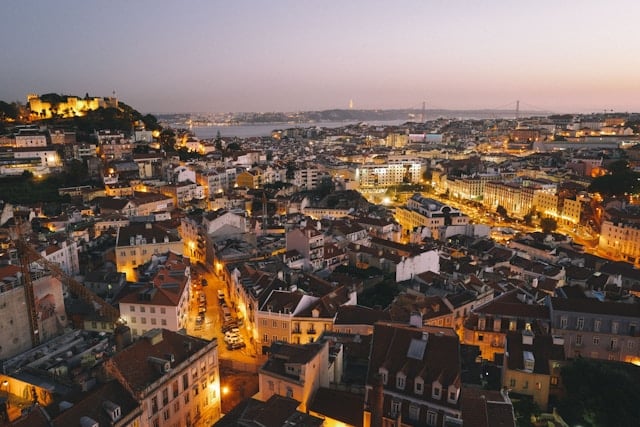

The first time I stepped off the plane at Lisbon Airport and caught a glimpse of those terracotta rooftops cascading down to the Tagus River, I knew I was in trouble. The good kind. Working in finance for BazTel brought me here initially, but Lisbon quickly became one of those cities that gets under your skin and refuses to leave.
If you’re visiting Lisbon, you’re in for a treat. This guide highlights the best activities and attractions for travelers, from transportation options to sightseeing and family-friendly spots. Lisbon blends two UNESCO World Heritage sites with vibrant street art, centuries-old Fado bars with cutting-edge food halls, and some of the best egg tarts on the planet. The best part? You don’t need to break the bank to enjoy any of it.
After multiple visits — exploring everything from the winding lanes of Alfama to the westernmost point of continental Europe — here’s everything I’d want a friend to know before they go.
Why Lisbon Feels Like San Francisco’s European Cousin
Before diving into specifics, let me address something that struck me immediately: Lisbon is basically San Francisco with better pastries. The hilly streets will destroy your calves. The 25 de Abril Bridge is, visually, the twin of San Francisco’s iconic Golden Gate Bridge. Historic trams grind up steep inclines. And that coastal light — the way it bounces off the Tagus and illuminates the tiled buildings — it has the same quality you get in bay cities.
Except here, sourdough gets replaced by pastéis de nata. No complaints.
How Many Days Do You Need?
Three to four days minimum for Lisbon proper. Add one or two more for day trips.
With three days, you can hit the major landmarks, explore different neighborhoods, squeeze in a Sintra day trip, and still have time for rooftop bars and food markets. Two days? You’ll get a taste, nothing more. A week is the sweet spot — leisurely pace, hidden gems, maybe even a sailing tour on the Tagus.
For popular attractions and day trips, plan ahead by making reservations or arriving early—this helps you avoid long lines and ensures a better experience.
Getting Around Lisbon
Lisbon’s public transport is excellent. The metro covers most major areas, and bus services offer another efficient way to get around the city. But the real experience? That’s the trams, the funiculars, and your own two feet. Metro stations are also key access points for purchasing public transport passes and navigating Lisbon’s attractions.
Metro, Trams, and Buses
Ride Tram 28. Yes, it’s touristy. Yes, locals actually use it too. This iconic yellow tram winds through Alfama, past São Jorge Castle, and up through Bairro Alto — it’s a moving highlight reel of the city. Go early to avoid the worst crowds.
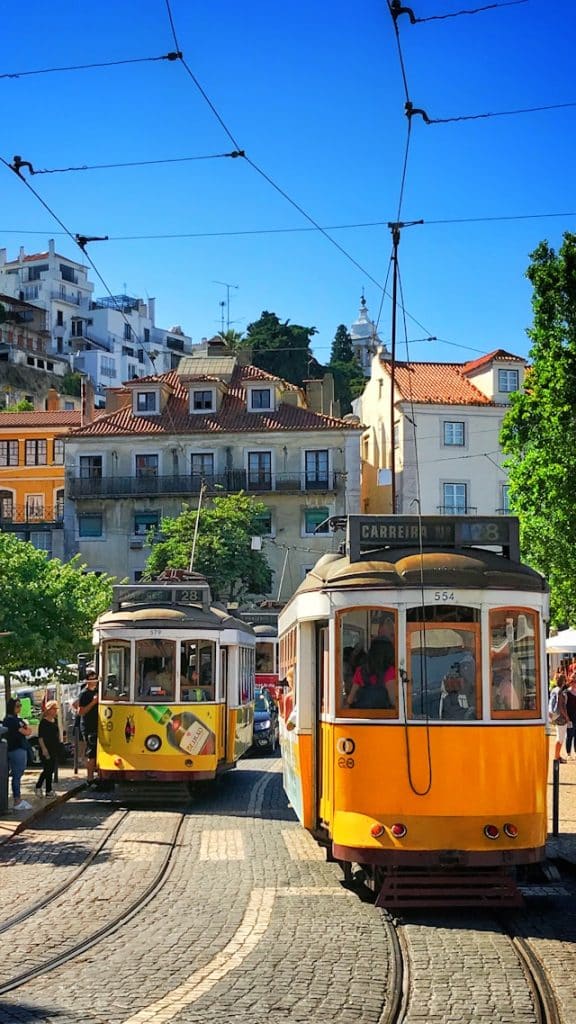
To reach Belém from the city center, skip the metro and take the 15E tram instead. It runs along the waterfront and drops you right at the monuments. Takes about half an hour and the river views are worth it alone.
The Santa Justa Lift connects the lower Baixa neighborhood with Carmo Square up top. It’s a Victorian-era iron elevator and it works brilliantly. The views from the platform are worth the small fee.
Don’t underestimate the funiculars either. They’re included in public transport passes and save your legs on the steepest hills. Google Maps will tell you a walk is ten minutes — on Lisbon cobblestones, going uphill, that’s fifteen minimum. Plan accordingly.
Lisboa Card: Worth It?
If you’re hitting multiple museums and using public transport heavily, yes. The Lisboa Card covers unlimited travel on metro, buses, and trams — including trips to Sintra and Cascais — plus free entry to 26 museums and monuments. The 72-hour version is particularly good value. For a single traveler doing three busy days, it pays for itself quickly.
What is Lisbon Best Known For? The Icons You Can’t Miss
Pastéis de Nata: Lisbon’s Most Famous Export
These flaky egg custard tarts are everywhere in the city, but quality varies wildly. The original recipe was developed by monks at Jerónimos Monastery back in 1837, and the nearby Pastéis de Belém bakery still uses that same closely guarded formula today.
The queue outside looks intimidating. It moves fast. Get them warm, dust with cinnamon, eat immediately. One box will fuel hours of walking. I absolutely loved the pastéis de nata here—it’s a must-try for anyone visiting Lisbon.
Can’t make it to Belém? Manteigaria in the city centre is exceptional — they make fresh batches every 20 minutes and you can watch the whole process through the glass. It’s half the fun.
Belém: Where the Age of Discovery Lives
Belém is essentially an open-air museum of Portugal’s golden era. This is where Vasco da Gama set sail for India. The monuments built to honor that history are staggering.
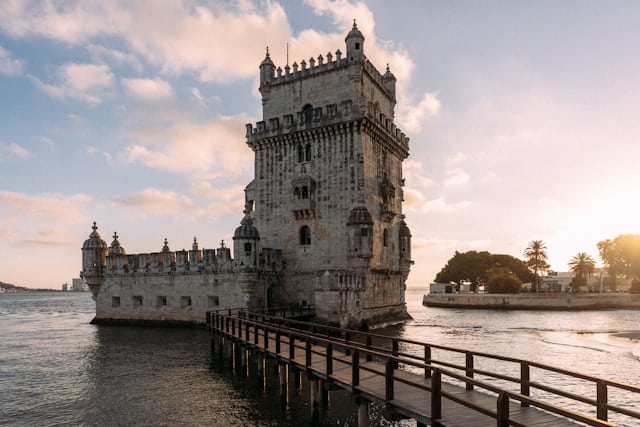
Torre de Belém was constructed in the early 1500s as a defense fortification at the mouth of the Tagus. It’s now a UNESCO World Heritage Site, and the Manueline architecture — intricate stone ropes, maritime motifs, Moorish balconies — is like nothing else in Europe. Climb to the top for the views, but go early. The spiral staircases get very crowded by mid-morning.
Jerónimos Monastery is one of the finest examples of Portuguese Late Gothic Manueline architecture anywhere in the world. It took a century to complete. Vasco da Gama is buried here. The cloisters alone justify the €10 entry — the carved stonework is obsessively detailed, and the quiet is a genuine relief after the busy waterfront. Free with the Lisboa Card.
Beyond the two headline monuments, walk to the Monument to the Discoveries (it looks exactly like a ship’s prow), visit one of the excellent museums, or just follow the riverside promenade. Belém has a grander, more spacious feel than central Lisbon. Give it a full morning or afternoon.
The Alfama District: Lisbon’s Soul
If Belém is Lisbon’s glory, Alfama is its soul. This is Lisbon’s oldest district, famous for its colourful buildings, narrow cobblestone streets, Fado bars, and picturesque views. Alfama is one of the few areas that survived the catastrophic 1755 earthquake. Steep staircases, laundry strung between buildings, and Fado drifting from open restaurant windows in the evening all add to its historic charm.
The best way to experience Alfama is to wander without a plan. A walking tour is worth doing on your first visit just to get oriented, but the magic happens when you deviate from the route — down an unmarked alley, into a tiny chapel covered floor-to-ceiling in azulejo tiles, to a local bar serving ginjinha in a chocolate cup.
Castelo de São Jorge crowns the highest hill. This Moorish castle offers 360-degree views over the city, the Tagus, and the 25 de Abril Bridge. Peacocks roam the grounds freely, which is either charming or alarming depending on your relationship with peacocks. Go early morning for the best light and smallest crowds. The €10 entry is worth it.
The miradouros (viewpoints) scattered throughout Alfama are some of the best in the city, and the neighborhood is renowned for its picturesque streets and stunning vistas. Miradouro de Santa Luzia is probably the most photographed — decorative tiles, bougainvillea, terracotta rooftops dropping to the river — and is located just steps from the iconic Lisbon Cathedral, a central landmark in Alfama.
Right next door, Portas do Sol has a café where you can linger with a coffee and watch the whole neighborhood below. For something less crowded, Miradouro da Graça is a peaceful spot for photography and genuinely stunning views.
Bairro Alto, Chiado, and Praça do Comércio
By day, Bairro Alto is quiet residential streets, street art on every second wall, and the smell of garlic from traditional restaurants. You might encounter a local artist creating quick, affordable artwork on the street—a memorable souvenir that captures the essence of Lisbon. By night, it transforms into Lisbon’s most famous nightlife district — bars spilling onto the streets, music everywhere, locals and tourists mixed together.
Chiado, just nearby, is known for its lively atmosphere and excellent food options. Dear Breakfast, a popular brunch spot in Chiado, offers a vibrant atmosphere and a menu full of appealing breakfast and brunch dishes, making it a favorite for both locals and visitors.
Praça do Comércio is enormous. This waterfront square was once the site of the Royal Palace before the 1755 earthquake destroyed it, and today it’s where the city opens up to the Tagus in grand style. The yellow arcades, the triumphal Arco da Rua Augusta, the outdoor cafes — it’s one of the largest squares in Europe and it deserves more than a quick photo. From here, Rua Augusta leads you up through the heart of the city to Rossio Square, past pastry shops and street performers the whole way.
Unique Experiences You Shouldn’t Miss
Feira da Ladra: Lisbon’s Ancient Flea Market
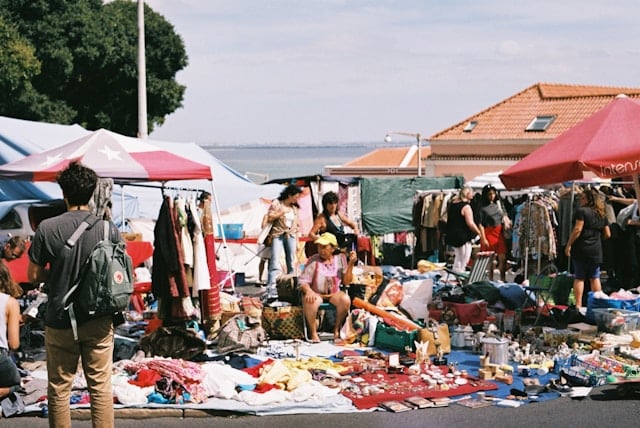
This is one of the oldest flea markets in the world — it dates back to the 12th century and still runs every Tuesday and Saturday in the Campo de Santa Clara. Old books, vintage tiles, clothing, trinkets, antiques that probably came off ships centuries ago. It’s chaotic and wonderful. Go on Saturday when it’s at full size.
Carmo Convent: Beautiful Ruin
Most people walk past the entrance without realising what’s inside. The Carmo Convent was destroyed in the 1755 earthquake and never fully rebuilt. The Gothic arches now stand open to the sky, and the roofless nave has been turned into an archaeological museum. It’s atmospheric in a way that a pristine building simply couldn’t be. One of the more underrated spots in the city.
Museu Nacional do Azulejo: The Tile Museum
Lisbon is covered in azulejos — those distinctive hand-painted ceramic tiles that cover churches, train stations, and house facades across the city. The Museu Nacional do Azulejo traces the full history of this art form from the 15th century to today. It’s housed in a former convent and the building itself is stunning. If you have any interest at all in what makes Lisbon look the way it does, spend a couple of hours here.
Miradouro de São Pedro de Alcântara
Most viewpoint lists skip this one. It shouldn’t be skipped. This garden terrace in Bairro Alto looks directly across to the castle and offers one of the best panoramic views in the city, and it’s easy to reach without a steep climb. Ideal for sunset.
LX Factory: Creative Hub Under the Bridge
LX Factory sits under the 25 de Abril Bridge in a former industrial complex and is now considered a trendy neighborhood in Lisbon. It features a vibrant mix of shops, restaurants, and creative spaces. You’ll find independent bookshops, a record shop as part of multi-functional spaces that also include a library, art gallery, and coffee shop.
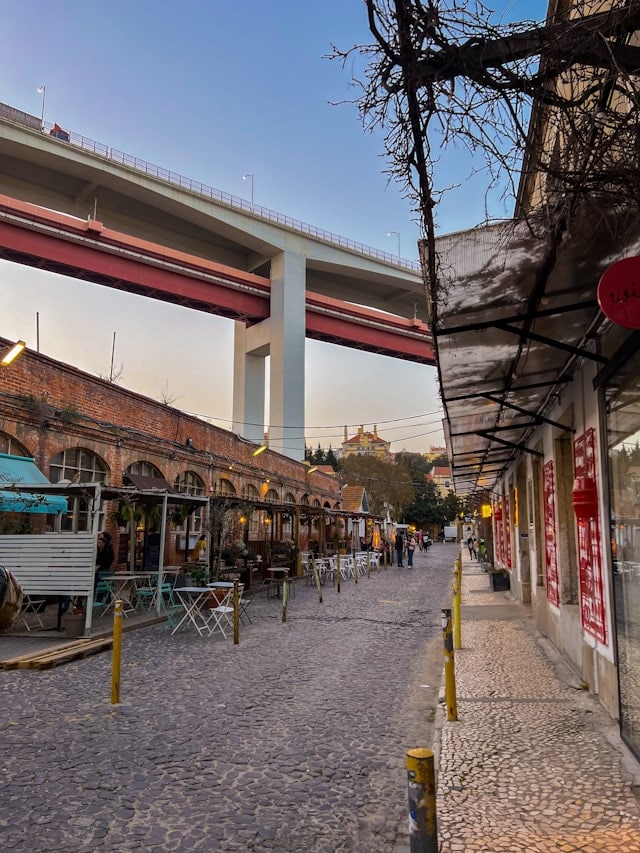
There area also has design studios, galleries, and creative businesses that feel genuinely Lisbon rather than tourist-trap Lisbon. The Sunday outdoor market brings local artists and makers — good for original souvenirs. The restaurants here are excellent. Go on a Sunday if you can.
The Best Food Experiences in Lisbon
Lisbon’s food scene goes well beyond pastéis de nata, though those remain a highlight. Many classic dishes have a Portuguese version, such as prego (steak sandwich) or seafood rice, each prepared with unique regional touches that showcase the country’s culinary traditions.
Time Out Market Lisboa
For first-time visitors who want to sample widely without committing to one restaurant, Time Out Market in Cais do Sodré is a smart choice. Forty restaurants and bars under one massive warehouse roof — fresh seafood, traditional petiscos (Portuguese tapas), modern Portuguese cooking. It’s lively, it’s loud, it’s fun.
Traditional Eats
For a more local experience, Mercado da Ribeira before noon is the move — fresh fish, produce, vendors selling cheese and cured meats before the tourist wave arrives.
Bacalhau (salt cod) is Portugal’s national dish and they really do prepare it hundreds of different ways. Order it at a traditional restaurant in Alfama. Don’t skip piri-piri chicken either — properly made, it’s one of the best things you’ll eat in Portugal. Try ginjinha, the traditional sour cherry liqueur, served in a chocolate cup at one of the hole-in-the-wall spots near Rossio Square.

Rooftop Views While You Eat
Park Bar in Bairro Alto (the entrance is through a car park — keep going, it’s there) serves cocktails with sunset views over the whole city. Topo at Martim Moniz and the rooftop at Hotel Altis Avenida are both good for something more upscale.
Staying Connected While Exploring
Reliable mobile data makes a genuine difference when you’re navigating Alfama’s unlabeled streets, checking museum opening hours on the fly, or trying to figure out which 434 bus stop you need in Sintra, so it’s worth understanding how eSIMs work for international travel.
I use BazTel’s eSIM plans for Portugal whenever I travel. It activates the moment you land at Lisbon Airport — no hunting for a SIM card shop, no roaming bill waiting at home. Plans start from $2 per GB for Portugal and work seamlessly whether you’re in central Lisbon or out at Cabo da Roca, and if you’re city-hopping beyond Portugal it’s worth looking at a broader eSIM for Europe. Manage everything through the app. Simple — especially if you’re comparing different options and want to dig into the best eSIM plans for frequent travelers.
Outdoor Activities in Lisbon
If you’re the kind of traveler who likes to stay active, Lisbon, Portugal, is your playground. The city’s famously hilly terrain means every stroll feels like a mini workout, but the rewards are absolutely stunning.
Start your adventure with a walking tour through the Alfama district, where every twist and turn reveals colorful buildings, hidden courtyards, and the scent of garlic and olive oil drifting from tiny kitchens. Don’t miss the Miradouro de Santa Luzia—this viewpoint is a local favorite for its sweeping vistas over Alfama’s rooftops and the shimmering Tagus River below.
For those who want to combine sightseeing with fresh air, follow the riverside promenade from the city center out to Belém. Along the way, you’ll pass iconic landmarks like the Belém Tower and Jerónimos Monastery, both UNESCO World Heritage Sites that are as impressive up close as they are in photos. Whether you’re hiking up to a miradouro, cycling along the waterfront, or simply wandering the old city on foot, Lisbon’s outdoor scene is as vibrant as its famous tiles.
Nature and Wildlife: Green Escapes in and Around the City
Lisbon may be a bustling capital, but it’s also a city that knows how to slow down and breathe. When you need a break from the urban energy, you’re never far from a green escape. The Jardim Botânico and Parque Eduardo VII are perfect for a short walk among exotic plants, shaded lawns, and panoramic city views—ideal spots to recharge between sightseeing stops.
If you’re craving a bigger dose of nature, the Sintra-Cascais Natural Park is just a quick trip away, and if you’re touring multiple countries it can be easier to sort connectivity in one go with a Europe-wide BazTel eSIM data plan. Here, dramatic cliffs, pine forests, and wild beaches offer a completely different side of Lisbon, with plenty of opportunities to spot local wildlife.
For something truly memorable, book a sailing tour on the Tagus River. Gliding past Lisbon’s skyline, you’ll catch glimpses of dolphins and seabirds, all while enjoying a fresh perspective on the city’s absolutely gorgeous waterfront. Whether you’re a nature lover or just need a breather, Lisbon’s green spaces and wild edges are never far away.
Sports and Activities: From Surfing to Football
Lisbon is a city that lives and breathes sport, and you’ll feel it the moment you arrive — and if you’re bouncing around other cities in the region, it helps to sort your connectivity with one of the best eSIM plans for the UK and Europe. Surfing is practically a rite of passage here—just a short train ride from central Lisbon, beaches like Carcavelos and Santo Amaro offer consistent waves and a laid-back vibe. Whether you’re a seasoned surfer or a total beginner, you’ll find lessons, board rentals, and a welcoming community ready to cheer you on.
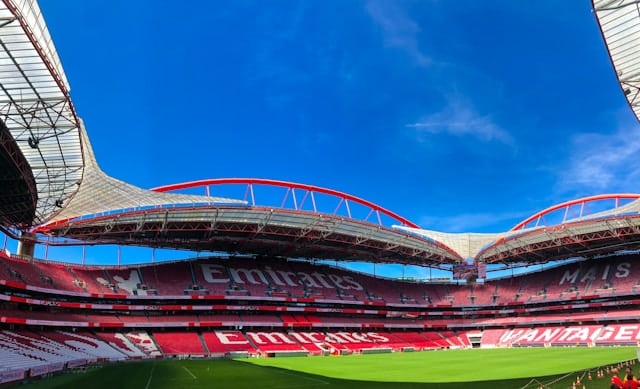
Football is another cornerstone of Portuguese culture, and catching a match at Estádio da Luz is an experience you won’t forget. The energy is infectious, and even if you’re not a huge fan, you’ll be swept up in the excitement.
For a more relaxed way to take in the city, hop on a cable car ride in Parque das Nações. The views from above are absolutely stunning, giving you a bird’s-eye look at Lisbon’s modern side and the endless blue of the Tagus River. Whether you’re chasing waves, goals, or just a great view, Lisbon’s sports scene has so much fun to offer.
Events and Festivals: Lisbon’s Year-Round Celebrations
If there’s one thing Lisbon knows how to do, it’s celebrate — and if your trip includes several countries for concerts or festivals, choosing the best eSIM for Europe will save you a lot of hassle. The city’s calendar is packed with events and festivals that showcase the best of Portuguese culture, music, and—of course—amazing food. June is when Lisbon truly comes alive, thanks to the Festa de Santo António. Streets fill with music, laughter, and the irresistible aroma of grilled sardines, while locals and visitors alike dance late into the night.
Culture lovers should check out the Lisbon Festival, which brings together music, dance, and theater performances from local and international artists. And if you’re a foodie, the Lisbon Food Festival is a must. Here, you can sample everything from bacalhau to the city’s most famous sweet treat: pastéis de nata. Whether you’re sipping port wine in a lively square or discovering new flavors at a food market, Lisbon’s festivals are the perfect way to dive into the city’s vibrant spirit.
Day Trips from Lisbon
Sintra: Go Early, Book Ahead
Sintra is 40 minutes from Rossio Station by train. This matters: go on the early train. The town is a UNESCO World Heritage Site and incredibly popular — Pena Palace, that wildly colorful Romanticist castle on the hilltop, gets genuinely crowded by mid-morning. Book tickets online in advance.
Quinta da Regaleira is my personal favorite in Sintra — mysterious gardens, underground tunnels, the famous Initiation Well spiraling down into the earth. Give it two hours minimum. The town itself has good craft shops and excellent restaurants if you want lunch before the return train.
Once in Sintra, the 434 bus loops between the train station, the historic center, and the major palaces. A day pass costs €5. Prior planning is key — there’s a lot to see and distances between sites add up.
Cascais, Cabo da Roca, and Óbidos
Cascais is the easiest beach town to reach from Lisbon — about 30 minutes by train, popular with families and anyone wanting sand and decent seafood. While you’re out that way, the bus to Cabo da Roca (the westernmost point of mainland Europe) takes another 30 minutes. Dramatic cliffs, crashing Atlantic waves. Worth the detour.
Óbidos is a different kind of day trip entirely — a beautiful hilltop walled medieval city accessible by bus, and exactly the kind of stop where a flexible global eSIM keeps you connected without thinking about borders. Far fewer visitors than Sintra, completely different character.
The white-washed houses, the narrow streets, the castle walls you can walk along make it feel worlds away from places like Luxembourg, even though with an eSIM for Luxembourg it’s just another easy hop on a wider European itinerary. If you have a fourth or fifth day, Óbidos is one of the better half-day trips from Lisbon — especially if you’re pairing Portugal with nearby countries like Belgium, where a dedicated eSIM for Belgium can make onward travel smoother.
Hidden Gems and Off-the-Beaten-Path Lisbon
Pink Street
Rua Nova do Carvalho — the entire road is literally painted pink. Cais do Sodré’s former red-light district has transformed into one of the liveliest nightlife streets in the city. Bars, music venues, a mixed crowd of locals and visitors. It’s electric. Don’t book a hotel too close unless you’re a heavy sleeper.
The Lisbon Oceanarium
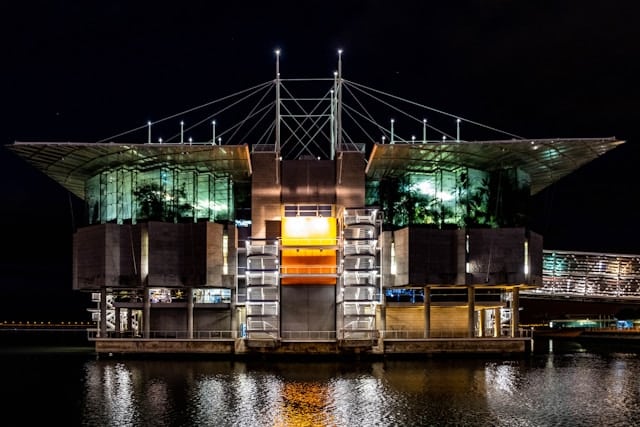
One of the largest aquariums in the world, located in the modern Parque das Nações district built for Expo ’98. Over 8,000 marine creatures, multiple distinct marine habitats, and a central tank you can view from multiple levels that creates the illusion of standing inside one vast ocean. Budget two hours, combine with the waterfront cable car. Great with kids, great without.
Lesser-Known Viewpoints
Beyond Santa Luzia and Portas do Sol: Graça Miradouro near São Vicente de Fora church gives you a panorama of the whole city with far fewer tourists. Senhora do Monte is the highest viewpoint in Lisbon — the view north is remarkable. Jardim do Torel is a quiet garden terrace with a small swimming pool and city views that most visitors never find.
Practical Tips for First-Time Visitors
When to visit: Spring (April–May) and autumn (September–October) are ideal. Good temperatures, smaller crowds than summer. Summer is hot and busy. Winter is mild but can be rainy — though far cheaper.
What to pack: Comfortable walking shoes are non-negotiable. Cobblestones and steep hills will destroy anything flimsy. Layers beat heavy jackets since the temperature swings during the day. Refillable water bottle for all the walking.
Budget: Lisbon remains one of the more affordable European capitals. A full dinner with wine runs €20–30 per person at a good restaurant. A pastel de nata costs about €1.50. A metro ticket is €1.50, or pick up a rechargeable Viva Viagem card for €0.50 and load it with credit. Many museums offer free entry on Sunday mornings — worth timing around if you’re budget-conscious.
Language: Tourism staff speak excellent English throughout the city. That said, “obrigado” (thank you) and “por favor” (please) go a long way with locals and are genuinely appreciated.
Safety and Security in Lisbon
Lisbon is one of Europe’s safest capitals, but a little street smarts go a long way. The city center and popular nightlife spots like Pink Street are generally welcoming and lively, but as with any major city, it pays to keep an eye on your belongings—especially in crowded areas or on public transport. Pickpocketing can happen, so keep your valuables secure and be mindful in busy tourist attractions.
If you’re exploring after dark, stick to well-lit streets and consider booking a private tour for peace of mind and insider knowledge. Local guides not only share fascinating stories about Lisbon’s history and culture, but also know the safest routes and hidden gems. With a bit of common sense and the right precautions, you’ll find Lisbon to be a fun place where you can relax and enjoy everything this absolutely stunning city has to offer.
A Perfect 3-Day Lisbon Itinerary
Day 1: Central Lisbon and Alfama Start with a walking tour through Baixa and Rossio to get oriented. Lunch at Time Out Market or a traditional Alfama restaurant. Afternoon exploring the Alfama district, Castelo de São Jorge, and the miradouros. Sunset from Graça viewpoint. Dinner in Alfama with live Fado music.
Day 2: Belém and Western Lisbon Early morning at Jerónimos Monastery before the crowds arrive. Late breakfast at Pastéis de Belém — the queue is shorter before 10am. Afternoon at Belém Tower, the Monument to the Discoveries, and a long walk along the riverside promenade. Take the 15E tram back and end the evening at LX Factory.
Day 3: Sintra Day Trip First train to Sintra. Pena Palace and Quinta da Regaleira. Lunch in town. Optional stop at Cabo da Roca on the return. Dinner in Bairro Alto.
If You Have More Time: Day 4 — Lisbon Oceanarium, Carmo Convent, the Museu Nacional do Azulejo, or a food tour. Day 5 — Cascais for beach time, or Óbidos for something completely different.
What You Absolutely Should Not Miss
Short on time? These are the non-negotiables:
- Eating pastéis de nata — fresh from Pastéis de Belém or Manteigaria
- Riding Tram 28 — touristy and genuinely useful
- At least one miradouro — views define this city
- Wandering Alfama on foot — no plan, no map
- A day trip to Sintra — Pena Palace alone is worth the train ride
- Traditional Portuguese food — bacalhau, piri-piri chicken, petiscos, ginjinha
- Belém Tower or Jerónimos Monastery — one UNESCO site minimum
- The Tagus River from multiple angles — it’s the city’s soul
Final Thoughts: Why Lisbon Keeps Calling Me Back
There’s something about Lisbon that sticks with you. Maybe it’s the light at golden hour on those tiled facades. Or perhaps it’s the Portuguese people, who seem genuinely pleased you’re there. Regardless, it’s the pastéis de nata — okay, it’s partly the pastéis de nata.
This guide barely scratches the surface. The tile work alone could occupy you for days. The neighborhoods each have their own distinct character. The nearby beaches, the Portuguese history, the food — there’s always more. That’s the beauty of it. There’s always a reason to return.
Now go book the flight. Those pastéis de nata are waiting.
Key Takeaways
- Lisbon offers a mix of historic sights and modern attractions, making it a vibrant destination for travelers.
- Key activities include visiting iconic spots like the Alfama district, Belém, and riding the famous Tram 28.
- Food experiences are a must, especially tasting pastéis de nata and traditional dishes like bacalhau.
- Plan at least 3-4 days for exploring Lisbon, plus additional time for day trips to nearby spots like Sintra.
- Stay connected with reliable mobile data such as using BazTel, and remember that Lisbon is one of Europe’s safest capitals.
FAQs
Pastéis de nata at Pastéis de Belém, the Alfama district on foot, Belém Tower or Jerónimos Monastery, a day trip to Sintra, at least one miradouro viewpoint, Tram 28, and traditional Portuguese seafood. If you have time, add the Feira da Ladra flea market and Carmo Convent.
At least 3–4 days in Lisbon itself, plus 1–2 days for day trips. Three days covers the major attractions without rushing. A week lets you breathe.
Pastéis de nata, its central role in the Age of Discovery (the Belém monuments), azulejo tile work, seven hilly viewpoints, Fado music, historic trams, and being one of Europe’s most affordable and sunniest capitals.
Explore Alfama and Castelo de São Jorge, visit Belém’s UNESCO sites, eat pastéis de nata, ride Tram 28, catch a miradouro at sunset, take the train to Sintra, and try bacalhau and ginjinha at a traditional restaurant.

Blog Author
Peter
Peter started BazTel.co to make mobile internet easier for travellers. He noticed how tough it was to find good network options while visiting new countries. That’s when he built BazTel — a place where anyone can buy eSIMs online without confusion or long steps. He believes tech should be simple and useful, not complicated. When he’s free, he likes to travel, test BazTel himself, and keep improving it based on real user problems.