
 Botswana
 Zambia
 Congo
Congo Colombia
 China mainland
 Chile
Chile Chad
Chad Central African Republic
 Canada
 Cameroon
 Cambodia
 Burkina Faso
 Bulgaria
 Brunei Darussalam
 Brazil
 Aland Islands
 Bosnia and Herzegovina
 Bolivia
 Belgium
 Belarus
 Bangladesh
 Bahrain
 Azerbaijan
 Austria
 Australia
 Armenia
 Argentina
 Algeria

I’ll be honest. South Korea wasn’t even in my top five before I went. I’d been chasing temples in Kyoto and night markets in Taipei, and Seoul felt like the place everyone visited on a layover. Then I spent twelve days there last spring, and I came home rearranging my mental map of Asia.
This guide covers the things to do in South Korea I actually loved, the ones I’d skip, and the small stuff that made the trip work. If you’re planning your first visit, I want you to land already knowing where to eat, what to book ahead, and how to stay connected without the usual airport SIM card fuss.
Why South Korea Hits Different
South Korea packs a strange contrast. You walk out of a 14th-century palace gate and straight into a glass tower with a Studio Ghibli inspired cafe on the third floor. Korean culture moves fast, but it also stays anchored. That mix is the real reason to go.
The country has four distinct seasons. Spring brings cherry blossoms in early April. Fall foliage peaks in late October. Winter is brutally cold. Summer is sticky. I went in mid-April and it was perfect, though I’d happily go back in autumn for the colours.
Getting Online the Moment You Land
Quick practical note before the fun stuff. Landing at Incheon Airport jet-lagged and hunting for a SIM kiosk is no one’s idea of fun. I used a BazTel eSIM for South Korea and it changed how I travel.
Here’s what’s new: BazTel just upgraded its install flow. After you buy your plan, you log into the dashboard, tap the install button (one for iPhone, one for Android), and the eSIM installs straight onto your phone, which really highlights the key benefits of eSIM technology. No QR code or need for app download. No squinting at a screen trying to get a camera to focus, which lines up perfectly with BazTel’s explanation of eSIM advantages. If you want to compare options, a guide to the top eSIMs for South Korea travel lays out how BazTel stacks up against other providers. I activated mine on the Airport Railroad Express into central Seoul and had Google Maps running before I hit Seoul Station. Plans start from $1, and BazTel covers 160+ countries, so it’s the same setup whether your next trip is Japan or Jordan thanks to their global eSIM plans.
Visit Seoul: Where to Spend Your First Days
Seoul South Korea is enormous. Over 230 square miles and about a dozen neighborhoods worth knowing. The trick is grouping by area instead of zigzagging. I broke my time into themed days: palaces and hanok one day, shopping and food another, parks and views on a third.
Gyeongbokgung Palace and the Royal Palace Circuit
Start at Gyeongbokgung Palace. Built in 1395, it’s the largest of Seoul’s five royal palaces and was the primary royal residence of the Joseon Dynasty. Get there for the 10am changing of the guard. It’s touristy. It’s also genuinely impressive.
Pro tip that paid off for me: rent a hanbok (traditional Korean dress) from one of the shops near the palace grounds. Wearing one grants you free entry not just to Gyeongbokgung but to all the major royal palaces in Seoul. I felt slightly ridiculous, but half the visitors do it, the rental is cheap, and the photos are worth it.
Right next door sits Changdeokgung Palace, a UNESCO World Heritage site built in 1405. It served as the primary royal residence from the 1600s to 1800s after Gyeongbokgung was destroyed during the Japanese occupation. Book the Secret Garden guided tour ahead of time. Spots sell out, and it’s the only way in. Deoksugung Palace, the secondary palace, is a short walk away and blends Korean and Western architecture in a way no other royal palace does.
Bukchon Hanok Village: Go Early
Bukchon Hanok Village sits between the two main palaces and contains over 900 traditional Korean houses dating to the Joseon Dynasty. These hanok feature wooden frames, ondol underfloor heating, and small courtyards designed to harmonize with nature.
Honest take: Bukchon Hanok Village gets mobbed by 11am. The official visiting hours are 10am to 5pm to respect the residents who actually live there, but the alleys open early in practice. Go at 8am. The light is better, the alleys are quiet, and you’ll actually hear the crunch of gravel instead of selfie-stick bumps. Keep your voice down. If you want the experience without the crowds, Namsangol Hanok Village offers similar traditional architecture in a quieter central area.
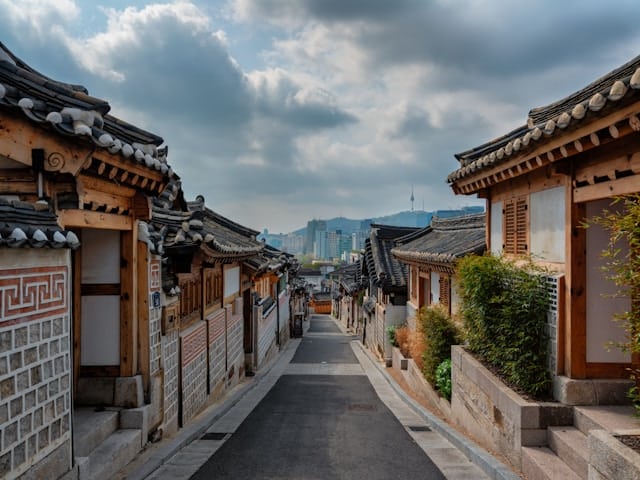
Want to sleep in one? Several guest houses in Bukchon let you stay overnight in a real hanok, and Jeonju further south is famous for its much larger hanok village if you have an extra day. I did one night in Bukchon and woke up sore from the floor mattress but glad I tried it. There’s something about waking up to the smell of pine wood that no hotel replicates.
Namsan Park, Seoul Tower, and the View
Namsan Park sits in the middle of central Seoul, and Seoul Tower (officially N Seoul Tower) crowns it. You can hike up in about 40 minutes or take the cable car. I walked up at sunset, took the cable car down, and that’s the order I’d recommend. The view stretches across the Han River and the whole bustling city. On a clear evening, it’s the single best free thing to do in Seoul (the park is free entry; the tower observatory costs extra).
Korean Street Food and Where to Actually Eat
The food is half the reason to come. I ate my way through three food markets and a dozen street food stalls, and I have opinions.
Gwangjang Market
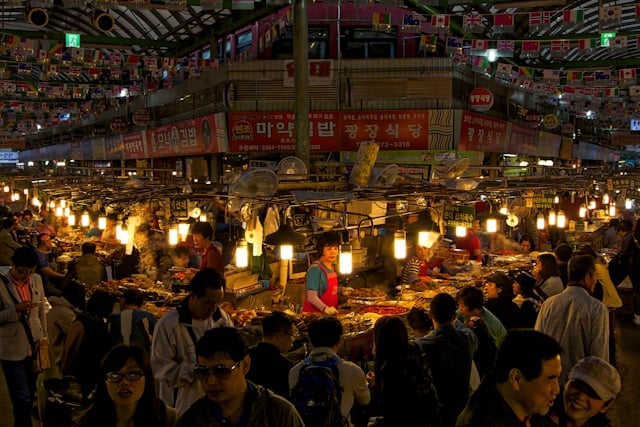
Gwangjang Market is Seoul’s oldest market and home to around 5,000 vendors. It’s the one Netflix made famous. Get the mung bean pancake (bindaetteok) and the mandu dumplings. Skip the live octopus unless you really want the story. Tteokbokki, the chewy stir-fried rice cakes in red sauce, are the gateway dish for most first-timers.
Namdaemun and Beyond
Namdaemun Market is bigger, older, and more chaotic. Try the hotteok (sweet pancakes filled with brown sugar and seeds) from any stall with a queue. Queue length is the only review system that matters in Korean food markets.
Korean barbecue deserves its own evening. Find a place where the staff cook for you. I went to a small spot in the Hongik University area and paid maybe $25 for more meat than I could finish. Korean fried chicken at a separate sitting, please. Don’t combine. Your stomach will thank you.
For coffee, Seoul’s coffee shop scene is unreal. Seongsu-dong is the “Brooklyn of Seoul” and where I had the best flat white of my trip. Insadong is the spot for traditional Korean tea ceremonies between gallery visits.
One last thing on Korean cuisine: don’t leave without trying bingsu, the mountain of shaved ice topped with sweet red beans, fruit, and condensed milk. It’s the dessert that broke me in the best way. And kimchi is at every meal — the napa cabbage version is the classic, but ask about the white kimchi and the radish kimchi too. Each restaurant makes their own, and the differences are real.
Shopping Neighborhoods Worth Your Time
I’m not a shopper. I went anyway, because Seoul’s shopping districts are as much about the atmosphere as the bags you walk out with. Three are worth knowing about.
Myeongdong for Cosmetics and Chaos
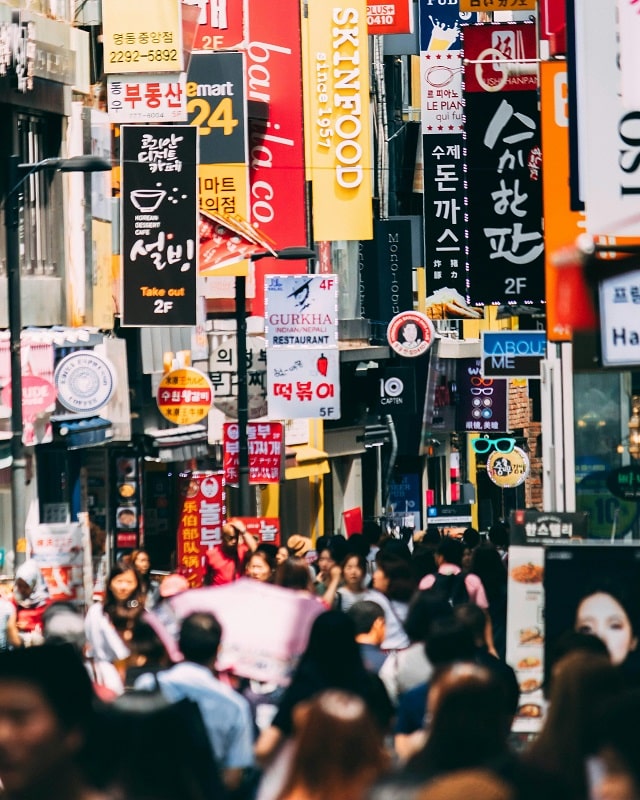
Myeongdong is one of Seoul’s busiest shopping districts and the place every K-beauty obsessive eventually ends up. The main walking street is wall-to-wall Korean cosmetics shops, fashion stores, and street food carts selling everything from grilled cheese lobster tails to tornado potatoes. Olive Young is the big chain to try if you want skincare. Go in the evening when the neon lights kick in and the stalls fire up.
Seongsu-dong: The Brooklyn of Seoul
Seongsu-dong is often called the “Brooklyn of Seoul,” and the comparison actually holds up. Old shoe-factory warehouses have been converted into concept stores, independent designer boutiques, third-wave coffee shops, and small art galleries. This is where I spent my favourite afternoon in the city, drifting between a leather workshop and a dessert cafe with no real plan.
Itaewon for an International Vibe
Itaewon is the trendy expat neighborhood and a different flavour of retail therapy: high-end boutiques, international brands, and a fashion-conscious crowd. It’s also the easiest place to find food from outside Korea if you’re craving something familiar after a few days of kimchi. Worth a half-day, not a full one.
Korean Culture: Tea, Temples, and a Spa Story
Eating and shopping cover most trips. The cultural side is where I felt I actually learned something about the country.
Tea Ceremonies in Insadong
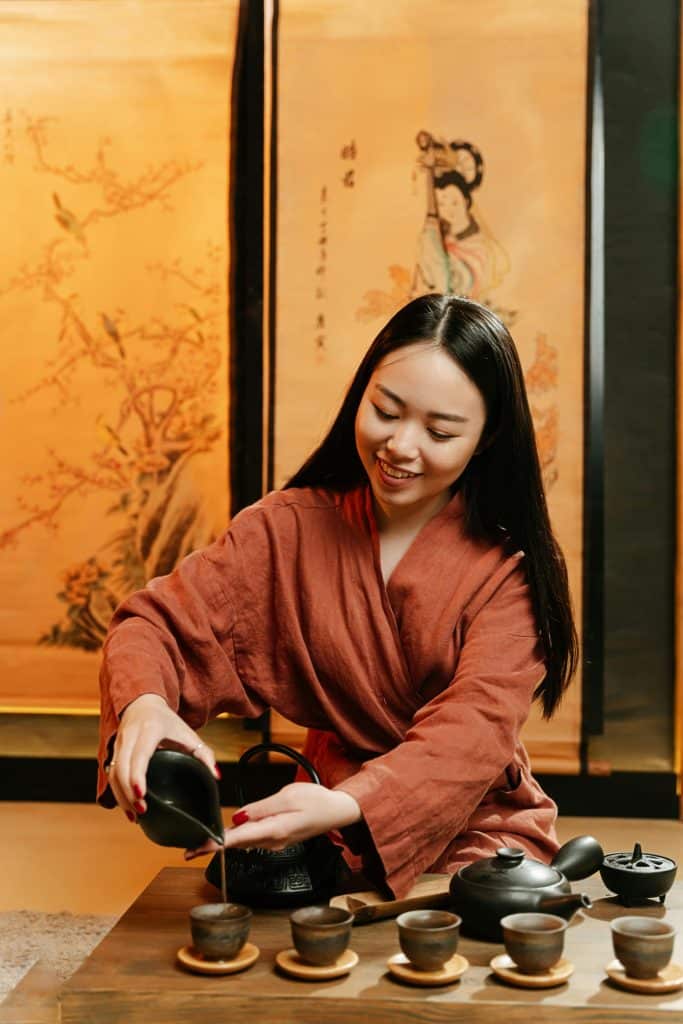
Insadong is the traditional culture district of central Seoul, packed with tea houses, antique galleries, and shops selling Korean paper, calligraphy brushes, and ceramics. I sat through a Korean tea ceremony at a small tea house tucked down a side alley and it was one of the calmest hours of my trip. The host explained each pour, the temperature, the order. If you only do one cultural activity in Seoul, make it this.
Buddhist Temples and the Temple Stay Option
If you’re curious about Korean Buddhism, the Jogyesa Temple in central Seoul is free entry and a working temple right in the city. For something deeper, several Buddhist temples around the country run overnight temple stay programs where you join the monks for meditation, a tea session, and a 4am wake-up. I didn’t do one this trip. It’s on the list.
Jjimjilbang: The Korean Spa Experience
Jjimjilbangs are the famous Korean bathhouses, and yes, you should try one. They combine hot pools, steam rooms, salt saunas, and a communal sleeping area where people genuinely doze off in matching pyjamas. The catch: the bathing areas are gender-separated and fully nude. If that’s not for you, the common areas are clothed. I went to Dragon Hill Spa near Yongsan and stayed about three hours. Came out feeling like a different person.
Beyond Seoul: The Trips Worth Taking
Three days in Seoul is the bare minimum. Five is better. But please don’t stop there.
Busan and Gamcheon Culture Village
Take the KTX train from Seoul to Busan. It’s 2.5 hours and runs constantly. Busan sits on the southern coast and feels like a totally different country. Beaches, fresh seafood, and Gamcheon Culture Village, a hillside neighborhood of brightly painted houses and street art often called the “Santorini of Korea.” Touristy, sure, but the colours are real and the views down the alleys are worth the metro ride out.
Gyeongju: The Open-Air Museum
Gyeongju was the Silla dynasty capital for nearly a thousand years, and walking around feels like an open-air history lesson. Donggung Palace and Wolji Pond at night, with the reflections in the water, is the photo I show people when they ask why I went to Korea. Bulguksa Temple, one of the most important Buddhist temples in the country, is a short bus ride away.
Jeju Island
Jeju Island is the country’s volcanic getaway off the southern coast and the most popular domestic holiday destination in South Korea. Honeymoon central for Koreans. The island formed from volcanic eruptions and is dotted with lava tubes, black-sand beaches, and Hallasan, the tallest mountain in the country. I didn’t have time on this trip, but it’s the top of my list for next time. Cheap flights leave from Gimpo daily and the route is reportedly the busiest air corridor in the world.
The DMZ, JSA, and a Reminder
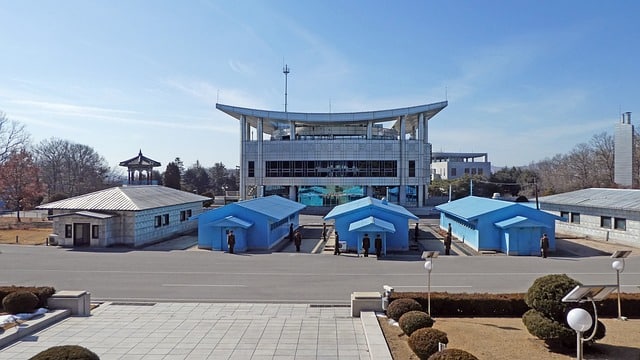
A day trip to the Demilitarized Zone (DMZ) on the border with North Korea is sobering. The Korean War technically never ended in 1953 — only an armistice was signed — and the DMZ is the strip of land separating the two countries ever since. Most organized tours include the Joint Security Area (JSA) at Panmunjom, where you can stand inches from the demarcation line, and a walk through the 3rd Tunnel, an infiltration tunnel discovered in 1978 and dug by North Korea toward Seoul. Standing at the Freedom Bridge with the war memorial nearby is a real moment. Book through a registered tour operator. You can’t go independently, and JSA access in particular is sometimes suspended without notice depending on the political climate — check before you book.
Practical South Korea Travel Tips
A few things I wish I’d known before visiting South Korea.
Get a T money card at any convenience store the moment you land. 7-Eleven, GS25, CU, or Lotte Mart all sell them. The T money card works on every subway, bus, and even in convenience stores. It’s the single most useful thing in your pocket after your phone.
Download Naver Maps, not Google Maps, for walking directions. Google Maps is restricted in South Korea and only really works for transit. Papago beats Google Translate for Korean. Both are incredibly helpful.
Cash still matters at street food stalls and small restaurants. Carry some won.
Convenience stores are your friend. Lotte Mart, GS25, and CU sell everything from hot meals to phone chargers. I had more than one dinner from a convenience store and zero regrets.
Common Questions About Visiting South Korea
How many days do I need? Five for Seoul, seven to ten for the country. Less and you’ll feel rushed.
Is South Korea expensive? Cheaper than Japan, more than Vietnam. A solid Korean barbecue dinner runs $20-30. Subway rides are about $1.
Do I need cash? Some, yes. Cards are accepted almost everywhere, but food markets and street food stalls often need cash.
When are cherry blossoms? Early to mid-April in Seoul. Earlier in the south.
Is the language barrier hard? Less than you’d think in Seoul. Harder in smaller cities. Papago handles it.
Can I drink the tap water? Yes, technically. Most locals drink filtered or bottled. I drank tap with no issues.
Is one trip enough? No. I already booked my second.
Final Thoughts
South Korea surprised me. The royal palaces, the food markets, the contrast between Bukchon Hanok Village and the neon of Hongik University, the way the country balances ancient and brand-new. It’s a destination that rewards curiosity.
Three things if you remember nothing else: book Changdeokgung’s Secret Garden before you fly, install your eSIM before you land so you can hit the ground running, and eat at Gwangjang Market on your first night. The rest of your South Korea tours will fall into place from there.
It was an amazing trip. Yours will be too.
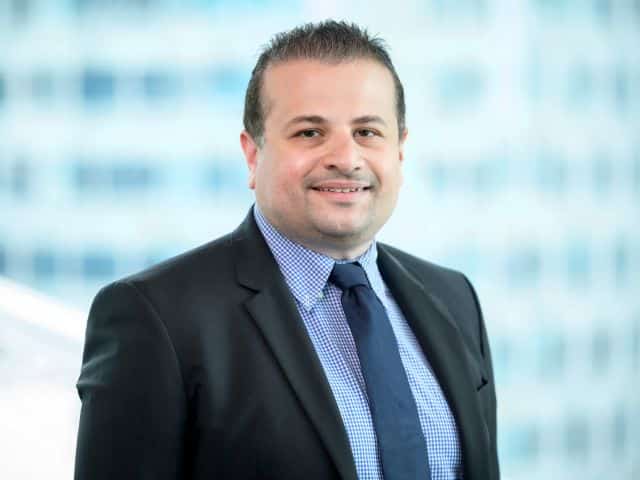
Blog Author
Peter
I'm Peter, the founder of BazTel. I built this company at the intersection of two things I know well: finance and travel. Before starting BazTel, I worked in investment analytics at State Street, one of the world's largest custodian banks, and later at TCorp, the New South Wales Government's investment…


